
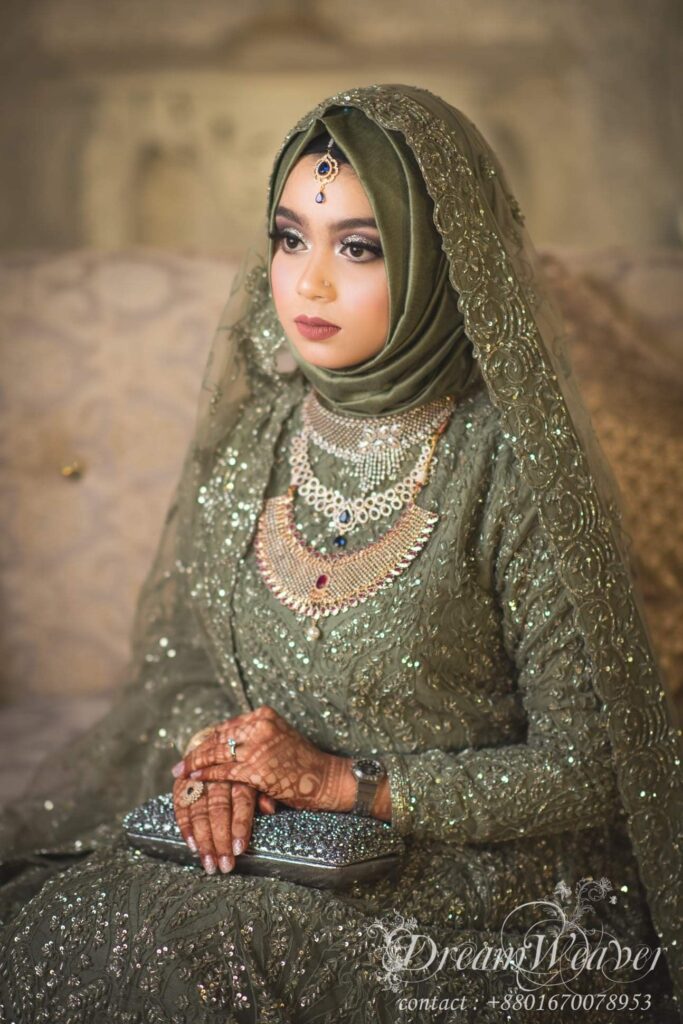
Islamic Wedding Clothes Part 33: Ultimate Guide to Modest Bridal and Groom Attire
Table of Contents
- Historical Roots: The Evolution of Islamic Wedding Attire
- Regional Traditions: South Asian, Arab, African, and Southeast Asian Styles
- Fabrics, Colors, and Symbolism in Bridal Attire
- Traditional Embellishments: Zardozi, Zari, Kundan, and Beyond
- Modesty Guidelines: Balancing Religious Principles with Style
- Modern Trends: Integrating Contemporary Fashion with Tradition
- Groom’s Attire: Sherwanis, Thobes, Kurtas, and Suits
- Accessories, Jewelry, and Finishing Touches
- Where to Shop: Online Boutiques, Local Tailors, and Department Stores
- Budgeting, Pricing, and Cost Considerations
- Sustainability and Ethical Fashion in Modest Wedding Wear
- Conclusion and Next Steps
Welcome to Part 33 of our comprehensive guide to Islamic wedding attire. If you have been following this series, you already understand that modest wedding fashion is far from monolithic—it is a vibrant tapestry woven from centuries of cultural tradition, religious principle, and personal expression. Whether you are a couple planning your own celebration, a wedding planner serving Muslim clients, or simply someone fascinated by the artistry of modest fashion, this guide offers practical wisdom grounded in respect for tradition and enthusiasm for contemporary innovation.
Throughout this installment, we will explore regional traditions from South Asia to Southeast Asia, unpack the symbolism embedded in fabric choices, examine how modesty principles translate into design decisions, and provide actionable resources for shopping, budgeting, and sustainability. By the end, you will have a clear roadmap for selecting attire that honors your faith, celebrates your heritage, and reflects your unique style as a couple.
Historical Roots: The Evolution of Islamic Wedding Attire
To appreciate contemporary Islamic wedding clothes, it helps to understand how they developed over centuries. Islamic wedding attire is not a single static tradition but rather a living heritage that has absorbed local customs wherever Muslim communities settled. The modesty guidelines emphasized in Islamic teaching—calling for decency, humility, and the avoidance of ostentation—provided a framework, while regional aesthetics filled in the creative details.
In early Islamic history, garments like the thawb and izar were common across the Arab Peninsula, emphasizing flowing silhouettes and natural fibers. Historical textile evidence and scholarly documentation suggest that as Islam spread through Persia, Central Asia, and into the Indian subcontinent, these basics merged with existing textile traditions. Persian embroidery techniques influenced Central Asian wedding garments, while the courts of Mughal India developed elaborate ceremonial wear that became associated with South Asian Muslim weddings. Textile historians note that regional garment adoption followed complex pathways influenced by trade routes, imperial patronage, and local craftsmanship traditions.
African Muslim communities adapted modest dress to include local textiles like kente and Ankara, creating wedding attire that honored both Islamic principles and indigenous identity. Southeast Asian Muslims developed kebaya and songket traditions that blended Islamic modesty with Malay, Indonesian, and Filipino cultural elements. Throughout these transformations, the core principle remained constant: wedding attire should be beautiful, dignified, and appropriate according to Islamic guidance on modest dress.
Regional Traditions: South Asian, Arab, African, and Southeast Asian Styles
South Asian Traditions
South Asian Islamic wedding attire is renowned for its opulence and intricate craftsmanship. Brides traditionally wear a lehenga—a long, flared skirt paired with a fitted blouse (choli) and a flowing dupatta (scarf) that can be draped over the head and shoulders. The dupatta serves both as a modesty covering and a canvas for embroidery. Grooms wear the sherwani, a long coat-like garment worn over shalwar (loose trousers), often paired with a turban (pagri) that signifies honor and dignity.
The dupatta draping holds particular significance in many South Asian Muslim weddings. In various regional traditions, the bride’s dupatta may be ceremonially repositioned by the groom or family members during or after the nikah ceremony. This moment carries cultural meaning while also providing an opportunity for photography as the bride’s embellished outfit is showcased. Practices vary by family, region, and community custom.
Arab Traditions
Arab Islamic wedding attire often emphasizes elegant simplicity compared to the elaborate styles found in some other regions. In countries like Saudi Arabia, the bride may wear an elaborate abaya or jalabiya for the ceremony, featuring intricate hand embroidery around the neckline and cuffs. The garment is typically crafted from luxurious fabrics like silk or velvet, with gold thread work (zari) adding visual impact without excessive embellishment.
Grooms in Arab cultures traditionally wear a pristine white thobe (also spelled thawb), the long robe worn daily, but for weddings, they may choose a thobe with subtle embroidery at the collar and cuffs. In Gulf countries, the gutra or shemagh (headscarf) and agal (black cord headband) complete the groom’s look. In some Gulf countries, particularly among families maintaining formal traditions, grooms may wear a bisht—a semi-transparent outer cloak used for formal occasions including weddings. This practice varies by country, family custom, and personal preference.
African Traditions
Islamic wedding attire across Africa showcases remarkable creativity in integrating modest fashion with local textile traditions. In West Africa, brides might wear a kaba and slit (a fitted top with wrapped skirt) made from Ankara fabric—boldly patterned cotton that has become synonymous with African fashion. Alternatively, the boubou or agbada (flowing robe) in rich jewel tones or intricate prints serves as wedding-appropriate modest attire.
East African Muslim weddings, particularly in Tanzania and Kenya, feature kanga and kikoi fabrics alongside more formal embroidered garments. Nigerian Muslim brides often incorporate kente cloth—a prestigious woven textile traditionally associated with ceremonial occasions—into their wedding ensembles, demonstrating how Islamic modesty and African heritage complement each other. Regional variations within countries are substantial; for example, bridal traditions in Northern Nigeria differ notably from those in Southern Nigeria.
Southeast Asian Traditions
In Malaysia, Indonesia, and the Philippines, Islamic wedding attire reflects the region’s history of trade and cultural exchange. Malaysian brides traditionally wear the baju kurung or baju melayu, while the teluk belanga shirt is popular for grooms. Songket—a hand-woven fabric with gold or silver threads—creates stunning wedding garments that carry cultural and economic significance.
Indonesian Muslim weddings feature elaborate kebaya (fitted blouse) paired with a selendang (long sash) or sarong. Javanese and Sundanese traditions include batik fabrics, which have gained UNESCO recognition for their cultural importance. Filipino Muslim weddings incorporate traditional malong (tubular garments) styled into modest wedding attire, often with supplementary weft embroidery known as inabel.
Fabrics, Colors, and Symbolism in Bridal Attire
The choice of fabric in Islamic wedding attire serves both practical and symbolic purposes. Modesty guidelines often influence fabric selection—opaque materials that do not cling or reveal the body’s contours are generally preferred. However, within these parameters, couples have extensive choices that carry cultural and personal meaning.
Common Fabrics and Their Significance
Silk remains one of the most prestigious fabrics for Islamic wedding attire across cultures. Its natural sheen catches light beautifully, creating an ethereal quality perfect for celebrations. In South Asian traditions, banarasi silk and kanjeevaram silk lehengas are often considered heirloom pieces that brides may inherit or pass down. Silk’s temperature-regulating properties also make it practical for extended wedding ceremonies.
Velvet offers warmth and richness, making it particularly popular in Arab and North African wedding attire. A velvet abaya or jalabiya feels substantial and luxurious while providing excellent coverage. Modern designers often use crushed velvet or silk velvet to achieve the visual impact of traditional velvet with improved comfort and drape.
Organza and georgette have become essential in contemporary modest bridal fashion. These lightweight, semi-transparent fabrics allow for layering—adding volume and visual interest without bulk. An organza overlay on a heavily embellished gown creates dimension while maintaining modesty through strategic lining. Crepe offers a modern alternative, draping elegantly while providing opacity and comfort.
Georgette, available in both silk and polyester varieties, is prized for its fluid movement and forgiving nature. It conceals minor fitting issues better than stiffer fabrics while maintaining a graceful silhouette suitable for both ceremony and celebration.
Color Symbolism Across Cultures
Color choices in Islamic wedding attire vary significantly by region and carry layered symbolic meaning. Understanding these traditions helps couples make informed decisions that honor their heritage.
In South Asian Muslim weddings, red remains a quintessential bridal color, symbolizing joy, prosperity, and fertility in cultural tradition. The deeper the red, often the more auspicious the occasion considered. However, contemporary brides increasingly choose burgundy, maroon, or crimson variations that complement their skin tone while maintaining traditional meaning. Gold embroidery and accents appear prominently, representing wealth and blessing in cultural symbolism.
Arab wedding traditions often favor ivory, cream, or white for brides, reflecting both modesty and the desert region’s climate. These light colors also align with the groom’s traditional white thobe, creating visual harmony in couple photos. Gold embellishments add festivity without straying from elegant simplicity. Some brides incorporate subtle champagne or rose gold tones for visual warmth.
African Muslim wedding attire celebrates color diversity. Bold emerald green, royal blue, and deep purple fabrics are common, with the specific choice often reflecting family tradition or regional custom. Gold accents remain significant across African Muslim cultures, connecting celebrations to broader Islamic heritage.
Southeast Asian wedding attire frequently incorporates white (symbolizing purity and new beginnings) alongside gold (representing prestige and blessing). Indonesian brides may wear bright pink or coral kebaya, while Malaysian brides often choose maroon or forest green songket.
Traditional Embellishments: Zardozi, Zari, Kundan, and Beyond
The artistry of Islamic wedding attire reaches its pinnacle in the embellishment techniques passed down through generations of skilled artisans. These decorative methods transform plain fabric into wearable masterpieces, and understanding them helps couples appreciate the craftsmanship they are investing in—and make informed decisions about embellishment density.
Zardozi: The Metal Embroidery of Kings
Zardozi (meaning “gold embroidery”) originated in Persia and reached its zenith during the Mughal era in India. This labor-intensive technique uses metallic threads—originally gold and silver, now often copper or brass—alongside seed pearls and precious stones to create elaborate designs. Zardozi work traditionally adorned royal garments and ceremonial wear, making it well-suited for wedding attire.
Traditional zardozi embroidery can be substantial in weight due to the metallic threads and incorporated materials. This affects both the garment’s drape and the bride’s comfort during extended ceremonies. Contemporary interpretations may use lighter metallic threads or combine zardozi with other techniques to achieve similar visual impact with reduced weight. When shopping for heavily embellished South Asian wedding attire, inquire about the proportion of traditional versus modern zardozi techniques.
Zari: Gold Thread Excellence
Zari refers specifically to the metallic thread itself, whether used in pure form or combined with silk. This technique appears across Islamic cultures—from Arab thobe embroidery to Southeast Asian songket weaving. Zari work can be applied through embroidery (flat stitching of metallic threads), weaving (incorporating metallic threads into the fabric structure), or brocade (creating raised metallic patterns).
For weddings, zari adds festive glamour while maintaining the modesty principle of avoiding overly revealing or tight-fitting designs. The metallic sheen catches light beautifully in celebration photographs, creating natural radiance without requiring additional embellishment.
Kundan: Gemstone Setting Artistry
Kundan refers to a gemstone setting technique popular in South Asian jewelry and bridal wear. Artisans set uncut gemstones (traditionally rubies, emeralds, and other precious stones) into gold or brass frames, creating the appearance of solid gem-encrusted jewelry. In bridal attire, kundan refers both to actual jewelry sets and to kundan-style embroidery that mimics gemstone settings using colored glass or acrylic.
Kundan work on bridal lehengas and dupattas adds dimensional interest and festive brilliance. The technique requires exceptional skill and significantly increases garment cost. Couples should understand that heavy kundan work affects both the weight of the garment and its maintenance requirements.
Other Embellishment Techniques
Beadwork using glass, plastic, or metal beads adds texture and subtle shimmer to wedding attire. Sequin application creates a more uniform sparkle effect popular in contemporary designs. Resham embroidery (silk thread work) offers intricate floral and paisley patterns without the weight of metallic elements. Pearl application adds elegance and is particularly popular in Arab and North African wedding traditions.
When selecting embellishment intensity, consider that heavier embellishment increases cost, weight, and maintenance complexity. A detailed lehenga may require professional preservation afterward, while a simpler gown might be wearable for multiple occasions. Balance visual impact with practical considerations for your celebration.
Modesty Guidelines: Balancing Religious Principles with Style
The relationship between Islamic modest dress principles and wedding attire is nuanced, varying across cultures, schools of thought, and individual interpretation. Rather than prescribing rigid rules, this section provides a framework for understanding how modesty considerations influence design choices and personal decisions.
Coverage Requirements
Islamic guidelines on modest dress generally emphasize covering the body except for the face and hands (with some traditions covering even these). In wedding contexts, this translates to:
- Full-length garments that cover the arms to the wrist and extend to the floor or ankles
- Opaque fabrics that do not reveal skin or undergarments when moving or in different lighting conditions
- Fitted but not tight silhouettes that maintain modesty while celebrating the body appropriately for a wedding celebration
- Appropriate necklines—typically high or covered through layering, draping, or strategic embellishment
These guidelines can be met through traditional designs that were developed specifically within modest fashion contexts, as well as through adapted contemporary styles that incorporate modesty principles.
Head Coverings: Options and Styling
The hijab (head covering that wraps around the head and neck) is widely worn as a modest head covering among Muslim women. In wedding contexts, brides have numerous options for incorporating hijab styling:
The dupatta in South Asian traditions functions similarly to hijab, draped over the head and shoulders. Styling can range from modest coverage that hides most of the hair to more elaborate arrangements that reveal portions while maintaining overall coverage. The niqab (face veil) is worn by some brides, either throughout the ceremony or for portions of the celebration. This is a personal choice based on individual practice and comfort.
Modern designers have created bonnet-style hijabs with attached veils that stay securely in place during celebrations, solving the common challenge of keeping head coverings positioned throughout an eventful day. Cap veils and shoulder-length dupattas offer lighter options for brides who prefer less coverage while still maintaining modesty principles.
Interpretive Flexibility
Modesty in Islamic tradition encompasses not only physical coverage but also behavioral modesty and intention. Different families and communities interpret specific guidelines differently—what matters most is approaching your wedding attire choices with genuine intention and respect for the principles guiding your practice. Communicate openly with family members about expectations while ultimately making decisions that align with your own understanding and comfort.
Modern Trends: Integrating Contemporary Fashion with Tradition
The modest fashion movement of recent years has expanded options for Islamic wedding attire, introducing contemporary aesthetics without sacrificing cultural authenticity or religious principles. Understanding current trends helps couples make informed decisions about what resonates with their vision.
Minimalist Elegance
A notable shift in modern bridal fashion has been toward cleaner, more minimal silhouettes that let fabric quality and subtle details speak rather than overwhelming embellishment. This approach appeals to brides seeking contemporary sophistication while maintaining modesty. Think structured cuts, quality fabrics with beautiful drape, and intentional details like strategic pleating or refined necklines.
Minimalist wedding attire often uses premium fabrics—fine silk, quality crepe, or structured organza—compensating for reduced embellishment with superior material and craftsmanship. This approach also creates garments more likely to be worn again for other occasions or passed down as timeless pieces.
Fusion Silhouettes
Modern designers increasingly blend elements from different cultural traditions, creating fusion wedding attire that celebrates the diverse backgrounds of today’s couples. A bride might combine South Asian-inspired fabric techniques with Arab silhouette elements, or a groom might wear a thobe with design details inspired by South Asian sherwani tailoring.
These fusion approaches require cultural sensitivity and understanding—ideally consultation with designers familiar with multiple traditions or artisan communities from relevant backgrounds. When executed thoughtfully, fusion garments honor multiple heritage traditions while creating something uniquely personal.
Designer Collaborations and Runway Influence
Collaborations between modest fashion brands and designers have brought diverse aesthetics to Islamic wedding attire. Collections featuring capsule wedding lines, bridal-specific modest wear collections, and designer-initiative modest fashion projects have introduced contemporary cuts, unexpected color palettes, and innovative styling concepts to the market.
Designers such as Elie Saab, Rahul Mishra, and Rizem Basena have contributed to the modest bridal fashion landscape with collections that blend traditional techniques with contemporary silhouettes. These collaborations have also addressed long-standing fit and size challenges, with some designers specifically creating extended size ranges and custom measurement options for their bridal collections.
Personalization and Customization
Modern couples increasingly seek personalized elements that tell their unique story. Options include:
- Monograms or initials incorporated into embroidery or embellishment
- Family crests or meaningful symbols rendered in traditional techniques
- Custom fabric choices featuring specific colors or incorporating multiple meaningful textiles
- Signature construction details like hidden pockets, detachable elements, or modular pieces
Personalization often works best when incorporated subtly—allowing customization to reward close inspection while maintaining overall aesthetic coherence.
Groom’s Attire: Sherwanis, Thobes, Kurtas, and Suits
While bridal fashion often dominates wedding attire discussions, grooms deserve equal attention for their wedding day presentation. Islamic wedding traditions offer grooms rich options across cultures, with each style carrying its own significance and aesthetic appeal.
Sherwani: South Asian Grandeur
The sherwani remains a quintessential South Asian Muslim groom’s wedding garment. This long coat-like attire, typically extending to the knee or below, is worn over a kurta (long shirt) and shalwar (loose trousers). Sherwanis feature elaborate embroidery—matching or complementing the bride’s lehenga—traditionally in gold, silver, or copper threadwork.
Modern sherwanis range from heavily embellished traditional pieces to more understated versions with minimal embroidery focusing on collar, cuffs, and front placket. Color choices have expanded beyond traditional ivory, cream, and white to include navy, bottle green, and burgundy options that create striking contrast with white or light-colored dupattas.
Thobe: Arab Elegance
In Arab cultures, the thobe (thawb) forms the foundation of groom’s wedding attire. For celebrations, grooms typically wear pristine white thobes crafted from high-quality cotton or silk blends. The thobe’s elegance lies in its simplicity—beauty of cut, quality of fabric, and subtle details rather than heavy embellishment.
Formal thobes for weddings may feature:
- Machine or hand embroidery around the collar, cuffs, and front placket
- Zari or gold-thread accents in traditional patterns
- Embroidery around the chest area in more elaborate Gulf traditions
- Differentiated fabric for the cuffs and collar (contrasting piping)
For outdoor or less formal celebrations, grooms may opt for lightly colored thobes—beige, cream, or soft grey—that photograph beautifully in various settings.
Bisht: Ceremonial Distinction
The bisht (or beshṭ) is a semi-transparent outer cloak worn over the thobe for formal occasions in certain Gulf countries. Made from delicate wool, silk, or synthetic blends, the bisht adds ceremonial gravitas and visual distinction. Wedding bishts typically feature elaborate gold or silver embroidery along the hem, collar, and cuffs.
The bisht is traditionally worn for specific ceremonial moments—the groom’s entrance, the contract signing, or photographs—then removed for the celebration portion. This tradition allows for dramatic visual impact without wearing an overly embellished garment throughout the event. The custom is more common in some Gulf regions than others.
Kurta: Regional Versatility
The kurta—a collarless shirt worn with loose trousers—serves as wedding attire across multiple South Asian, East African, and Central Asian traditions. For weddings, kurtas are typically crafted from premium fabrics with subtle embroidery or embellishment, offering a more relaxed alternative to sherwanis while maintaining ceremonial appropriateness.
Modern kurta designs include:
- Asymmetric hemlines that add visual interest
- Contrast embroidery in unexpected color combinations
- Fabric mixing like silk kurta with cotton trousers
- Mandarin or band collars that update traditional silhouettes
Modest Suits: Contemporary Alternatives
For couples seeking a more contemporary aesthetic, modest suit options offer sophisticated alternatives. These typically feature:
- Longer jacket lengths providing appropriate coverage
- High-rise trousers that maintain coverage when seated or moving
- Shirts with higher collars or modest necklines
- Coordinating waistcoats for layered formal effect
Modest suits work particularly well for civil ceremonies, smaller celebrations, or couples wanting to transition their wedding attire into professional or formal occasions afterward.
Groom Accessories
The complete groom’s look includes accessories that honor tradition and add personal style:
Turbans (pagri in South Asian traditions) carry significant cultural meaning. Colors often coordinate with the bride’s outfit or feature contrasting complementary tones. Turban styles vary considerably across regions—from the elaborate pagri wrapping of North India to the simpler headwear styles in other South Asian communities. Grooms should arrange turban styling with someone experienced in traditional wrapping techniques, as improper turban construction can become uncomfortable during extended wear.
Stoles or scarves drape over one shoulder or around the neck, adding color and ceremonial significance. Kalgi (decorative turban ornaments) featuring gems or feathers mark the groom as the celebration’s honored figure.
Footwear should balance visual appropriateness with comfort—traditional mojaris (South Asian embroidered shoes) or naals pair beautifully with sherwanis, while polished leather moocs or dress shoes complement thobes and suits.
Accessories, Jewelry, and Finishing Touches
The right accessories transform wedding attire from clothing into ceremony. In Islamic wedding traditions, jewelry and finishing touches carry both aesthetic and symbolic significance—marking the bride’s transition to married status and expressing family blessing.
Bridal Jewelry Traditions
Kundan jewelry sets remain iconic bridal jewelry across South Asian Muslim weddings. These typically include:
- Necklace (sometimes multiple strands) featuring kundan work matching the lehenga
- Jhumkas (traditional earrings with cascading elements)
- Matha patti or tika (headpieces that attach to the hairline or pagri)
- Haar or choker depending on neckline styling
- Bangles (choodi or bangles sets) in gold, glass, or matching kundan
- Nose ring or nath depending on regional tradition
Modern brides often select jewelry that coordinates with but does not overpower their outfit. Heavy kundan sets require balancing with simpler hairstyling, while lighter jewelry allows for more elaborate hair arrangements.
Henna and Mehndi Traditions
Henna application (mehndi) is a significant tradition in many South Asian and Arab Muslim weddings. Intricate henna designs applied to the bride’s hands and feet complement the wedding attire and are often featured in photography. Henna ceremonies typically occur before the wedding day, allowing time for the color to deepen. Designs may incorporate the groom’s name, cultural symbols, and floral patterns.
Regional Jewelry Variations
Arab brides traditionally wear substantial gold jewelry—elaborate gold necklaces, matching earrings, and often jewelry integrated into headpieces or hijab pins. Gold’s value carries both practical and symbolic significance, representing the family’s investment in the bride’s happiness and security.
African Muslim brides incorporate jewelry reflecting their cultural heritage—kaffi (Bamileke beads), coral and amber in North African traditions, or locally significant stones and materials depending on regional custom.
Southeast Asian brides wear jewelry featuring local gemstone traditions—Malaysian and Indonesian brides often include diamond and gold pieces, while Filipino Muslim brides incorporate pearls and traditional brass or silver pieces.
Headpieces and Coverings
Headpieces serve both aesthetic and practical functions, securing hijabs, dupattas, or turbans while adding visual impact. Options include:
- Tiaras and crowns in traditional or contemporary styles
- Floral headpieces for outdoor or garden celebrations
- Ornamental pins securing dupattas in place
- Headbands under hijabs for lift and security
- Shimmering headpieces adding glamour to simpler hijabs
Belts, Clutches, and Footwear
Belts at the waist define silhouettes and can incorporate embellishment matching the outfit. Some brides choose traditional kamarbandh (decorative belts) or odhni (waist drapes) that add movement and visual interest.
Clutches or small bags serve practical needs while potentially matching or contrasting with the outfit. Look for clutches with secure closures—wedding days involve movement, photography, and celebration that can test poorly constructed bags.
Footwear requires special attention for comfort during extended events. Heeled options should be tested before the wedding day—consider backup flat options for dancing or outdoor segments. Traditional embroidered footwear like mojaris or khussas add authentic cultural touch.
Where to Shop: Online Boutiques, Local Tailors, and Department Stores
Finding the right wedding attire requires knowing where to look. Options range from luxury boutiques to custom tailors to online marketplaces, each offering different advantages in selection, customization, pricing, and convenience.
Specialized Modest Fashion Retailers
Several retailers focus specifically on modest fashion and offer wedding-appropriate selections:
Modanisa provides extensive online modest fashion options including wedding collections with international shipping. Their range spans traditional to contemporary styles across multiple cultural traditions.
The Modist positions itself as a luxury modest fashion destination, offering curated designer options suitable for weddings. Their selections emphasize quality and design distinction.
Aab and Shukra specialize in modest bridal and occasion wear, offering both ready-to-wear and custom options. These brands have explicitly inclusive approaches to sizing and gender expression.
Cultural Specialty Retailers
Mayyur focuses on South Asian-inspired modest fashion with particular attention to Indian and Pakistani wedding traditions. Their collections often feature authentic craftsmanship at various price points.
Regional and cultural retailers—Indian boutiques in major cities, Arab fashion houses, African textile shops—often stock wedding-appropriate attire within specific cultural traditions. These retailers offer the advantage of knowledgeable staff who understand tradition-specific requirements.
For sustainable and ethical options, brands like Veronica Beard have introduced modest fashion lines, while Haute Hijab offers occasion-wear suitable for wedding celebrations. Sanaa and Dala produce African-inspired modest wedding wear using ethically sourced fabrics.
Online Marketplaces
Etsy features numerous sellers offering custom modest wedding attire, vintage pieces, and handmade accessories. Custom orders require extended lead time (typically 3-6 months) but offer personalization impossible in ready-to-wear shopping.
Amazon and Myntra offer modest fashion sections with wedding-appropriate options ranging from budget to premium. Reviews and seller ratings help assess quality before purchase.
Local Tailors and Custom Creation
Custom tailoring remains valuable for achieving fit and personalization. Experienced tailors familiar with modest fashion traditions understand how to create coverage while maintaining aesthetic appeal.
When working with tailors, plan for multiple fittings and extended timelines. Complex garments like heavily embellished lehengas or custom sherwanis may require 3-6 months from initial consultation to final delivery. Budget additional cost for tailoring

Author and contributor.