
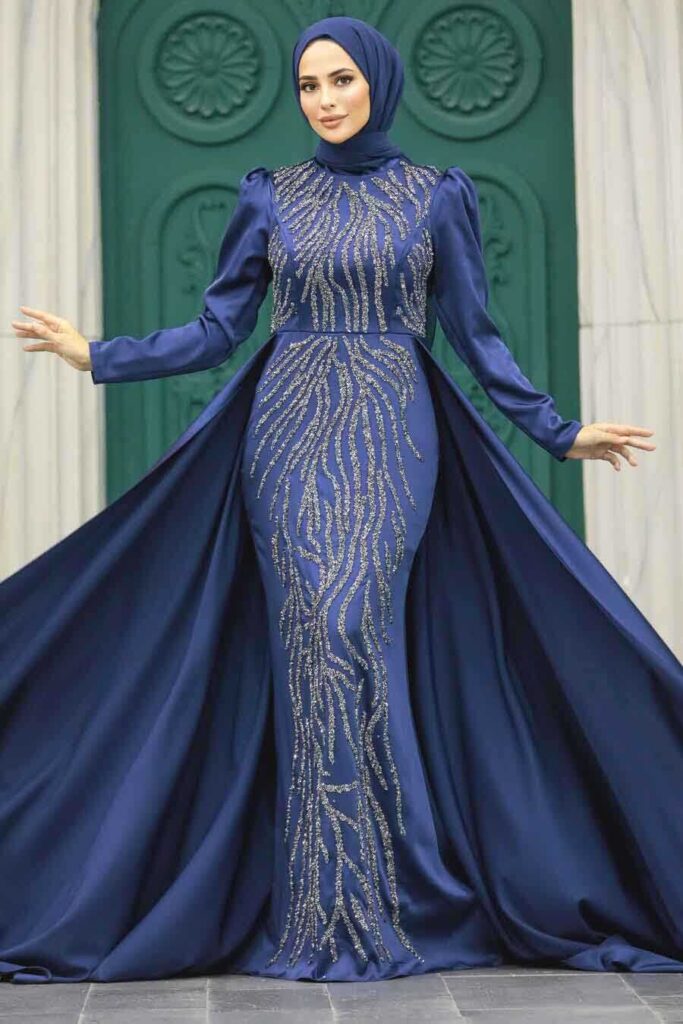
Islamic Wedding Clothes: Ultimate Guide to Modest Attire
This guide walks Muslim couples, modest-fashion enthusiasts, and wedding planners through the rich tapestry of Islamic wedding attire. It balances tradition, cultural diversity, modern style, budgeting, and ethical shopping, offering practical advice to help you celebrate modesty with confidence and flair.
1. Understanding Islamic Wedding Attire: Tradition & Symbolism
Islamic wedding clothing reflects spiritual values, cultural heritage, and personal identity. According to many Islamic traditions, modesty (often referred to through concepts of haya) encourages believers to dress with dignity and respect for the body. For many Muslims, the wedding day is a public affirmation of faith, so attire is chosen to be both respectful and celebratory.
Key garments carry symbolic weight within various Muslim communities. The hijab, when worn by a bride, can symbolize humility and devotion in certain cultural contexts. The abaya or jilbab offers an elegant, flowing silhouette that can be richly embroidered for special occasions. For grooms, the sherwani, kurta, bisht, or thobe convey authority and respectability, often paired with a kaftan for added grandeur.
2. Regional Variations Across Muslim Cultures
The Islamic world spans diverse regions, each with unique wedding customs and attire. Understanding these variations helps couples honor their roots while exploring style options.
South Asian Traditions (Pakistani & Indian)
Brides often wear a heavily embellished lehenga, sharara, or gharara, topped with a matching dupatta draped over the head or shoulders. Gold-thread embroidery, zardozi work, and crystal embellishments are common. Major fashion centers in Lucknow and Mumbai are renowned for intricate embroidery techniques. Grooms may opt for a richly embroidered sherwani paired with a kurta and a dupatta draped over one shoulder.
Arab Gulf & Levant
In many Arab communities, the bride may choose an elegant abaya or a flowing kaftan adorned with subtle embroidery. The groom often wears a bisht—a long, lightweight coat draped over a thobe—signifying prestige and honor. Gold accents and hand-stitched motifs are typical.
Turkish & Central Asian Influences
Turkish wedding attire frequently combines the classic kaftan with delicate lace or silk fabrics. Istanbul remains a key fashion capital for Ottoman-inspired designs. Patterns such as floral motifs, symbolic geometry, and Ottoman-inspired designs add cultural depth. In Central Asian communities, women may wear brightly colored atlas coats with intricate embroidery, while men traditionally wear tailored garments that vary by specific cultural and national traditions.
Southeast Asian Traditions (Malaysian, Indonesian & Bruneian)
Southeast Asian Muslim weddings showcase distinctive regional aesthetics. In Malaysia and Indonesia, brides often wear the baju kurung or baju melayu, elaborated with songket (hand-woven silk with gold threads) for weddings. The telukuba or songket sash carries cultural significance. Indonesian brides may wear the elaborate kebaya paired with a selendang (long sash), often featuring intricate batik or embroidery work. In Brunei, traditional婚礼 attire incorporates royal Malay elements with Islamic modest dress principles.
Egyptian & North African Traditions
Egyptian bridal dress often features the thered or galabiya, adorned with elaborate gold embroidery called tatreez. North African traditions include the Moroccan caftan, known for its vibrant colors and detailed embroidery, and the Tunisian bride may wear the salhia, a traditional wedding dress with ornate needlework.
African Muslim Communities
Across West Africa, the boubou or agbada is popular for both genders, featuring wide sleeves and bold prints. Brides may layer a richly woven wrapper with a matching headpiece, while grooms choose a coordinating agbada set. Fabrics such as Ankara or wax prints provide vibrant color palettes.
3. Fabrics, Colors, and Embellishments
Fabric choice shapes the drape, comfort, and visual impact of wedding attire. Climate considerations are important when selecting materials—lighter fabrics work better for tropical or summer weddings, while heavier silks suit cooler climates or winter celebrations.
- Silk: Lends a luxurious sheen and flows gracefully; ideal for bridal lehengas and groom’s sherwanis.
- Chiffon: Lightweight and airy, perfect for layered dupattas or flowing abayas.
- Organza: Adds structure and a subtle sheen, often used for overlays or sleeves.
- Georgette: Offers a soft drape with a slight texture, suitable for both genders.
- Velvet: Provides warmth and richness; suitable for winter weddings or cooler climates.
- Cotton blends: Breathable options for outdoor or daytime ceremonies in warm weather.
Color palettes in Islamic wedding attire often carry cultural significance. In many cultures, ivory and gold are associated with purity and prosperity. Deep jewel tones such as burgundy, emerald, and sapphire convey richness and elegance. Pastels like blush pink, mint, and lavender are increasingly popular for modern celebrations.
Embellishment techniques bring depth to the garments:
- Gold embroidery: Hand-stitched gold thread motifs create regal details.
- Crystal beading: Adds sparkle without overwhelming modesty.
- Zardozi: Traditional gold-and-silver wire embroidery from South Asia.
- Appliqué: Fabric cut-outs sewn onto the base for texture and pattern.
4. Modern Trends and Emerging Designers
Contemporary modest fashion is flourishing as designers blend heritage with modern sensibility. Brides and grooms now have access to fresh silhouettes that respect modesty while embracing current trends.
Several modest fashion labels have emerged in recent years, offering contemporary interpretations of traditional Islamic wedding attire. These designers often incorporate features like high necklines, full-length sleeves, and floor-sweeping skirts, while integrating trendy color blocking, minimalist metallic accents, and lightweight performance fabrics.
Key modern trends include:
- Structured capes: Added over a traditional gown for a dramatic yet modest silhouette.
- Convertible designs: Outfits that can be adjusted for ceremony versus reception, offering versatility.
- Sustainable fabrics: Organic silks, recycled polyester blends, and bamboo-derived textiles.
- Mix-and-match separates: Allowing couples to personalize their look with interchangeable tops and bottoms.
- Inclusive sizing: Many designers now offer extended size ranges to accommodate diverse body types.
When exploring modern options, couples should seek designers who understand the balance between trend and tradition, ensuring the final look honors both cultural roots and personal style.
5. Accessorizing: Jewelry, Headpieces, and Footwear
Accessories elevate an outfit, adding sparkle and personality without compromising modesty. Thoughtful selections can transform a simple ensemble into a statement of elegance.
Jewelry
- Statement earrings: Chandelier or drop styles can frame the face while remaining modest.
- Layered necklaces: Delicate chains with subtle pendants add depth without overwhelming.
- Bracelet sets: Thin, gold-plated or pearl-strung bracelets complement both bride and groom.
Headpieces
- Hijab pins and brooches: Ornamental pins can secure the hijab while serving as decorative accents.
- Embroidered dupattas: A lightweight shawl draped over the head and shoulders adds texture.
- Tiara or crown alternatives: Subtle floral crowns or minimalist headbands suit modest styles.
Footwear
- Embellished flats: Comfortable yet stylish, often adorned with embroidery or crystals.
- Block-heeled sandals: Provide height while maintaining stability for long events.
- Custom-made shoes: Matching the outfit’s fabric and color creates a cohesive look.
6. Budgeting, Custom Tailoring, and Cost-Effective Solutions
Weddings can be expensive, but careful planning allows couples to achieve a stunning look without overspending. Setting a realistic budget and exploring options ensures both quality and modesty. Wedding attire costs vary significantly based on region, fabric choice, and whether items are custom-made or ready-to-wear.
- Define a total budget: Many couples allocate a portion of their overall wedding budget for attire; this percentage varies based on cultural expectations, personal priorities, and financial circumstances.
- Prioritize key pieces: Invest in the bride’s gown and the groom’s main outfit; other items can be more modest in price.
- Custom tailoring vs. off-the-rack: Bespoke tailoring offers perfect fit and personalization, but ready-to-wear pieces with professional alterations can be equally impressive.
- Rentals and pre-owned options: Many boutiques offer rental services for high-end gowns and sherwanis, reducing cost while providing luxury. Platforms like Etsy and specialized bridal consignment shops may offer pre-owned options.
- Order timelines: Custom orders typically require several months for production and fitting; ordering 4-6 months in advance is common for tailored pieces, though complex custom designs may need longer lead times.
- DIY embellishments: Simple additions like sequin patches or embroidery can refresh an existing garment.
By planning ahead and exploring multiple avenues, couples can maintain quality while respecting financial constraints.
7. Ethical and Sustainable Shopping
Modern consumers increasingly value ethical production and environmental responsibility. When selecting Islamic wedding attire, consider the impact of your choices on people and the planet.
- Fair-trade certifications: Look for brands that guarantee fair wages and safe working conditions.
- OEKO-TEX or Global Organic Textile Standard (GOTS): These labels indicate fabrics free from harmful chemicals and produced sustainably.
- Eco-friendly fabrics: Organic silk, bamboo fiber, and recycled polyester reduce environmental footprint.
- Transparent supply chains: Choose designers who share information about sourcing and manufacturing processes.
- Second-hand marketplaces: Platforms specializing in pre-owned bridal wear can offer high-quality items at lower prices.
- Rental services: Renting instead of buying reduces waste and allows access to designer pieces for a limited time.
For couples seeking guidance on ethical fashion choices, organizations like the Fairtrade Foundation provide resources on conscious consumption.
8. Photography and Styling Tips for Modest Wedding Attire
Capturing the beauty of modest wedding attire requires thoughtful composition and lighting. Both photographers and couples can work together to showcase garments while honoring modesty.
Lighting Techniques
- Soft, diffused light: Use natural window light or a reflector to highlight embellishments without harsh shadows.
- Backlighting: Creates a gentle glow around the outfit, emphasizing silhouette and fabric flow.
- Spotlighting details: A focused light on intricate embroidery or beadwork draws attention to craftsmanship.
Composition Ideas
- Detail shots: Close-ups of embroidery, fabric texture, and accessories convey the outfit’s richness.
- Silhouette and back angles: Showcasing the rear of a gown or sherwani can be elegant and modest.
- Candid movement: Capturing the bride or groom in motion—walking, turning—reveals the draping and flow of the attire.
Collaboration with Couples
Prior discussion about comfort levels and modesty preferences ensures that the photographer respects the couple’s boundaries. A brief questionnaire before the shoot can clarify which poses or angles are welcome. For non-Muslim photographers working with Muslim couples, open communication about modesty requirements is essential for a respectful collaboration.
9. Cultural Sensitivity and Inclusive Considerations
For non-Muslim audiences participating in Islamic weddings—whether as guests, vendors, or photographers—understanding cultural context enhances the experience and shows respect.
- Dress modestly: If attending as a guest, choose attire that covers shoulders and knees.
- Ask questions: When uncertain about customs or expectations, politely ask the couple or family members.
- Respect photography boundaries: Some couples may prefer limited photography or specific areas where images should not be taken.
- Appreciate without appropriating: Admire and learn from the traditions without adopting sacred elements out of context.
Frequently Asked Questions
What are the traditional Islamic wedding outfits for brides and grooms?
Brides typically wear a heavily embellished dress or gown, often paired with a hijab, dupatta, or abaya. Grooms commonly sport a sherwani, kurta, bisht, thobe, or a modest tailored suit. Specific styles vary by region and family preference.
How do Islamic wedding garments vary across different cultures?
Pakistani and Indian weddings favor embroidered lehengas, shararas, or ghararas with a dupatta. Arab weddings may feature a luxurious bisht or thobe for men and an elegant abaya or kaftan for women. Turkish and African Muslim communities incorporate local fabrics and motifs, always maintaining modest silhouettes.
What fabrics, colors, and embellishments are commonly used?
Silk, chiffon, organza, and georgette are popular for their flow and elegance. Colors range from classic ivory and gold to deep jewel tones such as burgundy, emerald, and sapphire. Embellishments include gold thread embroidery, crystal beading, zardozi work, and appliqué.
How can modesty be balanced with contemporary fashion trends?
Choose modern silhouettes that retain modest coverage—high necklines, longer sleeves, full-length skirts—and incorporate trendy colors, textures, or minimalist embellishments. Working with a designer experienced in modest fashion helps blend both worlds.
What are the ethical and sustainability considerations when buying Islamic wedding fashion?
Look for certifications (Fair Trade, OEKO-TEX), support brands with transparent supply chains, consider eco-friendly fabrics (organic silk, recycled polyester), and explore second-hand or rental options.
How should one budget for wedding clothes while considering quality and modesty?
Set a clear overall budget, prioritize key pieces for investment, and consider renting, borrowing, or purchasing off-the-rack with alterations to save costs. Allocating a portion of your total wedding budget for attire is a common approach, with percentages varying based on individual circumstances and cultural expectations.
How can wedding photographers best capture modest wedding attire?
Use soft lighting to highlight embellishments, focus on details (embroidery, fabric drape), employ creative angles that respect modesty (e.g., back or silhouette shots), and coordinate with the couple to ensure comfort and consent.
Conclusion
Choosing Islamic wedding attire is a beautiful opportunity to honor faith, heritage, and personal style. By understanding the symbolism of key garments, appreciating regional diversity, and staying open to modern innovations, couples can craft looks that feel both authentic and contemporary.
Thoughtful budgeting, ethical shopping, and careful accessorizing further enhance the experience, ensuring that the attire reflects values beyond aesthetics. Finally, collaboration with photographers and stylists who respect modesty will result in timeless images that capture the essence of the celebration.
Whether you gravitate toward a classic lehenga, a flowing abaya, a refined sherwani, or a sleek modern ensemble, the guiding principle remains the same: modest fashion that celebrates love, culture, and confidence.
This article is part of our Modest Fashion Guide series. Related topics include wedding budgeting tips and sustainable fashion choices.

Author and contributor.