
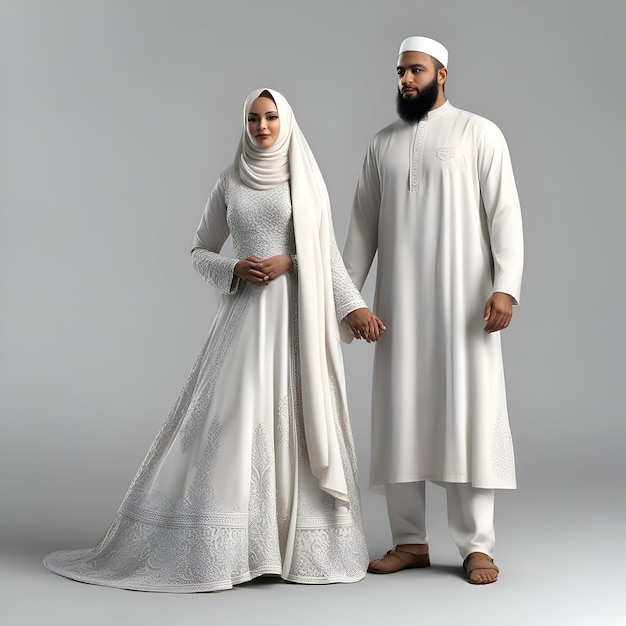
Part 36 of Our Islamic Wedding Series
Islamic Wedding Clothes: Modest Elegance & Cultural Guide
Wedding attire in Islamic culture transcends mere fabric and stitching—it embodies a profound expression of faith, cultural heritage, and personal identity. For Muslim couples around the world, selecting wedding clothes represents a meaningful intersection where religious principles of modesty meet centuries-old traditions and contemporary fashion innovations. This comprehensive guide explores Islamic wedding clothes in depth, offering guidance that honors Islamic values while celebrating the beauty of diverse cultural expressions.
Whether you are a bride envisioning her dream gown, a groom seeking the perfect sherwani, or a wedding planner navigating the nuances of modest fashion, this guide provides essential insights into creating a wedding look that reflects both spiritual commitment and individual style.
The Historical Evolution of Islamic Wedding Attire
The development of Islamic wedding clothing has roots in the early centuries of Islamic history, when modesty became a defining characteristic of Muslim dress. The Quranic emphasis on covering the body appropriately influenced how communities approached celebration wear, including wedding attire. Rather than discarding local customs, early Muslim societies adapted existing traditions to align with Islamic principles, creating a beautiful synthesis of faith and culture. Historical textile trade routes, including those documented in academic studies of Islamic textile heritage, further shaped regional variations.
During the Umayyad and Abbasid periods, wedding attire began incorporating distinctive Islamic elements while maintaining connections to regional identities. Fabrics like silk and brocade traveled along established trade routes, influencing wedding clothes across the Islamic world. The concept of hijab as modest dress evolved alongside wedding traditions, with varying interpretations across different regions and schools of Islamic thought, ensuring that celebratory occasions could honor religious commitments in culturally appropriate ways.
Regional adaptations emerged as Islam spread from the Arabian Peninsula to Persia, South Asia, North Africa, and Southeast Asia. Each culture infused wedding attire with local symbolism, creating the diverse tapestry we recognize today—from the ghutra and egal traditions of the Gulf region to the elaborate beadwork of Moroccan weddings. Understanding this historical foundation helps contemporary couples appreciate that their wedding clothes connect them to generations of Muslims who navigated the same beautiful balance between faith and celebration.
Regional Styles: A Global Perspective
South Asian Traditions
South Asian Islamic wedding attire represents some of the most elaborate and vibrant expressions of modest fashion. In Pakistan and India, brides traditionally wear lehengas—elaborate skirt and blouse sets paired with a flowing dupatta (long scarf) that provides both modesty and elegance. These ensembles often feature intricate embroidery, mirror work, and heavy beadwork that can take months to complete.
Grooms in South Asian Muslim communities traditionally wear sherwanis or kurtas with shalwars. Sherwanis are long coat-like garments that extend below the knee, providing modest coverage while exuding regal elegance. Modern grooms sometimes opt for kurta-pyjama combinations with embroidered waistcoats for a slightly more relaxed yet still ceremonial appearance. In Bangladesh, brides often wear banarasi sarees or leheria sarees, while grooms may wear panjabi outfits with long clothes.
Middle Eastern Traditions
Middle Eastern Islamic wedding attire emphasizes refined elegance and quality craftsmanship. In Arab countries, brides traditionally wear elaborate abayas or jalabiyas that feature sophisticated embroidery and beading. The thobe (traditional long robe) remains popular for grooms, often crafted from fine wool or cotton with subtle decorative elements.
Saudi Arabian bridal wear often includes a white or cream-colored milfiya (headpiece) adorned with gold and pearls, paired with an embroidered gown. Emirati brides may wear traditional red or gold dishdashas with intricate gold threading. In Egypt, brides traditionally don elaborate galabiyas heavily decorated with embroidery and crystals, while modern Egyptian Muslim brides increasingly embrace designer gowns. The emphasis in Middle Eastern traditions often lies in the quality of materials and the sophistication of the design rather than excessive embellishment.
Southeast Asian Traditions
Southeast Asia offers distinctive approaches to Islamic wedding attire shaped by tropical climates and unique cultural influences. In Malaysia and Indonesia, brides traditionally wear the Baju Kurung or Baju Melayu for grooms, which feature loose-fitting silhouettes perfect for humid weather while maintaining modesty.
In Indonesia, the kebaya—a fitted blouse worn with a wrapped skirt—remains popular for weddings, often crafted from delicate lace or silk. The selendang serves similar purposes to the dupatta in South Asian fashion, providing both modesty and decorative appeal. Singapore’s Malay Muslim community blends these traditions with contemporary influences, while Brunei’s royal wedding ceremonies showcase the most elaborate interpretations of traditional Malay wedding attire.
North African Traditions
North African Islamic wedding traditions offer rich textile heritage. Moroccan brides traditionally wear the takchita—a two-piece gown featuring elaborate embroidery, often in gold and silver threads, with the outer robe opened to reveal a richly decorated inner dress. The kaftan tradition in Morocco and Tunisia features flowing silhouettes with intricate beadwork. Tunisian brides may wear the sfax or regional variations depending on family origins.
Central Asian Traditions
Central Asian Muslim wedding attire reflects Silk Road influences. Uzbek brides traditionally wear heavily embellished khelat garments with gold embroidery, often in deep reds and golds. Kyrgyz and Kazakh wedding traditions incorporate traditional chapan robes and ak kalpak hats for grooms, with wedding-specific elaborate versions featuring traditional patterns and precious metal ornaments.
Modesty and Modern Fashion: Balancing Faith and Trends
Contemporary designers have embraced the challenge of creating wedding attire that satisfies both religious requirements for modesty and modern aesthetic preferences. This fusion approach has given rise to innovative designs that honor tradition while incorporating contemporary elements.
For brides, this means exploring options like high-necklines with modest back designs, longer sleeves, and full-length silhouettes that maintain elegance without compromising religious principles. Many modern bridal gowns feature detachable elements—capes, sleeves, or overskirts—that allow brides to adjust their coverage for different parts of the celebration while maintaining the modesty required by their faith and family expectations.
Grooms’ fashion has similarly evolved, with designers offering tailored suits designed specifically for Muslim men. These suits maintain modest cuts with longer jacket lengths, higher-waisted trousers, and appropriate shirt designs. The key innovation lies in preserving the sleek lines of modern tailoring while ensuring coverage that aligns with Islamic principles.
Fabric Choices and Embellishments: Luxurious Yet Modest
The selection of fabric profoundly impacts both the appearance and comfort of Islamic wedding attire. Different fabrics offer distinct advantages in terms of drape, coverage, and overall aesthetic.
Premium Fabric Options
Silk remains the quintessential wedding fabric across many Islamic cultures. Its natural luster creates an elegant appearance while its breathable nature keeps wearers comfortable during extended celebrations. Pure silk, however, requires careful handling and significant investment.
Satin offers a similar luxurious appearance at a more accessible price point. Its smooth surface reflects light beautifully, creating a regal effect perfect for wedding photography. Modern brides often choose duchess satin for its structured drape and relative ease of care.
Chiffon provides ethereal elegance with its lightweight, flowing quality. This fabric works exceptionally well for dupattas, scarves, and layered elements. Its semi-transparent nature typically requires lining, which aligns with modest fashion principles.
Organza adds dimension and volume without significant weight. This fabric excels in creating dramatic sleeves, overlays, and decorative elements that enhance the overall design while maintaining comfort.
Velvet brings richness and warmth, making it particularly popular for winter weddings. Its substantial feel creates impressive silhouettes while providing excellent coverage. Velvet works beautifully for sherwanis, abayas, and detailed bodices.
Embellishment Techniques
Zardozi—the intricate art of gold and silver embroidery—represents one of the most prestigious embellishment techniques in Islamic wedding fashion. This painstaking process creates raised metallic patterns that catch light spectacularly, defining the opulence of traditional bridal wear. This technique has historical roots in Lucknow, India, and Persian textile traditions.
Thread work encompasses various embroidery styles using colored threads to create floral patterns, geometric designs, and symbolic motifs. Each region has developed distinctive thread work traditions—chikankari from Lucknow, phulkari from Punjab, and kasuthi from Karnataka—that carry cultural significance.
Pearl detailing adds understated elegance to wedding attire. From scattered pearl applications to elaborate pearl borders, this natural embellishment complements both traditional and contemporary designs while symbolizing purity and refinement.
Color Symbolism and Cultural Significance
Color choices in Islamic wedding attire carry deep cultural and symbolic meaning. While Islamic tradition does not mandate specific wedding colors, cultural practices have established rich associations that vary significantly between communities.
Red dominates many South Asian Islamic wedding celebrations, commonly associated with prosperity, fertility, and auspiciousness in communities across Pakistan, India, and Bangladesh. Brides in these

Author and contributor.