
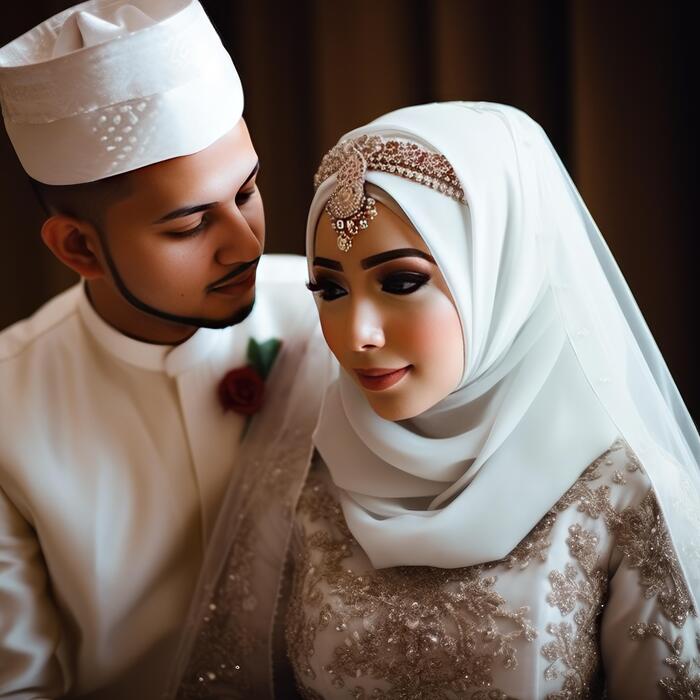
Islamic Wedding Attire — Part 34: Complete Guide to Traditional & Modern Modest Wedding Fashion
Discover everything about Islamic wedding clothes, from traditional abayas and sherwanis to regional bridal gowns and guest dress codes. Your comprehensive guide to modest wedding fashion.
1. Historical Evolution of Islamic Wedding Attire
Islamic wedding clothing has evolved over more than thirteen centuries, adapting to diverse cultures while maintaining core principles of modesty and elegance. During the early Islamic period, wedding garments reflected locally available materials and modest sensibilities that prioritized dignity over extravagance.
As Islamic civilization spread from the Arabian Peninsula to Persia, North Africa, South Asia, and beyond, regional cultures enriched wedding traditions with distinctive textile arts. Historical textile traditions include silk weaving practices in the Levant region, intricate embroidery techniques that developed in Mughal-era South Asia, and various woven patterns across the African continent. These regional textile developments reflect the exchange of craft knowledge along historic trade routes.
Ottoman-era court fashion introduced elaborate embroidery and precious metalwork into wedding attire across the Muslim world. The colonial period brought new fabrics and tailoring techniques, further diversifying regional styles while maintaining core modest principles.
2. Regional Styles Overview
Islamic wedding attire varies dramatically across different Muslim communities, each style reflecting local tradition and faith. The following table provides a quick comparison:
| Region | Bridal Attire | Groom’s Attire | Key Fabrics |
|---|---|---|---|
| South Asia (Pakistan, India, Bangladesh) | Lehenga cholis, heavily embroidered with dupattas | Sherwanis with churidar or pajamas | Silk, velvet, brocade |
| Arab Gulf (Saudi Arabia, UAE, Jordan) | Embellished abayas with gold and pearl details | White kanduras with ghutras | Nidham, crepe, silk |
| North Africa (Morocco, Tunisia) | Ornate kaftans with regional embroidery | Jalabiyas and styled boubous | Silk, cotton, wool |
| West Africa (Nigeria, Ghana) | Gele headwraps with matching ensembles | Elaborate agbada or boubou | George cloth, ankara, adire |
| Southeast Asia (Malaysia, Indonesia, Brunei) | Baju kurung with songket fabric | Songket配上 with formal Malay wear | Songket, silk, cotton |
South Asian Traditions
In Pakistan, India, Bangladesh, and among diaspora communities, wedding attire is known for its opulence and intricate craftsmanship. Brides traditionally wear heavily embroidered lehenga cholis with flowing dupattas, while grooms don richly decorated sherwanis. The Mehndi ceremony features vibrant, colorful garments that allow for more playful design elements.
Arab Traditions
Countries like Saudi Arabia, the United Arab Emirates, and Jordan favor elegant simplicity. Brides often select luxurious abayas with elaborate hand embroidery, sometimes featuring crystal or pearl embellishments. Grooms wear pristine white kanduras with intricately designed headpieces called ghutras. Gold jewelry plays a prominent role in bridal adornment.
African Traditions
Across North Africa, Sub-Saharan Africa, and island nations, Islamic wedding attire showcases bold prints and vibrant colors. Brides may wear elaborate kaftans with matching head wraps, while grooms favor styled boubous or jalabiyas. In Morocco, the caftan has become a symbol of wedding celebration, with each region featuring distinct embroidery patterns and color palettes.
Southeast Asian Traditions
Indonesia, Malaysia, and Brunei blend Islamic principles with Malay, Javanese, and Indonesian cultural elements. The baju kurung and songket feature prominently in wedding celebrations, with brides wearing hand-woven textiles adorned with gold thread work. Grooms typically wear songket配上 with traditional Malay formal wear.
3. Color Symbolism and Fabric Selection
Color choices in Islamic wedding attire carry deep symbolic meaning, varying by region and personal preference. Understanding these associations helps couples make meaningful selections for their celebration.
Popular Wedding Colors and Their Meanings
- White and Ivory: Representing purity, peace, and new beginnings, white remains a timeless choice for Islamic weddings. Ivory tones offer warmth while maintaining the clean aesthetic associated with bridal celebration.
- Gold: Symbolizing prosperity, royalty, and divine blessings, gold accents appear throughout wedding attire, from embroidery threads to jewelry.
- Red: Celebrated in South Asian and some African traditions as a color of love, passion, and fertility, red remains popular for bridal garments in these communities.
- Emerald Green: Honored as a sacred color in Islam, green represents paradise, growth, and spiritual awakening. Many brides incorporate green elements as a connection to their faith.
- Ivory and Champagne: These softer tones provide alternatives to pure white while maintaining elegance and modesty.
Recommended Fabrics
Fabric selection balances comfort, modesty, elegance, and practicality. Common choices include:
- Silk: Luxurious and breathable, silk drapes beautifully while providing modest coverage. Charmeuse and raw silk variants offer different textures for various design preferences.
- Chiffon: Lightweight and flowing, chiffon provides coverage without bulk, making it ideal for layering and warmer climates.
- Organza: Structured yet delicate, organza adds volume and definition to sleeves, overlays, and veil elements.
- Crepe: Offering a modern look with comfortable wear, crepe drapes elegantly and conceals figure while maintaining sophisticated appearance.
- Georgette: Similar to chiffon but with more body, georgette works well for abayas and flowing garments requiring modest movement.
4. Groom’s Attire: Sherwani, Thobe, Kandura, and Jubah
Islamic wedding attire for grooms encompasses various traditional garments, each with regional significance and styling considerations.
The Sherwani
Originating from South Asian traditions during the Mughal period, the sherwani is a long coat-like garment worn over a kurta and churidar or pajamas. The sherwani developed as a formal alternative to the everyday kurta, influenced by both indigenous South Asian dress and Central Asian outer garments. Sherwanis typically feature elaborate embroidery along the collar, cuffs, and front opening. When selecting a sherwani, consider the following fitting guidelines:
- Shoulders should fit precisely without pulling or excess fabric
- The length should reach below the knee for formal occasions
- Arm length should allow for slight shirt cuff display
- Tailoring at the waist creates a polished silhouette
The Thobe
The thobe, also known as a dishdasha in Gulf countries, is a traditional long robe worn by men across the Arab world and beyond. For wedding occasions, white or cream thobes remain standard, with subtle differences in collar styles (V-neck versus round) by region. Quality thobes feature clean stitching, well-finished hems, and comfortable fabric weight.
The Kandura
Popular in the Arabian Gulf, the kandura is a lightweight, embroidered garment typically made from cotton or cotton blends. Wedding kanduras may feature hand-stitched embroidery around the collar and cuffs, with some grooms opting for subtle embellishments.
The Jubah
The jubah represents a broader category of long garments worn across Muslim communities, particularly in Malaysia, Indonesia, and parts of Africa. Wedding jubahs often incorporate richer fabrics and more elaborate designs while maintaining the modesty central to Islamic dress principles.
Groom Accessories
Completing the groom’s wedding attire involves thoughtful accessory selection. Turbans (sometimes called pagri or imama) vary by culture, from the South Asian safa to the Arab ghutra worn with an agal. Waistcoats called vestees in South Asian tradition add formality. Subtle gold accessories, including cufflinks and pins, may be incorporated without compromising modesty.
5. Bride’s Attire: Abaya, Jilbab, Khimar, and Regional Bridal Gowns
Islamic wedding attire for brides offers rich variety while maintaining core principles of modesty, elegance, and personal expression.
The Abaya
The abaya serves as a versatile garment throughout the Muslim world, with wedding-specific abayas featuring significantly more embellishment than everyday wear. Modern wedding abayas range from minimalist designs with subtle embroidery to fully beaded creations requiring hundreds of hours of handwork. Designers such as Elie Saab, Zuhair Murad, and modest fashion houses like Aisha慢了 offer contemporary interpretations of the wedding abaya. When selecting a wedding abaya, consider:
- Fabric weight for climate and venue comfort
- Embellishment placement and density
- Coverage provided by the silhouette
- Movement allowance for ceremony activities
The Jilbab
The jilbab provides coverage of the body with a more structured fit than the abaya, often featuring a separate headpiece. Wedding jilbabs may incorporate matching ensembles where the headscarf coordinates with the main garment for cohesive appearance.
The Khimar
The khimar offers a cape-like style that drapes over the shoulders and can be wrapped around the body as needed. Wedding khimars often feature elaborate details at the hem and are made from flowing fabrics that photograph beautifully.
Regional Bridal Gowns
Beyond these foundational garments, regional bridal gowns offer cultural specificity:
- Lehenga: The South Asian bridal lehenga consists of a skirt, fitted blouse, and flowing dupatta, typically featuring extensive embroidery, mirror work, or zardozi.
- Kaftan: North African and Middle Eastern brides often wear ornate kaftans with matching headpieces, featuring regional embroidery styles.
- Baju Kurung: Malay wedding traditions include elaborate baju kurung with songket fabric and gold accessories.
- Gele: Nigerian and West African brides wear gele headwraps as statements of elegance and cultural pride.
6. Accessories, Headpieces, and Jewelry
Accessories complete Islamic wedding attire, adding personal touches while maintaining modest principles.
Head Coverings
The hijab remains central to modest Islamic dress, with wedding hijabs typically featuring premium fabrics and careful coordination with the main garment. Niqabs may be worn by brides who prefer full facial coverage, often featuring decorative elements around the eyes. The dupatta serves multiple purposes in South Asian traditions, draped over the head and shoulders throughout the ceremony.
Headpieces and Tiaras
Bridal tiaras and headpieces range from simple gold bands to elaborate crystal creations. Many brides incorporate a maang tikka, a piece of jewelry that sits on the hairline and extends down the forehead, into their wedding day look. These pieces should complement rather than overwhelm the overall appearance.
Jewelry Selection
Gold remains the preferred metal for Islamic wedding jewelry, representing prosperity and tradition. Common pieces include:
- Chandbali or jhumka earrings
- Layered necklaces or single statement pieces
- Bracelet sets and rings
- Anklets for brides in certain traditions
- Belly chains for specific regional styles
7. Guest Dress Code and Etiquette
Attending an Islamic wedding as a guest requires attention to modest fashion principles while respecting cultural nuances. Understanding appropriate dress demonstrates respect for the couple and their faith.
Coverage Guidelines
Islamic wedding guests should aim for comprehensive coverage that includes:
- Arms covered at minimum to the elbow, preferably to the wrist
- Legs covered to the ankles or with long skirts and dresses
- Chest and torso coverage avoiding low necklines
- Loose-fitting garments that do not cling or define body shape
Color and Fabric Recommendations
While guests are not bound by bridal color restrictions, avoiding pure white or heavily beaded white garments shows respect for the bride. Pastels, jewel tones, and rich colors are appropriate choices. Fabric should be modest in terms of transparency; lining or layering ensures appropriate coverage.
Regional Considerations
Islamic wedding traditions vary by culture, and guests should consider regional expectations. Some communities may expect women to cover their hair, while others focus primarily on body coverage. When uncertain, asking the host about expectations shows consideration rather than assumption.
8. Modern Trends and Fusion Styles
Contemporary modest fashion has revolutionized Islamic wedding attire, offering innovative options that honor tradition while embracing modern aesthetics. Events such as the Dubai Modest Fashion Week and Istanbul Modest Fashion Week showcase emerging designers blending Islamic principles with contemporary design.
Design Innovations
Modern modest fashion designers have introduced fresh approaches to Islamic wedding clothing:
- High-neck silhouettes: Providing coverage without sacrificing elegance, high-neck designs work beautifully with sheer or layered elements.
- Empire waistlines: These cuts create definition while maintaining flow and coverage throughout the garment.
- Bell sleeves and structured cuffs: Adding drama to modest designs, these sleeve styles balance coverage with contemporary fashion statements.
- Modest jumpsuits and separates: For brides seeking alternatives to traditional gowns, well-designed modest separates offer versatility and modern appeal.
Fusion Approaches
Many couples incorporate elements from multiple cultural traditions, particularly in diaspora communities. A bride might wear an abaya-style gown incorporating South Asian embroidery techniques, or a groom might choose a sherwani with contemporary tailoring. When approaching fusion styling, research the cultural significance of each element to ensure respectful incorporation.
9. Budgeting and Shopping Strategies
Islamic wedding attire represents a significant investment, and thoughtful budgeting helps couples balance quality, tradition, and financial reality.
Budget Allocation Guidelines
When planning your wedding attire budget, consider allocating funds across several categories: These allocations serve as general guidelines; individual circumstances and priorities may warrant adjustments.
- Main garment: The largest portion of the attire budget typically covers the primary dress or suit
- Alterations and tailoring: Professional fitting ensures proper coverage and comfort
- Accessories, jewelry, and undergarments: These essential elements complete the overall look
- Footwear and day-of preparation items: Comfortable, appropriate shoes and any final preparations
Shopping Strategies
Finding quality Islamic wedding attire at reasonable prices requires strategic shopping:
- Custom tailors: Commissioning garments from skilled tailors often provides better value than ready-to-wear options, particularly for non-standard sizes.
- Specialty boutiques: Dedicated Islamic wedding boutiques offer curated selections with knowledgeable staff assistance.
- Online marketplaces: Reputable platforms provide extensive options, but verify seller reviews and return policies before purchasing.
- Rental services: For couples seeking luxury at lower cost, formal rental services increasingly include modest wedding attire.
- Pre-owned options: Many brides sell immaculate garments after their wedding day, offering quality options at reduced prices.
Sustainable Considerations
Environmentally conscious fashion choices align with Islamic values of stewardship and responsibility. Some Islamic scholars connect environmental ethics to the concept of khilafa (stewardship), though interpretations vary among scholars and communities. Consider these sustainable options:
- Choosing natural fabrics over synthetic materials
- Supporting brands with transparent supply chains
- Selecting timeless designs over trend-driven pieces
- Exploring rental and pre-owned options to reduce waste
- Working with local artisans to reduce transportation impact
10. Care, Storage, and Preservation of Wedding Attire
Proper care ensures your wedding attire remains beautiful as a keepsake or for potential future use, whether passing down to family members or preserving as a cherished memory.
Post-Celebration Care
Immediately following the celebration:
- Hang beaded or embroidered garments to prevent fabric distortion
- Address stains promptly with appropriate treatments for the fabric type
- Avoid storing soiled garments, as stains may set over time
- Allow garments to air completely before storage
Cleaning Guidelines by Fabric
Different fabrics require specific care approaches:
- Silk: Professional dry cleaning is typically recommended for silk garments, particularly those with embellishments.
- Chiffon and organza: Delicate hand washing or professional cleaning preserves these lightweight fabrics.
- Crepe and georgette: Most crepe varieties can be gently hand washed, though testing on an inconspicuous area first is advisable.
- Embellished garments: Beaded, sequined, or embroidered items generally require professional cleaning.
Storage Best Practices
Long-term preservation requires proper storage techniques:
- Use breathable garment bags rather than plastic to prevent moisture buildup
- Store in cool, dry locations away from direct sunlight
- Avoid folding garments with heavy embellishments, which may crack or detach
- Use acid-free tissue paper to stuff sleeves and maintain shape
- Periodically inspect stored garments for signs of damage or pest activity
11. Cultural and Religious Significance of Key Garments
Understanding the symbolism behind Islamic wedding attire enriches appreciation for these traditions and guides thoughtful selection.
The Thobe and Sherwani
For men, the thobe represents dignity, simplicity, and connection to Islamic heritage. Cultural commentators note that the thobe’s clean lines reflect historical preferences for modest, unadorned clothing in Islamic tradition. The sherwani, while more elaborate, celebrates the gravity of the marriage occasion and carries significance as formal South Asian celebratory attire. Both garments embody masculinity, respect, and honor.
The Abaya and Jilbab
The abaya and jilbab carry deep meaning as garments of modesty and protection. For brides, wearing these garments on their wedding day symbolizes entering married life with dignity and faith. The meaning of modest dress varies among individuals and communities; cultural and religious authorities offer diverse interpretations of its significance.
The Dupatta
In South Asian traditions, the dupatta represents honor, respect, and the blessing of elders. Brides often receive their dupatta from mothers or mother-in-laws, carrying forward family traditions. The dupatta’s placement during various ceremony moments carries specific meanings related to transition and blessing.
Henna
While not a garment, henna occupies significant space in Islamic wedding traditions. Applied during the Mehndi ceremony, henna represents joy, spiritual protection, and fertility. The intricate designs often incorporate the groom’s name and symbols of prosperity and happiness.
12. Practical Checklists for Brides, Grooms, and Guests
Bridal Checklist
- Select primary wedding garment (abaya, lehenga, kaftan, or alternative)
- Choose ceremony and reception outfit options if different
- Schedule fittings with tailor at least 8-10 weeks before wedding
- Select head covering options (hijab, khimar, dupatta)
- Choose jewelry and accessories
- Plan undergarments and footwear
- Arrange cleaning and pressing before wedding day
- Prepare day-of care kit including safety pins, fashion tape, and stain pen
Groom’s Checklist
- Select primary wedding garment (sherwani, thobe, kandura, jubah)
- Choose accessories (turban, waistcoat, cufflinks)
- Schedule tailoring appointments for proper fit
- Select formal footwear appropriate to tradition
- Arrange headpiece and any hair styling needs
- Prepare outfit for wedding day transportation and hanging
- Pack backup items in case of emergency
Guest Checklist
- Review wedding invitation for dress code guidance
- Select modest outfit with appropriate coverage
- Verify fabric transparency with appropriate undergarments
- Consider regional cultural elements if known
- Prepare modest head covering if appropriate
- Select comfortable footwear for extended wear
- Avoid white or heavily beaded garments unless culturally appropriate
13. Frequently Asked Questions
What are the traditional garments for a Muslim bride and groom?
Traditional options for brides include the abaya, jilbab, khimar, and regional bridal gowns such as the South Asian lehenga, North African kaftan, or Malay baju kurung. Grooms traditionally wear the sherwani, thobe, kandura, or jubah, with accessories varying by cultural tradition. Each garment is chosen for modesty and cultural relevance to the couple’s background.
How do Islamic wedding attire styles differ across regions?
South Asian weddings feature richly embroidered lehengas and sherwanis with elaborate embellishments. Arab traditions favor flowing abayas and pristine white kanduras with gold jewelry. African celebrations highlight vibrant kaftans and prints, while Southeast Asian styles incorporate songket fabric and traditional Malay garments like the baju kurung.
What colors and fabrics are commonly chosen and why?
White, ivory, gold, red, and emerald green are popular choices representing purity, prosperity, love, and faith. Fabrics such as silk, chiffon, organza, and crepe are prized for their elegant drape, comfort in various climates, and ability to hold intricate embellishments beautifully.
What role do accessories play in Islamic wedding dress?
Accessories accentuate modesty while adding personal expression and cultural symbolism. Hijabs, dupattas, and headpieces provide coverage while creating visual impact. Jewelry pieces carry meaning related to prosperity and blessing. The careful selection of accessories demonstrates attention to tradition and personal style.
What are the modest-fashion guidelines for wedding guests?
Guests should wear loose-fitting clothing that covers the arms, legs, and chest completely. Avoid transparent fabrics without appropriate lining. Choose modest necklines and ensure garments do not cling to the body. Respect regional color preferences by avoiding pure white and heavily beaded white garments.
How can modern trends be integrated while respecting religious modesty?
Modern modest fashion offers contemporary cuts including high-neck designs, empire waistlines, and structured sleeves that maintain modest coverage while incorporating current style influences. Working with modest-fashion designers allows couples to blend Western silhouettes with Islamic principles effectively.
What are the symbolic meanings behind specific garments?
The thobe and sherwani symbolize dignity and masculinity in Islamic tradition. The abaya and jilbab represent modesty, protection, and grace. The dupatta conveys honor and blessing, traditionally received from elders. Henna signifies joy, spiritual protection, and celebration of new beginnings.
Where can one find reputable sources for purchasing Islamic wedding clothes?
Trusted sources include specialized Islamic wedding boutiques, reputable online marketplaces with verified reviews, custom tailors who understand modest fashion requirements, and ethical modest-fashion brands with transparent business practices. Recommendations from community members who have previously purchased wedding attire can also guide quality sources.
How should wedding attire be cared for and stored after the event?
Follow fabric-specific cleaning guidelines, with embellished garments typically requiring professional dry cleaning. Use breathable garment bags rather than plastic to prevent moisture damage. Store in cool, dry locations away from direct sunlight, using acid-free tissue paper to maintain shape and prevent fabric distortion.
What budget considerations should be taken into account for Islamic wedding attire?
Set a realistic budget covering the garment, alterations, accessories, and any rental options. Prioritize quality fabrics and craftsmanship that will photograph well and potentially be preserved as keepsakes. Consider custom tailoring as an investment that ensures proper fit and personalization. Factor in cleaning costs for delicate garments.

Author and contributor.