# The Bow Dress: A Versatile Fashion Trend Making a Comeback
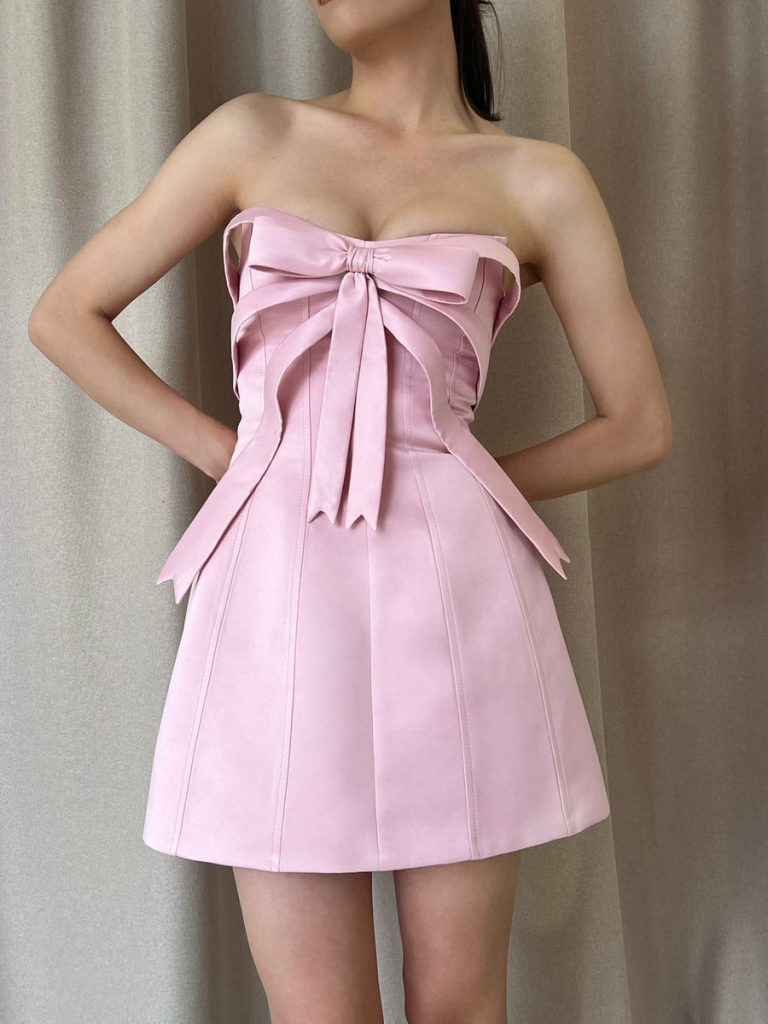
The bow dress has quietly re-emerged as a staple in modern wardrobes across the United States. This style, defined by decorative ribbon-like ties or structured bows at the neckline, waist, or back, marries playful femininity with sophisticated tailoring. Its resurgence is tied to a broader cultural shift toward romantic, nostalgic aesthetics in fashion, blending elements of 1950s elegance with contemporary minimalism. Social media platforms and seasonal collections have spotlighted the bow dress as an accessible way to add soft structure to everyday outfits. Unlike fleeting micro-trends, the bow dress offers enduring appeal through its adaptability—from casual daytime wear to formal evening events. This article explores why this silhouette is capturing attention nationwide, how to wear it effectively, and what to consider before adding one to your closet.
## Why the Bow Dress Is Gaining Attention in the US
The rising popularity of the bow dress in the United States reflects a collective desire for clothing that feels both polished and approachable. After years of oversized or unstructured loungewear, many shoppers are embracing pieces that offer defined shapes without sacrificing comfort. The bow dress accomplishes this by using a single design element—the bow—to create visual interest and waist definition. Fashion influencers and everyday consumers alike appreciate how a subtle bow can transform a simple dress into a statement piece.
Additionally, the bow dress aligns well with the current “quiet luxury” trend. Instead of loud logos or excessive embellishments, the bow offers a refined detail that signals thoughtfulness. Retailers have responded by offering bow dresses in neutral tones like camel, navy, and cream, making them easy to integrate into existing wardrobes. This combination of practicality and charm has led to a steady increase in search interest, particularly among women aged 25–45 seeking work-appropriate yet feminine options.
## How the Bow Dress Works: A Beginner-Friendly Guide
For those new to this trend, the bow dress works primarily through strategic placement of the bow. Most designs feature a bow at the natural waist, which cinches the fabric and creates an hourglass silhouette. Others place the bow at the back, offering a surprise detail when viewed from behind. The bow itself can be pre-tied or adjustable, with some dresses offering functional ties that allow the wearer to control the fit.
To wear a bow dress with confidence, start with a style that matches your comfort level. A midi-length dress with a soft bow at the front is ideal for beginners because it balances coverage with visual appeal. Pair it with simple accessories—minimalist earrings, a structured handbag, and neutral flats or block heels—to let the bow remain the focal point. For cooler weather, layer a tailored blazer over the dress; the bow will peek out from the lapels, adding texture without bulk.
Fabric choice also matters. Cotton or linen bow dresses work well for daytime outings, while satin or silk versions suit evening events. The bow should never feel overwhelming; a well-proportioned bow measures roughly the width of your palm. If the bow feels too large, consider a dress with a smaller, more delicate tie.
## Common Questions About the Bow Dress
### Is a bow dress appropriate for professional settings?
Yes, a bow dress can be perfectly professional when styled correctly. Opt for a bow in a muted color, like charcoal or blush, and choose a length that hits at or below the knee. A dress with a bow at the back tends to appear more office-appropriate because the front remains clean and streamlined. Avoid large, overly fluffy bows, which can seem too casual. Pair the dress with a structured blazer and closed-toe pumps to maintain a polished look.
### How do I wash and care for a bow dress?
Care instructions depend on the fabric. Cotton and polyester blends can often be machine-washed on a gentle cycle in cold water, then hung to dry. Delicate fabrics like silk or satin require dry cleaning or hand washing. Before washing, check whether the bow is sewn in place or detachable. Detachable bows should be removed and hand-washed separately. Always fasten any hooks or ties before washing to prevent tangling.
### Can I wear a bow dress if I have a larger bust?
Absolutely. The key is choosing a bow that sits below the bustline, not directly over it. A bow at the natural waist or hip draws the eye downward, creating a balanced silhouette. Wrap-style bow dresses with tie closures are especially flattering because they allow you to adjust the fit around the chest. Avoid bows that sit high on the shoulder or directly at the center of the bust, as they can add unnecessary volume.
### What shoes go best with a bow dress?
The right shoes depend on the dress length and occasion. Ankle boots or loafers complement a shorter bow dress for a casual look. For a midi or maxi dress, pointed-toe flats or kitten heels maintain elegance without competing with the bow. Avoid chunky sneakers or heavy boots, which can overwhelm the delicate detail. Nude or metallic shades keep the focus on the dress rather than the footwear.
## Opportunities and Realistic Risks of the Bow Dress
One major opportunity with the bow dress is its versatility. It can move seamlessly from brunch to a meeting to an evening dinner with only accessory changes. This makes it a cost-effective addition to a capsule wardrobe. The bow also offers a chance to experiment with texture—try a velvet bow dress for winter or a linen one for summer—without needing to buy multiple separate pieces.
However, there are realistic risks to consider. A poorly constructed bow can look flimsy or cheap, especially if the fabric wrinkles easily. Bow dresses with fixed, non-adjustable ties may not flatter all body types equally. There is also the risk of over-styling: adding too many accessories, such as patterned scarves or statement necklaces, can make the outfit feel cluttered. Stick to one focus point—the bow—and keep everything else minimal.
Another risk is that the bow dress may not suit very formal or very casual environments equally. For black-tie events, a silk bow dress might be acceptable, but a cotton one would appear underdressed. Conversely, a satin bow dress may seem overly dressy for a grocery run. Understanding the dress code and matching fabric accordingly is essential.
## Common Misconceptions About the Bow Dress
A persistent misconception is that bow dresses are only for young girls or special occasions. In reality, designers now offer bow dresses for all ages, with subtle detailing that feels mature. For example, a sheath dress with a single grosgrain bow at the hip looks elegant on women in their 40s and 50s. The bow should not be dismissed as childish; it is a classic design element that has appeared in collections for decades.
Another misconception is that a bow dress requires a specific body type to look good. While the bow can emphasize curves, it can also create the illusion of a waist on straighter figures. The adjustable nature of many bow dresses allows for custom fit, making them inclusive across sizes. Additionally, some believe the bow is purely decorative, but in many designs, the bow serves a functional purpose by cinching the fabric for a better fit.
Finally, some shoppers assume bow dresses are difficult to find in plus sizes. While availability has historically been limited, many contemporary brands now extend their bow dress offerings through size 3X and beyond. Online retailers with inclusive sizing make it possible to find well-fitting options, often with customer reviews that help gauge actual fit.
## Who This Topic Is Relevant For
The bow dress is relevant for anyone looking to incorporate a refined yet playful element into their wardrobe. It appeals especially to professionals who want to soften structured office attire, as well as to students and young adults attending semi-formal events like graduations or dinner parties. Moms seeking easy, one-piece outfits for school pickups or weekend outings will also find bow dresses practical, as they require minimal styling.
Additionally, the topic is relevant for fashion enthusiasts who enjoy tracking seasonal trends, because the bow dress appears in spring and fall collections with updated fabrics and colors. Vintage fashion lovers may also appreciate the bow dress as a nod to mid-century design. Ultimately, this topic serves anyone who values clothing that balances personality with polish.
## Learn More, Compare Options, and Stay Informed
If the bow dress appeals to you, the next step is to explore different silhouettes, from A-line to wrap to fit-and-flare. Compare prices and materials across brands to find a version that fits your budget and care preferences. Reading customer reviews can reveal important details about fit, especially whether the bow sits at an ideal height. Staying informed about upcoming seasonal trends—such as oversized bows or asymmetrical placements—can help you choose a dress that remains relevant beyond one season.
## Conclusion
The bow dress has returned as a thoughtful, versatile piece in American fashion. Its appeal lies in the balance between structure and softness, offering a subtle way to elevate daily wear without sacrificing comfort. By understanding how to choose, style, and maintain a bow dress, you can enjoy this trend confidently. Whether you are dressing for the office, a social outing, or a special celebration, the bow dress provides a timeless option that deserves a place in your closet. As with any clothing choice, focus on fit, fabric, and personal comfort—and let the bow do the talking.