In this guide
Understanding the Shift in Mother of the Bride Fashion
The role of the mother of the bride has evolved significantly in recent years, and her wardrobe has followed suit. For many Black families, this milestone event is a celebration of heritage, family unity, and sophisticated style. The search for black mother of the bride dresses has surged, reflecting a desire for options that honor tradition while embracing modern silhouettes, rich colors, and luxurious fabrics. This growing trend is not just about finding an outfit; it is about finding a dress that feels authentic and commanding while complementing the wedding’s aesthetic. Today’s mothers are seeking designs that offer elegance without sacrificing comfort, and retailers are finally listening.
This shift is driven by several cultural and practical factors. Weddings are becoming more personalized and less rigid in their formal dress codes, with couples encouraging family members to express individuality. Additionally, there is a growing appreciation for designs that cater specifically to diverse body types and skin tones. Off-the-rack gowns in standard beige or pastel shades often lack the visual impact or perfect fit that many mothers desire. This has created a demand for dresses with higher necklines, strategic draping, supportive structures, and jewel tones that complement deeper skin tones beautifully. Social media and style blogs have also demystified the shopping process, empowering mothers to explore custom designers, online marketplaces, and plus-size specialists.
A Step-by-Step Guide to Selecting Your Dress
Selecting the right dress involves more than picking a favorite color. A systematic approach helps reduce stress and ensures a cohesive look with the wedding party and venue.
Step 1: Consult with the Bride and Planner Early
Start with a conversation about the overall color palette, formality, and venue. This prevents clashes with the bridal party and helps define the level of formality. A beach wedding demands a different fabric and length than a formal ballroom affair. Ask for a swatch of the bridesmaids’ fabric if possible, so you can coordinate without matching exactly.
Step 2: Prioritize Silhouette and Comfort for Long Wear
Look for silhouettes that flatter without restricting movement. Popular choices include A-line gowns, which are universally flattering, and fit-and-flare styles that offer a defined waist. Consider the length of the event and the need to sit, dance, and socialize for hours. Fabrics like crepe, chiffon, and stretch satin allow for ease of movement while maintaining a polished appearance. A dress with built-in shapewear or a supportive bodice can reduce the need for separate foundation garments.
Step 3: Choose Colors with Intention and Coordination
While the bride may have preferences, the color should enhance your complexion. Deep hues such as navy, emerald green, burgundy, and champagne are timeless and elegant. Avoid colors too close to the bridal party’s dresses unless explicitly approved. A practical rule: if the bridesmaids are in blush, a champagne or rose gold gown works beautifully; if they are in navy, a soft silver or deep jewel tone like plum creates a harmonious look. Metallic tones, such as bronze or copper, can also provide a striking contrast that feels celebratory without competing.
Step 4: Consider the Neckline and Bodice Style
Necklines dramatically alter the look of a gown. High necklines like bateau or illusion styles offer elegance and often feature delicate beading. V-necks and sweetheart necklines provide a classic, flattering look. For added comfort, off-shoulder styles balance coverage with a modern edge. If you prefer more arm coverage, look for dresses with sheer lace sleeves or three-quarter-length bishop sleeves. The best choice depends on personal comfort and the formality of the wedding.
Practical Comparisons: Dresses, Retailers, and Fit Considerations
Navigating the market requires comparing options across different retailers and dress styles. Below is a practical comparison to guide your search for black mother of the bride dresses and similar formalwear.
In-Person Boutiques vs. Online Retailers
In-person boutiques offer the advantage of trying on multiple silhouettes and fabrics immediately. You can assess fit, draping, and color accuracy in natural light. However, selection is limited to what the store stocks, and prices can be higher due to overhead. Online retailers provide a vastly wider selection, including dedicated mother-of-the-bride collections from brands like Adrianna Papell, Mac Duggal, and custom specialists like Azazie or JJ’s House. The trade-off is the risk of fit issues and return costs. To mitigate this, order swatches before committing, and prioritize retailers with free returns or detailed size guides that include bust, waist, and hip measurements.
Custom vs. Off-the-Rack
Custom dresses (made to your measurements) are ideal for hard-to-fit body types or when you want a specific color or length not available off-the-rack. They typically require 6–10 weeks for production and cost more upfront. Off-the-rack dresses are faster and often more affordable, but may require alterations for a perfect fit. A good middle ground is dresses with adjustable features like wrap styles, stretch fabrics, corset backs, or built-in belts that allow for some flexibility without tailoring.
Length and Formality Comparison
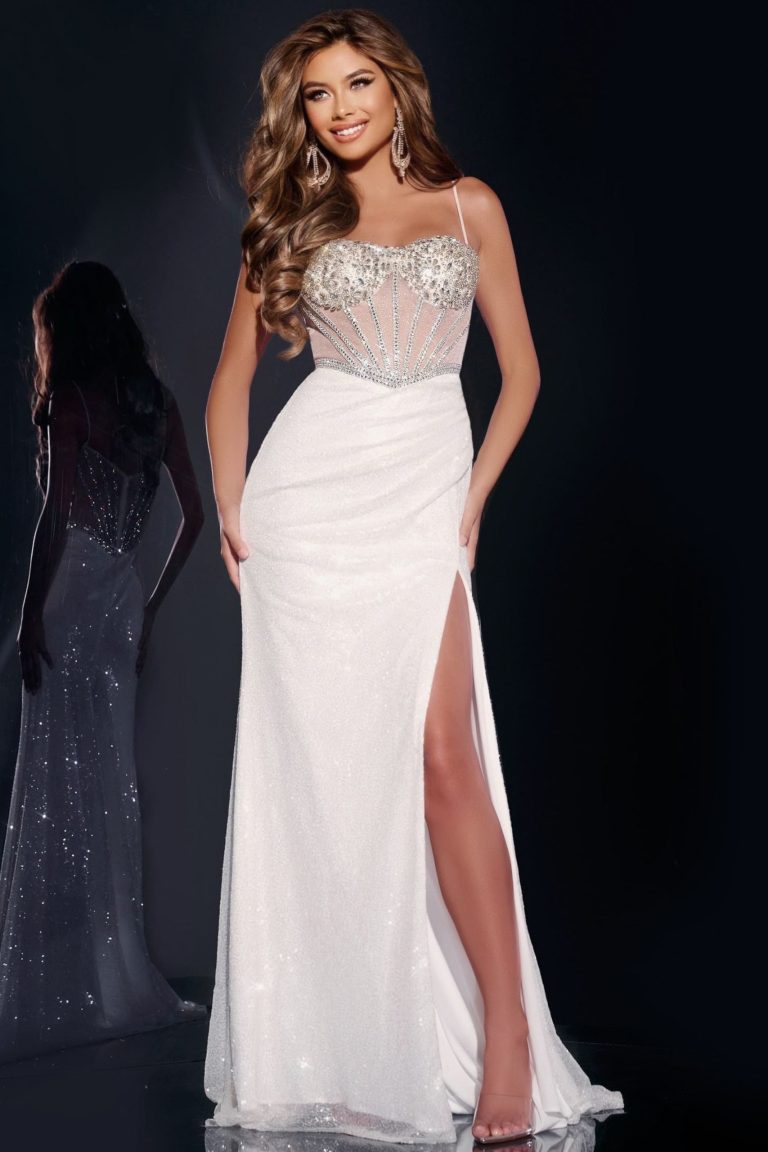
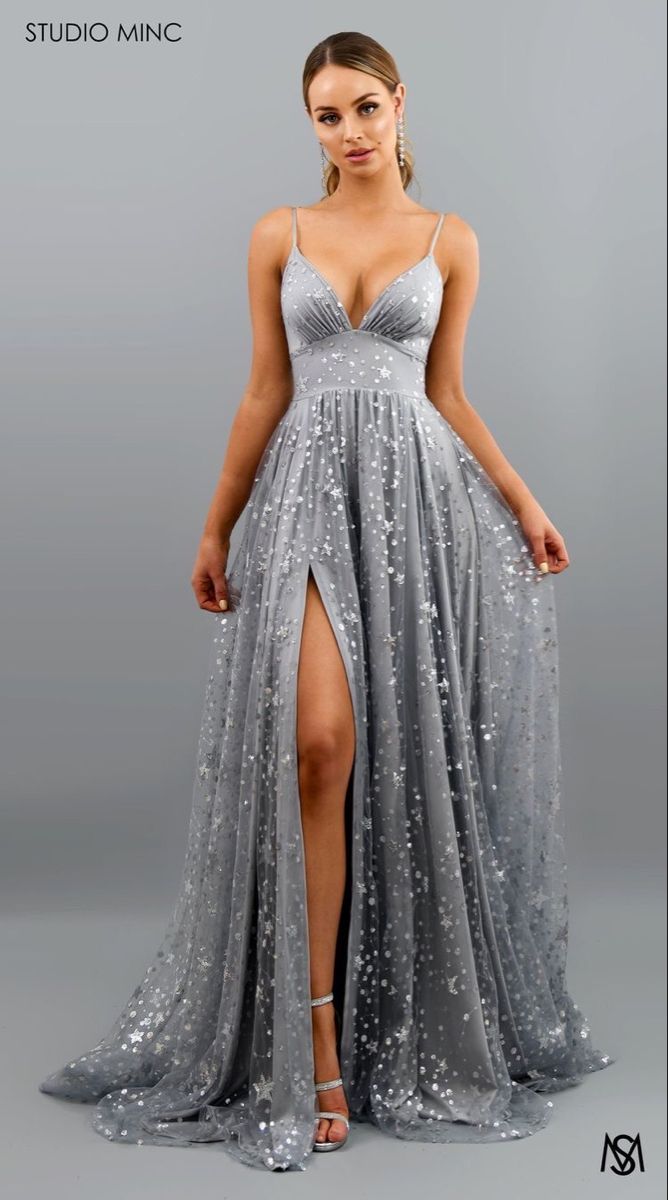
Floor-length gowns are standard for evening, black-tie, or formal church weddings. They create a dramatic, polished look and work well in cooler months. Tea-length dresses (hemmed between the knee and ankle) are ideal for semi-formal, outdoor, or daytime weddings. They allow for easier movement and dancing, and they showcase shoes—a detail often overlooked. Knee-length or cocktail-length dresses are best for casual or destination weddings, and they pair well with bold accessories. For black mother of the bride dresses, floor-length in rich fabrics like velvet or lace is a popular choice for evening formality, while tea-length in crepe or chiffon suits afternoon celebrations.
Addressing Common Questions and Misconceptions
Can I wear black to my daughter’s wedding?
Yes, wearing black is perfectly acceptable for a mother of the bride, provided it fits the wedding’s tone. Black is a sophisticated, slimming color that works well for evening weddings or formal events. The key is to choose a dress with interesting texture, lace, or beading to ensure it feels celebratory. Avoid solid black that might appear too somber for a daytime or garden wedding. If in doubt, ask the bride or the planner about the overall dress code to ensure confidence in your choice.
Where can I find dresses that fit well without extensive alterations?
Start with designers who specialize in inclusive sizing and offer custom measurements. Many online retailers provide detailed size charts and fit guides. Look for dresses with adjustable features—wrap styles, stretch fabrics, corset backs, or tie belts—to minimize the need for alterations. Reading customer reviews about fit, especially from reviewers with similar height and body type, can save time and shipping costs. Some brands also offer sample sales or try-at-home programs that let you test the fit before purchasing.
Common misconceptions about mother of the bride dresses
- Muted or matronly colors are required: Modern fashion has moved past this, embracing bold colors like emerald, burgundy, and metallics, as well as sophisticated patterns like floral or geometric lace.
- You must buy a dress labeled “mother of the bride”: Many evening gowns, formal cocktail dresses, and even jumpsuits can serve the same purpose with more style and comfort. Focus on the formality and fit, not the label.
- The dress must be floor-length: While common for formal weddings, a knee-length or tea-length dress is perfectly appropriate for semi-formal or outdoor ceremonies, especially in warmer months.
Opportunities, Risks, and Practical Next Steps
The current market offers excellent opportunities for finding a unique dress. There is a wider variety of designers creating dedicated mother-of-the-bride collections. Customization is more accessible than ever, with many services offering custom colors and length adjustments. This allows for a truly one-of-a-kind look that fits perfectly.
Realistic risks to consider
- Ordering online without trying on: This can lead to fit issues, especially with complex silhouettes like mermaid or trumpet styles. Returns can be difficult or expensive, so always check the return policy before purchasing.
- Purchasing too early: Buying a dress six months in advance and then needing alterations due to weight changes can be costly. Aim to buy 8–12 weeks before the wedding, leaving time for alterations.
- Fashion regret: Avoid trends that feel too trendy or uncomfortable. A classic, well-made gown is always a safer investment than a trend you may not like in photos later.
How to learn more and compare options
Start a mood board with colors and silhouettes you admire. Look at bridal magazines, Pinterest boards, and online retailer galleries to identify repeating patterns and styles. When you find a few favorite options, compare them based on fabric, return policy, and sizing flexibility. Pay attention to fabric weight and seasonality—a heavy satin gown may be uncomfortable for a summer garden wedding.
Consider creating a shortlist of three to five dresses and reading reviews from other mothers. Many retailers offer virtual consultations or detailed video descriptions. Taking these steps will help narrow down the search and build confidence in your final choice. Stay informed about new collections by signing up for newsletters from trusted formalwear brands.
Final Guidance for a Confident Choice
Choosing a dress for your daughter’s wedding is a significant moment that blends personal style with family tradition. The growing interest in black mother of the bride dresses reflects a broader move toward celebration, authenticity, and inclusive fashion. By focusing on fit, color, and comfort, and by avoiding common misconceptions, any mother can find a gown that makes her feel beautiful and respected.
The process is a journey of collaboration and discovery. Trust your instincts, communicate openly with the bride, and enjoy the experience of preparing for a day that honors both family and new beginnings. Whether you opt for a classic floor-length gown in rich black lace or a chic tea-length dress with metallic accents, the most important element is that you feel confident, comfortable, and ready to celebrate your daughter’s milestone in style.