
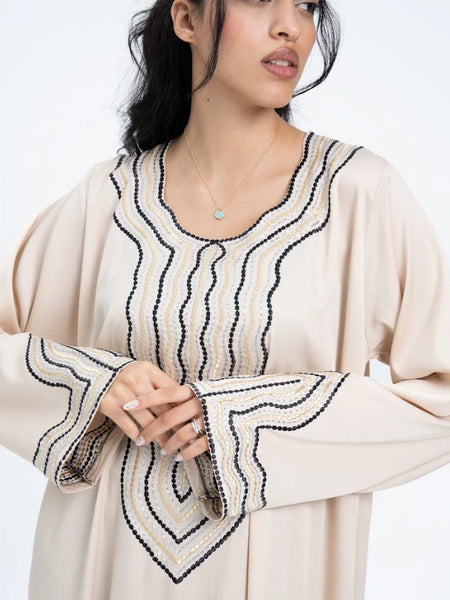
Islamic Wedding Clothes: 12 Common Mistakes and How to Avoid Them
Choosing wedding attire for an Islamic ceremony is a beautiful yet sometimes confusing process. Whether you’re a bride or groom selecting your own outfit, a guest attending your first Islamic wedding, or someone planning to honor cultural traditions, understanding the nuances of islamic wedding clothes and fashion can feel overwhelming. This guide addresses the most common styling mistakes people make when it comes to Islamic wedding attire, offering practical advice that respects both religious principles and cultural diversity.
The key to dressing appropriately for Islamic weddings is understanding that “Islamic” encompasses a remarkably diverse range of traditions spanning South Asia, the Arab world, Turkey, Persia, North Africa, and Southeast Asia. What remains constant across all traditions is a commitment to modesty, while the specific expression of that modesty varies significantly by culture, region, and family preference.
Understanding the Diversity of Islamic Wedding Traditions
Before diving into specific mistakes, it is essential to recognize that Islamic wedding attire cannot be reduced to a single template. The Islamic faith provides guiding principles around modesty and dignity, but the expression of these principles takes countless forms depending on cultural context.
In South Asian traditions, brides often wear elaborate lehengas, shararas, or lenghas with intricate embroidery, while grooms may opt for richly decorated sherwanis. Arab weddings frequently feature elegant abayas for brides and thobes or bishts for grooms. Turkish brides might wear traditional bindalli pieces, while Persian weddings showcase the beautiful kamancheh silhouette. North African celebrations embrace colorful caftans and takchitas, and Southeast Asian traditions feature baju kurung and songket fabrics.
The ceremonies themselves also vary. The Nikah serves as the Islamic marriage contract ceremony and typically calls for modest, dignified attire. The Mehndi celebration focuses on henna traditions and often embraces brighter colors with a more relaxed atmosphere. The Walima reception celebrates the marriage publicly and may allow for more glamorous presentations. Understanding which event you are attending helps inform your outfit choices.
Dress Code Expectations by Ceremony Type
| Ceremony | Typical Atmosphere | Recommended Attire Focus | Color Guidance |
|---|---|---|---|
| Nikah | Spiritual, formal, intimate | Most modest, elegant presentation; bride and groom at their most covered | Often white, ivory, or culturally significant colors; avoid white unless approved |
| Mehndi | Joyful, celebratory, relaxed | Colorful, playful ensembles; vibrant lenghas or coordinated guest attire | Bright, festive colors welcomed; some families request specific colors |
| Walima | Glamorous, public celebration | Finest attire; statement pieces and celebratory styling encouraged | Festive, formal colors; dress to impress |
Mistake #1: Assuming All Muslims Avoid White
One of the most pervasive misconceptions about Islamic wedding dress is that white is forbidden. This belief stems from confusion with mourning practices in certain cultures, where white clothing is worn during periods of grief. However, many Muslim brides across South Asian, Arab, and Persian traditions wear white or ivory on their wedding day.
The reality is that color choices in Islamic wedding attire depend entirely on cultural background and personal preference. Pakistani and Indian brides frequently wear white or ivory lenghas and lehengas, often accented with colorful embroidery. Some Arab brides choose pristine white thobes or abayas, particularly for the Nikah ceremony. Persian brides may wear white alongside traditional red elements.
Rather than avoiding white based on a perceived universal prohibition, research the specific traditions of the wedding you are attending. When in doubt, ask the couple or their family about their preferences. The most important consideration is honoring the wishes of those getting married.
Mistake #2: Overloading with Modesty Without Considering Comfort
Many brides make the mistake of choosing wedding outfits that are technically modest but practically unbearable during long ceremonies. Islamic weddings can span several hours, with some celebrations extending across multiple events throughout a single day or even a weekend.
Heavy embellishments, multiple layers, restrictive cuts, and non-breathable fabrics can transform what should be a joyful celebration into an uncomfortable ordeal. Brides who cannot move freely, sit comfortably, or enjoy their food because of overly constrictive outfits often look back on their wedding photos with regret.
Balancing modesty with comfort requires thoughtful planning. Choose breathable fabrics like cotton blends, lightweight chiffons, or breathable silks, especially for warm climates or long events. Strategic layering allows you to achieve modesty without overheating. Consider the weight of heavily embellished garments and whether you can realistically wear them for extended periods. Test your complete outfit at home before the wedding day, including undergarments and any base layers.
Mistake #3: Ignoring Regional and Cultural Specifics
Applying one cultural tradition to all Islamic weddings represents a significant mistake that can result in inappropriate attire choices. The style appropriate for a Pakistani wedding may be entirely wrong for a Moroccan or Turkish celebration, and vice versa.
South Asian wedding fashion emphasizes vibrant colors, elaborate embroidery, and specific silhouettes like lehengas and sherwanis. Arab wedding traditions often favor simpler, more flowing lines with emphasis on fabric quality over heavy embellishment. Turkish bridal wear incorporates traditional bindalli elements with distinctive styling techniques. North African celebrations feature caftans with specific draping styles and takchita construction.
Southeast Asian Islamic wedding attire, found in Malaysia, Indonesia, and Brunei, embraces baju kurung styles and songket fabrics with regional characteristics. Persian weddings showcase unique silhouettes and color combinations that differ from both Arab and South Asian traditions.
When attending a wedding from a culture unfamiliar to you, take time to research the specific traditions. Ask appropriate questions of hosts or friends familiar with the culture. Understanding regional specifics demonstrates respect and ensures your attire choices are appropriate.
Mistake #4: Guest Attire Errors for Non-Muslim Attendees
Non-Muslim guests attending Islamic weddings often feel uncertain about appropriate attire. Several common mistakes can inadvertently cause offense or discomfort.
The most frequent guest errors include wearing clothing that is too revealing, with low necklines, short hemlines, or see-through fabrics. Islamic weddings generally expect guests to maintain modesty by covering shoulders and knees. Even for less conservative celebrations, presenting yourself in revealing clothing can make hosts uncomfortable and distract from the ceremony’s significance.
Another common mistake involves dressing too casually. Islamic weddings are formal celebrations, and treating them like casual gatherings suggests disrespect. Even if the invitation does not specify formal attire, erring on the side of dressiness shows appropriate respect.
Wearing white without checking preferences can also cause awkwardness, particularly at more traditional celebrations where white is reserved for the bride. When uncertain, choose other colors or soft pastels that will not compete with the bride’s outfit.
Practical suggestions for modest yet stylish guest outfits include elegant maxi dresses in respectful cuts, formal pantsuits with modest tops, or coordinated separates that cover shoulders and knees. Choose fabrics that look polished rather than casual, and opt for celebratory colors that honor the joyful occasion.
Mistake #5: Neglecting Hijab Styling Coordination
For hijabi brides and guests, styling the hijab with wedding attire presents unique challenges that deserve careful attention. Common mistakes in this area can detract from an otherwise beautiful outfit.
Fabric mismatching occurs when hijab material clashes with the outfit’s weight or drape. A heavy, embellished outfit paired with a lightweight slippery hijab will shift throughout the event. Conversely, a heavily structured hijab paired with delicate fabrics can overwhelm the overall look. The hijab fabric should complement rather than compete with your outfit.
Undercap discomfort often goes overlooked until the wedding day. An uncomfortable undercap worn for hours can become unbearable, leading to constant adjustments and distraction from the celebration. Choose undercaps made from breathable, soft materials that do not irritate skin or cause overheating.
Security represents another major concern. Hijabs that come loose during ceremonies create constant worry and require frequent adjustment. This is particularly problematic during photo sessions, the Walima reception, or when greeting guests. Pre-plan your hijab style with appropriate pins, undercaps, and styling techniques that will hold throughout the entire event.
For brides, consider pre-styled bridal hijab options that are sewn or heavily secured for complete peace of mind. Some brides work with hijab stylists to create custom looks that coordinate perfectly with their outfit while remaining secure throughout the celebration.
Mistake #6: Confusing Cultural Tradition with Religious Requirement
This distinction represents perhaps the most critical concept in understanding Islamic wedding attire. Many conflicts and mistakes arise from genuine confusion about which elements are universal Islamic requirements and which are culturally specific practices.
Religious requirements in Islamic wedding dress generally focus on modesty principles that apply across all traditions. These include covering what is considered private (the aurat), avoiding clothing that is transparently see-through, and refraining from tight-fitting garments that clearly outline body shape. These principles provide a framework rather than specific outfit prescriptions.
Cultural traditions vary enormously and include elements like specific colors associated with particular cultures, garment types unique to certain regions, traditions around henna application, and expectations for reception versus ceremony attire. A specific shade of red preferred in South Asian weddings, the white thobe common in Gulf countries, or the particular styling of a Turkish bindalli all represent cultural rather than religious choices.
Understanding this distinction prevents two common errors. First, assuming that a cultural practice is a universal religious mandate creates unnecessary restrictions and can cause confusion when encountering different traditions. Second, dismissing culturally significant dress codes as mere preferences overlooks their importance to families and communities.
The solution involves researching the specific traditions of any wedding you attend and approaching different practices with curiosity and respect rather than judgment.
Mistake #7: Fabric Failures for Extended Wear
Fabric selection significantly impacts comfort during Islamic weddings, where events can extend for many hours across potentially multiple days of celebration. Choosing inappropriate fabrics represents a mistake that can diminish your enjoyment of the occasion.
Non-breathable materials pose particular problems at warm-climate weddings or in venues with limited climate control. Synthetics that do not allow air circulation can cause overheating, sweating, and general discomfort that affects your ability to enjoy the celebration. Natural fibers like cotton, linen, and breathable silk alternatives offer comfort without sacrificing elegance.
Delicate fabrics that cannot withstand hours of continuous wear create practical problems. If your outfit requires constant adjustment, cannot handle sitting and standing repeatedly, or shows every wrinkle, you will spend more time worrying about your appearance than enjoying the event. Choose fabrics that maintain their beauty despite extended wear.
Weight considerations matter enormously for bridal and formal wear. Heavily embellished garments that seem manageable during a brief fitting can become exhausting over hours of wear. This is especially important for outdoor ceremonies, warm-weather celebrations, or events without adequate seating arrangements.
Humidity and venue temperature should inform your fabric choices. A fabric perfect for an air-conditioned hotel ballroom may be entirely wrong for a summer garden ceremony. Always consider the actual conditions of your event when selecting materials.
Mistake #8: Inappropriate Transitions Between Events
Many Islamic weddings include multiple distinct events, each with different dress code expectations. Wearing the same outfit for all celebrations without considering their distinct requirements represents a significant styling mistake.
The Nikah ceremony typically calls for the most modest presentation. Brides and grooms often wear their most covered, elegant ensembles for this spiritually significant moment. Wearing the same elaborate outfit to the Mehndi celebration, where playfulness and color are encouraged, may feel mismatched to the atmosphere.
Mehndi events embrace joy and celebration, often featuring bright colors, creative outfits, and more relaxed styling. This is the occasion for that vibrant lengha or playful ensemble you might not wear during the formal Nikah. Some families expect guests to dress in specific colors for Mehndi celebrations.
The Walima reception may allow for the most glamorous presentation, with opportunities for statement pieces and celebratory styling. Some couples encourage guests to dress in their finest for this public celebration of their marriage.
Planning outfit transitions requires understanding the expectations for each event and either preparing multiple outfits or choosing versatile pieces that work across contexts. When uncertain, ask your hosts about expectations for each celebration.
Mistake #9: Disregarding Family and Community Expectations
While personal style matters and self-expression has its place, completely disregarding family or community expectations for wedding attire can create unnecessary conflict during what should be a joyful occasion. Navigating this balance requires diplomacy and respect.
Many families hold strong views about wedding attire based on cultural traditions, religious interpretations, or simply family preferences. These expectations often reflect deep meanings, whether connection to heritage, respect for ancestors, or honoring specific traditions that the family values.
Brides and grooms who choose wedding attire that significantly clashes with family expectations may find themselves facing unnecessary tension during an already stressful time. Conversely, completely abandoning personal style in favor of every family preference can lead to regret.
The solution involves open communication with family members about expectations and their underlying reasons. Often, families are more flexible than they initially appear, but they appreciate being consulted rather than surprised. Look for creative ways to honor both family traditions and personal preferences. A skilled tailor or designer can often incorporate family-expected elements with personal touches that satisfy both concerns.
Remember that your wedding celebration includes your family and community, and honoring their reasonable expectations contributes to the harmonious celebration you deserve.
Mistake #10: Over-Accessorizing or Under-Accessorizing
Finding the right balance with accessories represents a common challenge in Islamic wedding styling. Both extremes, over-accessorizing and under-accessorizing, can undermine an otherwise well-chosen outfit.
Brides sometimes overwhelm their modest outfits with excessive jewelry, elaborate headpieces, and multiple accessory layers that compete for attention. While celebration calls for embellishment, too many statement pieces create visual chaos rather than elegance. Modest wedding attire benefits from strategic accessory choices that enhance rather than overwhelm.
The opposite extreme occurs when guests (and sometimes brides) under-accessorize at formal Islamic weddings. Showing up to a glamorous celebration with no accessories whatsoever can appear as though you are not participating in the joy of the occasion. Even modest outfits benefit from thoughtful touches like elegant earrings, coordinated pieces, or traditional accessories appropriate to the celebration style.
Complementary accessories enhance modest wedding attire by adding polish and celebration without compromising modesty principles. Choose one or two statement pieces rather than layering many competing elements. Coordinate metals and styles with your outfit’s overall aesthetic. Consider traditional accessories that honor cultural expectations while adding personal flair.
Mistake #11: Failing to Research Specific Tradition Requirements
Assuming one-size-fits-all knowledge about Islamic wedding attire leads to many avoidable mistakes. The diversity of traditions means that generalizations often prove incorrect.
Before any Islamic wedding, whether as participant or guest, take time to research the specific cultural and religious expectations of that particular celebration. What is appropriate at one wedding may be inappropriate at another, even within the same city or community.
Appropriate questions to ask include those about modesty requirements and whether specific coverage is expected for the Nikah, Mehndi, Walima, or other events. Inquire about color preferences and whether any colors should be avoided. Ask about the formality level expected for guests and whether specific dress codes apply.
These questions, asked respectfully, generally are welcomed rather than resented. Most hosts appreciate guests who want to honor their traditions appropriately. Frame questions positively, expressing your desire to show appropriate respect.
When researching independently, remember that online resources provide general guidance but cannot capture the specific expectations of particular families and communities. Direct communication remains the most reliable approach.
Conclusion: Honoring Traditions While Celebrating Individuality
Avoiding common mistakes in Islamic wedding attire comes down to three foundational principles that guide thoughtful dressing for these celebrations.
First, respect the remarkable diversity within Islamic traditions. The Islamic faith encompasses countless cultural expressions, and wedding attire reflects this beautiful variety. Approaching any Islamic wedding with curiosity and openness, rather than assumptions based on limited exposure, serves you well in making appropriate choices.
Second, clearly distinguish between religious modesty guidelines and cultural preferences. Universal Islamic principles focus on dignity and modest covering, while specific colors, garment types, and styling choices reflect cultural heritage. Understanding this distinction prevents both unnecessary restrictions and inadvertent cultural dismissals.
Third, prioritize comfort alongside celebration. Islamic weddings often involve extended events, multiple ceremonies, and hours of wearing formal attire. Choosing fabrics, fits, and styling that allow you to fully enjoy the celebration ensures you will remember your experience fondly.
Whether you are selecting your own bridal ensemble, styling your groom for the big day, or choosing appropriate guest attire, these principles guide confident, informed choices. Islamic wedding fashion is rich, varied, and continually evolving, embracing both deep-rooted traditions and contemporary personal expression. By approaching these celebrations with respect, research, and thoughtful attention to both cultural expectations and practical considerations, you contribute to the harmonious joy that Islamic weddings are meant to celebrate.
Quick Reference Guide for Islamic Wedding Clothes
- Research the specific cultural tradition before assuming dress code expectations
- Ask respectfully about color preferences, modesty requirements, and formality levels
- Prepare multiple outfits for different events when possible (Nikah, Mehndi, Walima)
- Test your complete outfit at home before the wedding day, including undergarments
- Choose breathable fabrics appropriate for climate and event duration
- Balance modesty with comfort to ensure you can enjoy the celebration fully
- Coordinate hijab styling with outfit weight, fabric, and security needs
- Accessorize thoughtfully with complementary pieces rather than overwhelming ensembles
- Distinguish religious principles from cultural preferences in your approach
- Communicate openly with family about expectations and personal style preferences
Frequently Asked Questions
Can Muslim brides wear white at their wedding?
Yes, many Muslim brides wear white or ivory. This is common in South Asian, Arab, and Persian traditions. The idea that white is forbidden comes from confusion with mourning practices in some cultures, but it is not a universal Islamic rule. Color choice depends on cultural background and personal preference.
What is the biggest mistake guests make when attending an Islamic wedding?
The most common guest mistakes include wearing revealing clothing with low necklines or short hemlines, dressing too casually for formal ceremonies, or wearing white without checking the couple’s preference. Modest, respectful attire that covers shoulders and knees is generally expected.
How do I style a hijab for a wedding without it falling out?
Use a secure undercap that covers your hairline, choose hijabs made from non-slippery fabric, and place pins strategically. Test your style beforehand and carry emergency pins for long events. Some brides opt for pre-styled bridal hijab options that are sewn or heavily secured for complete confidence.
What is the difference between cultural traditions and religious requirements in Islamic wedding dress?
Religious requirements generally focus on modesty principles like covering private areas and avoiding tight-fitting clothing that shows body shape. Cultural traditions vary widely and include specific colors, garment types like lehenga or thobe, Mehndi outfit styles, and reception attire. Always research the specific traditions of the wedding you are attending.
How should I choose wedding fabrics for comfort during long ceremonies?
Avoid heavy, non-breathable fabrics in warm conditions. Choose natural fibers like cotton blends, lightweight chiffon, or breathable silk for layered looks. Test your complete outfit, including undergarments and base layers, at home before the wedding day to ensure all-day comfort.
Do different Islamic wedding events require different outfits?
Often, yes. Nikah ceremonies typically call for modest, elegant attire. Mehndi events often embrace color and playfulness. Walima receptions may allow more glamour. Some couples prefer guests dress differently for each event. Check with your hosts or the invitation for specific guidance.
What are regional variations in Islamic wedding attire I should know about?
Major variations include South Asian traditions featuring lehenga and sherwani with vibrant colors, Arab styles with thobe and bisht for grooms, Turkish bridal bindalli pieces, Persian kamancheh silhouettes, North African caftan and takchita traditions, and Southeast Asian baju kurung and songket. Each has distinct styling expectations worth researching.
How can I dress appropriately for an Islamic wedding if I’m not Muslim?
Non-Muslim guests should focus on modest, formal attire that covers shoulders and knees. Avoid white unless explicitly approved by the couple, as white is traditionally reserved for the bride. Choose elegant, celebratory colors and fabrics that show respect for the occasion. When uncertain, ask the hosts about specific expectations.
What should hijabi brides consider when choosing wedding photography-friendly outfits?
Consider how your outfit photographs under different lighting conditions. Heavily embellished areas may photograph differently than matte fabrics. Test your outfit’s appearance in photos before the wedding day. Ensure hijab security for photo sessions that may last hours, and consider how fabric movement will appear in motion shots.
How do I balance cultural appropriation with cultural appreciation when choosing Islamic wedding attire?
Cultural appreciation involves learning about traditions respectfully and honoring them when invited to participate. Avoid wearing ceremonial pieces specifically sacred to a culture (such as sacred jewelry or ceremonial garments) without understanding their significance. When in doubt, ask members of that community how to appropriately engage with their traditions.

Author and contributor.