
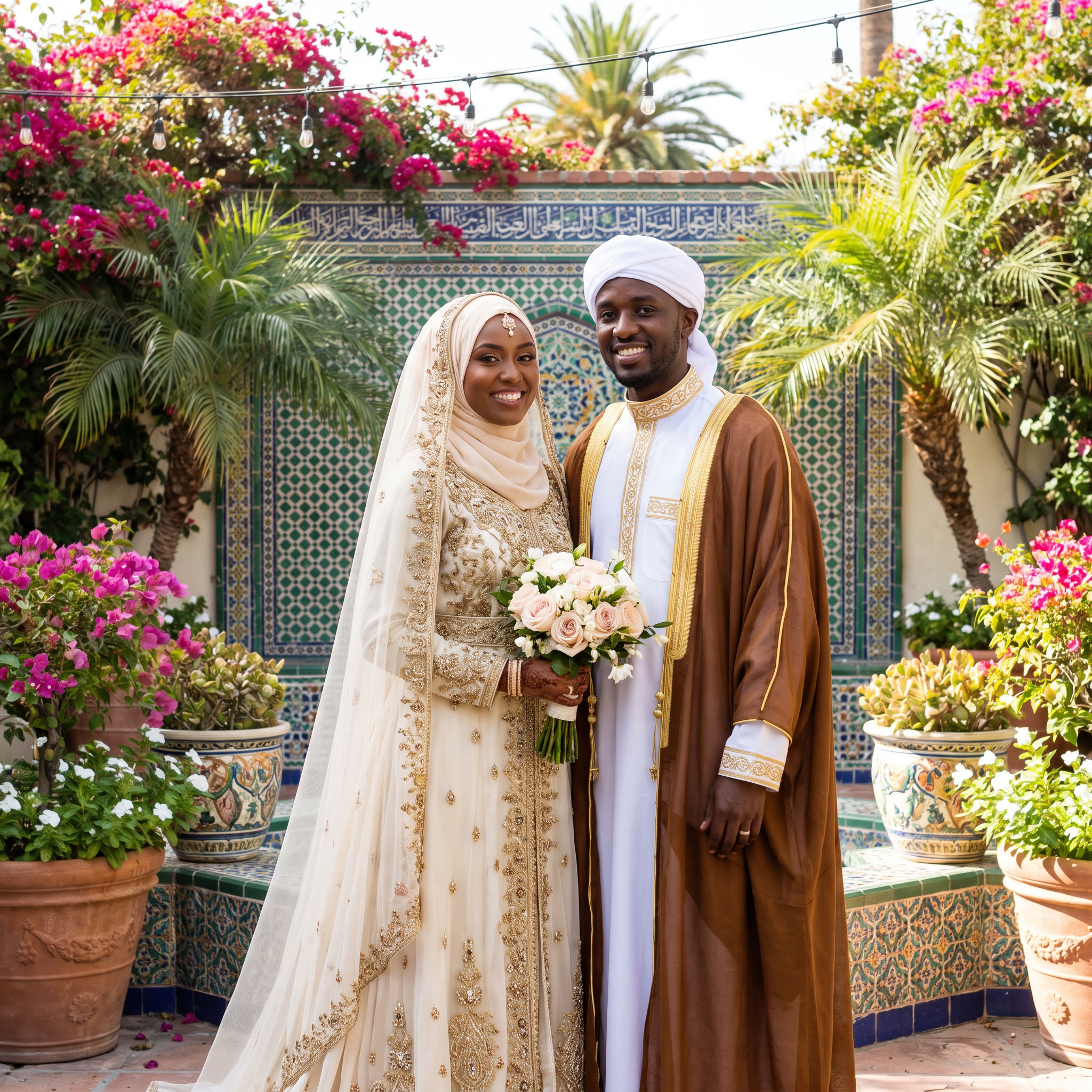
Islamic Wedding Clothes: A Complete Guide to Traditional and Modern Modest Wedding Attire
Islamic wedding clothes encompass a rich diversity of modest bridal and groom attire across cultures including Islamic wedding attire from South Asian lehengas to Middle Eastern thobes, each reflecting centuries of textile artistry and cultural heritage. From the silk-embroidered lehengas of Pakistani and Indian celebrations to the elegant thobes worn across Saudi Arabia, UAE, and the broader Gulf region, the garments chosen for these sacred ceremonies carry deep cultural significance while reflecting personal choices about modesty, beauty, and heritage. This guide celebrates the extraordinary diversity of Muslim wedding fashion while providing practical guidance for couples planning their celebrations, guests navigating dress codes, and anyone curious about the rich tapestry of modest wedding attire.
Understanding Islamic Wedding Ceremonies: Nikah vs. Walima Attire
Before exploring specific garments, it helps to understand the structure of Islamic wedding celebrations, as attire expectations often differ between ceremony types.
- The Nikah represents the marriage contract ceremony—an intimate gathering where the couple formally commits to their union in the presence of witnesses and often an officiant. This event typically emphasizes the spiritual and legal significance of the marriage.
- The Walima, following the Nikah, serves as the celebratory reception—a festive gathering that welcomes the couple into their new life together while allowing families and communities to share in their joy.
Attire for these two occasions often follows different formality levels, with many couples choosing to wear distinct outfits for each celebration.
- For the Nikah, couples may opt for semi-formal to formal traditional attire depending on their cultural background and personal preferences.
- The Walima, being the larger celebration, typically calls for more elaborate and ornate garments, giving brides especially the opportunity to wear their most stunning traditional pieces.
Cultural Diversity in Islamic Wedding Fashion
One of the most important things to understand about Islamic wedding clothes is that no single style represents all Muslim weddings. The Islamic world spans from Morocco to Indonesia, from Turkey to Nigeria, and each region has developed distinctive wedding traditions over centuries of cultural development.
Regional Overview Table
| Region | Key Bridal Garments | Typical Colors | Signature Details |
|---|---|---|---|
| South Asia (Pakistan, India, Bangladesh) | Lehenga, Saree | Red, gold, maroon | Zardozi embroidery, crystal embellishments |
| Middle East (Saudi Arabia, UAE, Qatar) | Abaya, regional gowns | White, cream, pastel | Intricate beadwork, lace |
| North Africa (Morocco, Tunisia, Egypt) | Caftan, Takchita | Jewel tones, cream, silver | Hand embroidery, silver threading |
| Southeast Asia (Malaysia, Indonesia) | Baju Kurung, Baju Kebaya | Varied, pastel | Songket, batik, gold threading |
| Turkey & Balkans | Regional gowns, formal suits | Varied | Traditional embellishments |
| Iran | Traditional Persian gowns | Red, gold, green | Persian embroidery patterns |
When a person from South Asia envisions an Islamic wedding, they often picture vibrant, heavily embellished garments inspired by Mughal aesthetics. Someone from the Middle East might imagine elegant simplicity with exquisite fabric work. Meanwhile, North African celebrations feature distinctive Caftan traditions from Morocco, Tunisia, and Egypt, and Southeast Asian Muslim weddings in Malaysia, Indonesia, Brunei, and southern Thailand blend local textile heritage with Islamic modesty principles.
This cultural diversity means that advice about Islamic wedding attire must always be understood as culturally specific rather than universally applicable. The elaborate gold embroidery popular in Pakistani and Indian Muslim weddings reflects those regions’ textile traditions, not an Islamic requirement. The simpler elegance often preferred in Gulf-region celebrations in Saudi Arabia, UAE, and Qatar represents different aesthetic values that developed in those specific cultures.
When exploring Islamic wedding fashion, therefore, it helps to think in terms of regional traditions: South Asian, Middle Eastern, North African, Southeast Asian, Balkan, African, and diaspora communities that blend multiple heritage influences. Each category contains further variation based on family preferences, local customs, and individual taste.
Traditional Bridal Attire Across Muslim Cultures
South Asian Bridal Fashion (Pakistan, India, Bangladesh)
Bridal garments in Islamic wedding traditions showcase some of the world’s finest textile arts. In South Asian Muslim communities—Pakistani, Indian, and Bangladeshi—brides commonly wear Lehenga, which consists of:
- Lehenga: A long skirt, often in silk, velvet, or organza
- Choli: A fitted blouse
- Dupatta: A draped scarf
These garments feature extensive hand embroidery using gold thread (Zardozi), crystal embellishments, and sometimes precious stones. The craftsmanship on elaborate bridal Lehengas can require significant skilled artisan work, with production timelines varying by design complexity.
The Saree remains popular in certain South Asian communities, offering an elegant drape that allows for elaborate blouse work while maintaining modesty standards. Modern brides sometimes choose designer fusion pieces that combine elements of both traditional and contemporary silhouettes.
Middle Eastern Bridal Fashion (Gulf Region, Levant)
In Middle Eastern traditions, brides may wear decorated Abayas—flowing outer garments that cover the body—paired with elaborate headpieces and jewelry. The Abaya serves as a base garment, with the bridal version featuring significant embellishment around the neckline, cuffs, and hem.
Some brides in Saudi Arabia, UAE, and other Gulf countries opt for traditional regional gowns that combine modest silhouettes with intricate embroidery or beadwork specific to their country of origin. Jordanian and Lebanese traditions often feature distinct wedding dress styles with regional characteristics.
North African Bridal Fashion (Morocco, Tunisia, Egypt)
North African Muslim brides traditionally wear hand-embroidered Caftans (known as Takchita in Morocco), often in rich jewel tones or cream colors. Silver threadwork is particularly prized in Moroccan traditions.
Egyptian wedding traditions include the Zaffa, a grand procession featuring the bride and groom, where traditional attire takes center stage. These garments showcase the exceptional needlework skills developed over generations in communities where wedding clothing often represents a bride’s family status and the community’s artistic heritage.
Southeast Asian Bridal Fashion (Malaysia, Indonesia)
Southeast Asian Muslim brides—from Malaysia, Indonesia, Brunei, and southern Thailand—often wear Baju Kurung or Baju Kebaya, elegant tunic-style garments paired with fitted blouses and flowing skirts.
These traditions incorporate local textile artistry, including:
- Songket: Hand-woven silk with gold threads
- Batik: Traditional wax-dyed fabric prints
These create wedding attire that reflects both Islamic values and Southeast Asian cultural identity.
Afghan and Central Asian Traditions
Afghan wedding traditions feature distinctive attire including the Drup—traditional embroidered bridal dress—and elaborate gold jewelry. Pakistani Baloch communities have their own wedding attire traditions distinct from Punjabi or Sindhi styles.
It bears repeating that these garments represent cultural choices rather than religious requirements. A bride from any background might choose different attire based on family preferences, personal style, and regional customs. The common thread is not a specific garment but rather an emphasis on modest silhouettes and often, elaborate decoration that reflects the celebratory nature of the occasion.
Groom’s Wedding Attire: From Sherwani to Thobe
Grooms across Islamic wedding traditions also have rich options for traditional formal attire. Here’s a comparison of regional groom’s attire:
Groom Attire by Region
| Region | Traditional Garment | Accessories | Formal Variation |
|---|---|---|---|
| South Asia | Sherwani, Kurta, Churidar | Turban (Pagri/Safa), traditional shoes | Embroidered Sherwani over Kurta |
| Middle East | Thobe (white robe) | Bisht (decorative cloak), embroidered cap | Bisht with gold/silver embroidery |
| North Africa | Djellaba, formal suit | Traditional accessories | Western-style formal suit |
| Turkey | Formal regional garments, suit | Varies by region | Stylized formal attire |
South Asian Groom’s Attire
In South Asian Muslim weddings, the Sherwani stands as the most iconic groom’s garment—a long coat-like garment reaching to the knee or below, typically constructed from heavy fabrics like silk or brocade and often featuring elaborate embroidery matching or complementing the bride’s outfit.
Underneath the Sherwani, grooms wear Kurta (long tunic) and Churidar (fitted trousers), creating a layered formal look.
- The Kurta without the Sherwani overlay offers a slightly less formal option that many grooms choose for the Nikah ceremony, reserving the Sherwani for the Walima celebration.
- Modern grooms sometimes incorporate Western elements, wearing tailored suits with traditional accessories like embroidered waistcoats or turbans.
Middle Eastern Groom’s Attire
Middle Eastern grooms traditionally wear the Thobe—a long white robe characteristic of daily dress in many Arab countries—for both casual and formal occasions.
For weddings, the Bisht takes center stage. This decorative cloak, worn over the Thobe, features embroidered hems in gold or silver thread and drapes elegantly across the shoulders. The Bisht represents the ultimate in formal dress for Arab wedding celebrations, and its placement during the ceremony often carries symbolic meaning about the groom’s new status and responsibilities.
Turban variations include the Pagri in some South Asian traditions and Safa in others, often made from elaborately wrapped fabric that may coordinate with the bride’s outfit.
North African and Other Regional Groom’s Attire
North African grooms may wear traditional Djellaba (hooded robes) or smart Western suits with traditional accessories. In Turkish and Balkan Muslim communities, grooms sometimes wear stylized formal suits or traditional regional garments that reflect local customs.
Regardless of cultural background, groom’s attire typically emphasizes clean lines, quality fabrics, and formal presentation. The overall effect should convey respect for the occasion while allowing the groom to feel comfortable throughout the celebration’s various events.
Colors, Symbolism, and Meaning in Wedding Attire
Color choices in Islamic wedding clothes carry significant cultural meaning, though these associations vary dramatically by region.
Color Symbolism by Culture
- South Asian traditions: Red represents prosperity, fertility, and the sacredness of the marriage bond. Gold symbolizes wealth and the couple’s bright future.
- Middle Eastern traditions: White and cream symbolize purity and new beginnings.
- Green: Represents paradise and the Prophet’s favored color, appearing in some regional traditions.
- Gold: Appears across nearly all Islamic wedding traditions as a symbol of prosperity, blessing, and celebration.
- Purple: Has historical associations with royalty in certain traditions.
Whether appearing as embroidery on a South Asian Lehenga, beading on a Middle Eastern Abaya, or threading in a Moroccan Caftan, gold creates visual connections between diverse cultural expressions of wedding joy.
The important takeaway is that color choices in Islamic wedding clothes reflect cultural heritage and personal preference rather than religious doctrine. Couples should feel free to choose colors that resonate with their family traditions and individual styles, understanding that there is no single “correct” color for Islamic wedding celebrations.
Modesty Considerations: Personal Choice vs. Religious Guidance
Questions about modesty requirements often arise when discussing Islamic wedding clothes, and these deserve thoughtful, nuanced responses. Islam as a religion emphasizes general principles of modest dressing, but does not mandate specific garments for wedding celebrations. The Quran’s guidance about modesty (Haya) encourages believers to dress in ways that reflect dignity and respect, with specifics varying by interpretation, culture, and individual choice.
Key Points About Modesty in Islamic Wedding Fashion
- Coverage standards differ significantly across Muslim communities. Some brides and their families prefer complete coverage of arms and legs, while others embrace styles that reveal more while maintaining overall modesty principles.
- Head covering (Hijab) is a personal choice that many Muslim brides incorporate into their wedding attire, while others choose not to cover their heads during the ceremony or celebration.
- Family preferences often play a significant role in these decisions. Some families hold conservative views about coverage that influence the bride’s and groom’s choices, while others take a more liberal approach that prioritizes the couple’s personal preferences.
- Economic considerations, regional customs, and generational differences all factor into how modesty manifests in wedding attire decisions.
Rather than thinking of modesty as a single standard with universal definitions, it helps to recognize that modesty in Islamic wedding fashion represents a spectrum of choices made by individual couples within their family’s cultural and religious framework.
For those planning Islamic weddings or attending as guests, the best approach involves asking about preferences when uncertain and respecting whatever choices the couple and their families have made.
Accessories, Jewelry, and Finishing Touches
No discussion of Islamic wedding clothes feels complete without addressing the accessories that transform traditional garments into breathtaking bridal and groom attire.
Mehndi (Henna) Tradition
The Mehndi ceremony, typically held the night before or earlier in the wedding celebrations, involves applying intricate temporary dye patterns to the bride’s hands and feet. These designs range from simple traditional motifs to elaborate patterns covering the arms and legs.
The symbolism of henna darkness varies across communities. In some traditions, the final stain darkness is associated with the groom’s affection, though interpretations differ by region and family custom.
Bridal Jewelry by Culture
- South Asian Muslim brides: Matha Patti (forehead ornament), Jhumka earrings, necklaces, nose ring (Nath), bangles (Chooda), Maang Tikka (forehead piece), Passab (hair accessories)
- Middle Eastern brides: Prominent gold jewelry with geometric or floral designs
- North African brides: Silver jewelry, particularly in Berber communities where it holds special cultural significance
Head Coverings and Headpieces
Head coverings for brides who choose them range from simple draped dupattas to elaborately styled hijabs adorned with pins and accessories. Some brides work with specialized consultants to create hijab styles that complement their overall wedding look while maintaining comfort throughout long celebrations.
Others incorporate traditional headpieces, tiaras, or flower crowns that serve similar functions while reflecting their cultural heritage.
Groom Accessories
Groom accessories often include formal turbans or headpieces (various styles by region), traditional watches or cufflinks, and sometimes ceremonial swords or staffs that carry cultural significance. Footwear choices—often beautifully decorated traditional shoes—complete the traditional look.
The finishing touches matter enormously in wedding attire, where photographs will capture memories for generations. Couples investing in quality traditional garments would do well to allocate attention and budget to accessories that elevate their overall presentation.
Glossary of Key Terms
Abaya: A flowing outer garment worn in Middle Eastern traditions, typically covering the body loosely.
Baju Kurung/Kebaya: Traditional tunic-style garments worn in Southeast Asian Muslim communities (Malaysia, Indonesia).
Bisht: A decorative cloak worn over the Thobe in Arab wedding celebrations.
Caftan/Takchita: Traditional North African garments, with Takchita referring specifically to the Moroccan two-piece style.
Choli: A fitted blouse worn as part of the South Asian Lehenga.
Churidar: Fitted trousers worn under Kurta or Sherwani in South Asian traditions.
Djellaba: A hooded robe worn in North African traditions.
Dupatta: A draped scarf worn as part of South Asian bridal attire.
Drup: Traditional Afghan bridal attire with elaborate embroidery.
Hijab: Head covering worn by some Muslim women; styling varies for wedding occasions.
Kurta: A long tunic worn in South Asian traditions, often under Sherwani.
Lehenga: A long skirt forming part of traditional South Asian bridal attire.
Mehndi: Temporary henna dye applied during pre-wedding ceremonies, particularly significant in South Asian traditions.
Nikah: The Islamic marriage contract ceremony.
Saree: A draped garment popular in South Asian communities, offering elegant coverage options.
Sherwani: A long coat-like garment worn by South Asian grooms for formal occasions.
Songket: Hand-woven silk fabric with gold threads, traditional in Southeast Asia.
Taariz/Ta’riiz: Traditional dress techniques found in some regional traditions.
Thobe: A long white robe worn in Arab countries, often under the Bisht for formal occasions.
Walima: The celebratory reception following the Nikah ceremony.
Zardozi: Gold thread embroidery technique traditional in South Asian bridal garments.
Zaffa: Egyptian wedding procession tradition featuring the wedding party.
Where to Buy Islamic Wedding Attire: Shopping Guide
Finding the right Islamic wedding clothes requires planning, research, and often multiple shopping experiences.
Shopping Options by Location Type
- Cultural markets and specialized boutiques: Offer the advantage of seeing and touching fabrics, trying garments, and working directly with knowledgeable staff who understand cultural expectations. Major cities with significant South Asian populations typically feature areas with numerous boutiques specializing in bridal Lehengas and Sherwanis.
- Online retailers: Have expanded dramatically for Islamic wedding attire, with numerous retailers offering extensive selections with shipping capabilities. When shopping online, allowing extra time for delivery and potential returns becomes essential.
- Custom tailors: Traditional tailors in cultural communities often welcome bridal commissions. These require significant lead time, with heavily embellished pieces often needing several months for completion depending on tailor availability and design complexity.
- Rental services: Have emerged as practical options for wedding attire that might be worn only once. Some brides choose to rent for the Walima while purchasing their primary bridal outfit.
Budget Considerations
Pricing for Islamic wedding attire varies significantly based on factors including customization level, materials chosen, and regional market conditions. Ready-to-wear options exist at various price points, while custom-designed pieces with extensive embellishment typically command higher prices. Groom’s formal wear similarly ranges based on quality, materials, and whether traditional or custom elements are included.
When building a budget, consider:
- Base garment cost
- Alterations and custom fitting
- Accessories (jewelry, headpieces, footwear)
- Potential rental versus purchase decisions
- Shipping costs if ordering online
Starting research early allows time to compare options and find pieces that balance quality, tradition, and budget constraints.
Modern Fusion and Contemporary Islamic Wedding Fashion
Contemporary designers have embraced Islamic wedding fashion, creating fusion styles that honor traditional elements while incorporating modern aesthetics. This movement reflects the reality that today’s Muslim couples navigate multiple cultural worlds and often wish their wedding attire to express both heritage and personal identity.
Fusion Design Trends
- Modern bridal designs might incorporate traditional fabrics and embroidery techniques within contemporary silhouettes—Lehenga-style skirts paired with crop tops, or flowing gowns with Islamic geometric patterns.
- Groom fashion has seen similar evolution, with designers creating Sherwanis in modern cuts, suits with subtle traditional embroidery, and ensemble options that blend formal Western and traditional Eastern elements.
- Modest fashion designers specializing in wedding attire have built significant followings, proving that modesty and fashion-forward design complement rather than contradict each other.
Diaspora Influence
Diaspora communities have contributed significantly to fusion trends, as second and third generation Muslims blend elements from their parents’ cultural traditions with styles reflecting their own upbringing.
A bride might combine Pakistani embroidery techniques with a silhouette influenced by Western wedding fashion, or a groom might wear a Sherwani in colors and fabrics designed for contemporary taste. The Barong Tagalog connections in Filipino Muslim communities represent another example of regional cultural blending.
This evolution represents not a departure from tradition but its natural development. Islamic wedding fashion has always evolved across centuries and cultures, and contemporary fusion styles continue that dynamic process while maintaining connections to the artistry and meaning embedded in traditional garments.
Attending as a Non-Muslim Guest: Etiquette and Guidance
Non-Muslim friends and family members often attend Islamic weddings and may feel uncertain about dress code expectations and appropriate behavior. Understanding a few key principles helps ensure that guests can participate fully while showing proper respect for the couple’s cultural and religious traditions.
Dress Code Guidance
Regarding dress codes, the best approach involves asking the couple or their families what they would prefer. Many Islamic weddings have relatively flexible expectations, while others prefer modest dress from all guests regardless of religious background.
When in doubt, erring toward modesty—covering shoulders and knees, avoiding overly revealing styles—demonstrates respect without requiring specific religious commitment.
General Cultural Sensitivity
- Understanding and following wedding protocols
- Attending separate-gender celebrations requires appropriate behavior
- Following cues from hosts regarding participation in various traditions
- Accepting gracious invitations to participate in ceremonies like circling the couple or joining specific dances, unless uncomfortable
Photography Considerations
Some couples prefer limited documentation of certain moments. Observing any restrictions and being mindful of posting images that others might prefer to keep private shows thoughtful respect.
Most importantly, guests should relax and enjoy the celebration. Islamic weddings are joyful occasions, and hosts generally want guests to feel welcome and included.
Quick Reference: Key Takeaways
- Islamic wedding attire varies by culture (South Asian, Middle Eastern, North African, Southeast Asian) rather than religious mandate
- The Nikah (contract ceremony) is typically more intimate than the Walima (reception)
- Modesty standards are personal choices influenced by family, culture, and individual interpretation
- Colors carry regional significance: red/gold in South Asia, white/cream in Middle East
- Plan shopping 4-6 months ahead for custom orders or significant alterations
- Budget varies significantly based on customization, materials, and regional market
- Fusion styles honor tradition while expressing contemporary identity
- Guests should dress modestly and ask about preferences when uncertain
Frequently Asked Questions
What do Muslim brides typically wear to Islamic weddings?
Muslim bridal attire varies significantly by culture and personal preference. South Asian brides often wear elaborate Lehenga or Saree, while Middle Eastern brides may choose decorated Abayas or traditional regional gowns. Many brides incorporate Hijab styling, though this is a personal choice. The key is that attire reflects cultural traditions and personal modesty preferences rather than a single mandated style.
What does the groom wear at an Islamic wedding ceremony?
Grooms typically wear formal traditional attire appropriate to their cultural background. South Asian grooms often wear Sherwani or Kurta, while Middle Eastern grooms may wear Thobe with a Bisht (decorative cloak) for formal occasions. The level of formality often increases for the Walima reception compared to the Nikah ceremony.
How do wedding attire traditions vary across different Muslim cultures?
Islamic wedding fashion reflects diverse cultural traditions. South Asian weddings feature vibrant, heavily embellished garments with gold embroidery. Middle Eastern traditions often favor elegant, simpler silhouettes with intricate details. North African weddings incorporate traditional Caftans and hand-embroidered pieces. Southeast Asian Muslim weddings blend local and Islamic influences with distinctive textile traditions.
Where can I buy modest Islamic wedding attire?
Options include cultural markets and specialized boutiques (both in-person and online), modest fashion designers who specialize in wedding attire, traditional tailors for custom creations, and increasingly, rental services for one-time wear pieces. Start shopping several months before the wedding for custom orders or alterations.
What colors are traditional for Islamic wedding clothes?
Color traditions vary by culture. South Asian Islamic weddings traditionally favor red and gold for brides, while other cultures may prefer white, cream, or pastel shades. Gold accents are widely popular across traditions. Ultimately, color choice is a personal and cultural preference rather than a religious requirement.
Are there religious requirements for wedding clothing in Islam?
Islam emphasizes modesty in dress generally, but does not mandate specific garments for weddings. Modesty standards (extent of coverage, style) vary by culture, family tradition, and individual interpretation. Wedding attire primarily reflects cultural practices and personal choices within broader principles of modest dressing.
How much does Islamic wedding attire typically cost?
Costs vary widely based on customization, materials, and cultural expectations. Pricing ranges from affordable ready-to-wear options to significantly higher amounts for custom-designed, heavily embellished pieces. Groom’s formal wear similarly varies by quality tier and style choices. Budget considerations should account for accessories, alterations, and potential rental options.
What is the difference between Nikah and Walima attire?
The Nikah (marriage contract ceremony)