
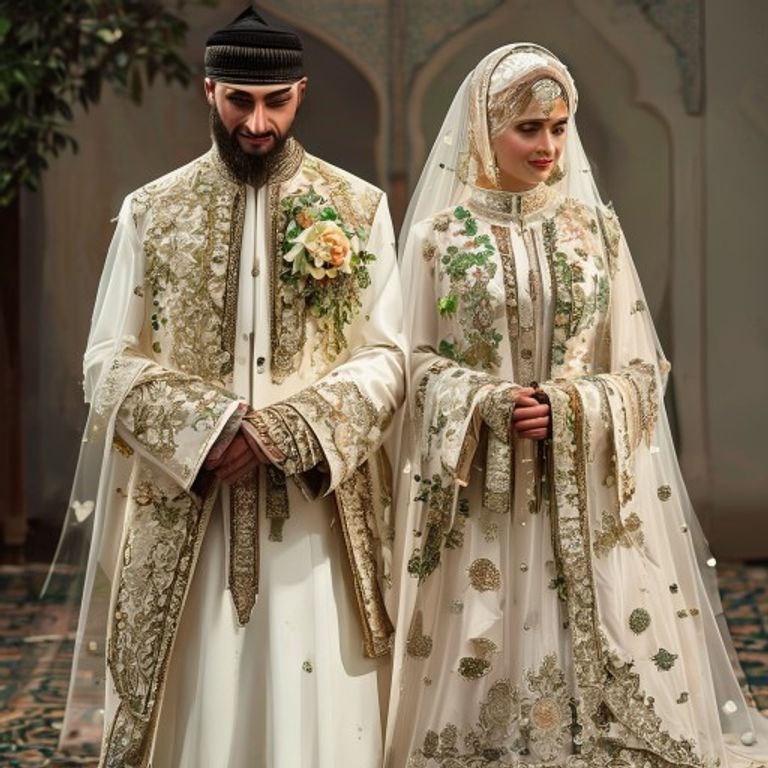
Islamic Wedding Clothes — Practical Guide
A comprehensive resource for couples seeking modest, stylish, and culturally resonant wedding attire that honors Islamic traditions while embracing modern elegance.
Whether you are a bride seeking the perfect lehenga, a groom exploring sherwani options, or a family member navigating appropriate guest attire, this guide covers everything from understanding foundational principles to managing budgets and coordinating with vendors. The goal is to empower you with knowledge that makes the process enjoyable rather than overwhelming.
1. Understanding Islamic Wedding Attire: Modesty, Culture, and Tradition
Islamic wedding attire is rooted in the principle of modesty, known as haya, which encompasses both internal humility and external presentation. Approaches to modest dress in Islamic tradition vary across different communities, schools of thought, and cultural contexts. Many interpretations emphasize covering the body in loose-fitting, non-revealing clothing while maintaining elegance and beauty. This does not mean sacrificing style; rather, it redirects focus from exposing the body to showcasing craftsmanship, color, and cultural artistry.
Note: Islamic modesty requirements and their application to wedding attire vary significantly across different traditions, regions, and individual interpretations. Couples should consult with their families and religious advisors to understand the specific expectations relevant to their situation.
Key Garment Terminology
Understanding the vocabulary of Islamic wedding attire helps when communicating with tailors, designers, and vendors. For women, common garments include the abaya, a flowing outer robe worn over other clothing; the jilbab, a longer coat-like garment covering the body; the hijab, a head covering that wraps around the head and neck; and the niqab, which covers the face leaving only the eyes visible. In South Asian traditions, the lehenga is a long skirt paired with a choli (blouse) and dupatta (scarf), while the saree remains popular in some communities.
For men, traditional options include the sherwani, a long coat-like garment worn over kurta (tunic) and churidar (fitted pants); the kurta, a collarless tunic; the thobe or dishdasha, a long robe common in Arab regions; and the imamah, a headwrap sometimes worn with formal attire.
The Balance of Modesty and Celebration
Islamic wedding attire achieves its beauty through layering, rich fabrics, intricate embellishments, and thoughtful accessories rather than through revealing cuts. A bride might wear a heavily embellished lehenga with a high neckline and long sleeves, achieving visual impact through craftsmanship rather than exposure. This philosophy extends the aesthetic of finding beauty in subtlety and skill.
2. Traditional vs. Contemporary Styles: Balancing Modesty and Modern Fashion
The tension between tradition and modernity presents exciting opportunities rather than obstacles. Today’s couples navigate this landscape by understanding that Islamic wedding attire continues to evolve with cultural influences and personal preferences. This evolution reflects the dynamic nature of cultural practice across diverse Muslim communities worldwide.
Traditional Silhouettes and Their Enduring Appeal
Traditional garments carry centuries of craftsmanship and cultural significance. The lehenga remains popular among South Asian Muslim brides, featuring elaborate embroidery, mirror work, and matching dupattas. The sherwani continues as the groom’s attire of choice, often paired with a turban (safa) and brooch (sarpech). In Arab communities, the thobe with an bisht (a semi-transparent cloak) represents formal wedding dress, often in white or cream with embroidery along the collar and front.
Modern Adaptations and Contemporary Interpretations
Contemporary designers have responded to changing tastes while respecting modesty requirements. Modern adaptations include:
- Minimalist abayas with clean lines, subtle embellishments, and contemporary cuts
- Jumpsuit lehengas combining the skirt with fitted trousers for comfort and mobility
- Palazzo-style ensembles replacing traditional fitted pants with wide-leg alternatives
- Color-blocked sherwanis incorporating modern color palettes while maintaining traditional structure
- Convertible garments that transform between ceremony and reception looks
Finding Your Personal Balance
The key to balancing modesty and modern style lies in identifying which elements matter most to you. Consider these questions: Which traditional elements carry family significance? Where can you incorporate personal style without compromising modesty? Are there contemporary cuts that honor both comfort and coverage? Answering these questions helps create a personalized approach that feels authentic rather than forced.
Example: A bride who loves the traditional lehenga but prefers less heavy embellishment might choose a modern designer lehenga featuring subtle bead work on a lighter organza base, pairing it with a matching cape-style dupatta that provides coverage while adding visual interest.
3. Regional Variations in Islamic Wedding Clothing
The Islamic world spans diverse cultures, each contributing unique traditions to wedding attire. Understanding these regional variations helps couples appreciate the richness of options available and potentially incorporate elements from multiple heritages.
South Asian Traditions
South Asian Muslim weddings, particularly in India, Pakistan, Bangladesh, and Sri Lanka, feature some of the most elaborate wedding attire traditions. Brides traditionally wear heavily embellished lehengas or sarees in rich colors, accompanied by elaborate jewelry including maang tikka (forehead ornament), jhumkas (earrings), and cholis (blouses) with intricate embroidery. Grooms wear sherwanis or kurta-pajama combinations, often accessorized with turbans that vary by region and community. The dupatta plays a crucial role, draped in specific ways that carry cultural meaning.
Arab Peninsula Traditions
Weddings in Saudi Arabia, the United Arab Emirates, Qatar, and other Gulf states emphasize elegance through simplicity. Grooms typically wear a pristine white thobe with a formal bisht during the ceremony. The bisht, a semi-transparent outer cloak, may feature embroidery in black or gold along the collar and front opening. In some Gulf communities, this embroidery carries symbolic meaning related to prestige and celebration, though specific details vary by family and regional custom. Brides may wear an elegant jalabiya or a luxurious gown covered by an abaya until the ceremony, revealing a beaded or embroidered dress underneath.
Turkish Traditions
Turkish wedding attire blends Ottoman heritage with contemporary fashion. The bindalli (also spelled bindaş), an elaborate velvet dress covered in gold embroidery, has historical significance in Ottoman royal wedding traditions. This garment is now quite rare and may be more commonly found in ceremonial contexts or among families preserving traditional customs rather than as a standard contemporary choice. Modern Turkish brides often choose designer gowns with Turkish-inspired embellishments or contemporary interpretations of traditional elements. Grooms may wear formal suits or traditional şalvar (baggy pants) with embroidered vests for more cultural celebrations.
North African Traditions (Morocco)
Moroccan wedding attire showcases rich textile traditions. The Takshita is a traditional Moroccan garment worn by brides. Descriptions of this two-piece dress vary, with some sources noting it may be worn over a caftan underlayer with elaborate embroidery. The specific construction and layering may vary by regional and family tradition within Morocco. The caftan itself remains a significant garment in Moroccan celebrations, with contemporary designers often creating modern interpretations of traditional styles.
African Traditions
Across West Africa, East Africa, and other regions, Islamic wedding attire showcases regional textile traditions. Nigerian Muslim weddings feature vibrant iro and buba (wrapped skirt and tunic) ensembles or elaborate gown styles in rich colors. The kaftan remains popular across many African Muslim communities, while the dashiki appears in West African celebrations. Kenyan and Tanzanian Muslim brides often wear colorful khanga or buibui (full-body cover).
Southeast Asian Traditions
Indonesian and Malaysian Muslim weddings feature the baju pengantin, a traditional costume that varies significantly between regions. The kebaya (fitted blouse) paired with a wrapped skirt or songket (hand-woven fabric) represents formal wedding attire in Malaysia, while Indonesian brides might wear regional variations featuring traditional embroidery and songket fabric.
Regional Attire Comparison
| Region | Traditional Bridal Garment | Traditional Groom Garment | Key Fabrics |
|---|---|---|---|
| South Asia | Lehenga, Saree | Sherwani, Kurta-pajama | Silk, Brocade, Velvet |
| Gulf States | Jalabiya, Embroidered gown | Thobe with Bisht | Cotton, Silk, Organza |
| Turkey | Designer gown, Bindalli (historical) | Formal suit, Şalvar ensemble | Velvet, Silk, Brocade |
| Morocco | Takshita, Caftan | Traditional suit, Djellaba | Brocade, Silk, Velvet |
| West Africa | Gown, Iro and Buba | Agbada, Kaftan | Rich cotton, Aso-oke |
| Malaysia/Indonesia | Baju Pengantin, Kebaya | Baju Melayu, Songket wear | Songket, Silk, Lace |
4. Fabric, Color Symbolism, and Embellishments
The materials and decorations chosen for Islamic wedding attire carry deep symbolic meaning and contribute significantly to the overall impact of the outfit. Understanding these elements helps in making informed choices that resonate with cultural expectations and personal preferences.
Popular Fabrics and Their Significance
Silk represents luxury and tradition across many Islamic wedding cultures. Whether Indian silk, Chinese silk, or regional varieties, its natural sheen and drape make it ideal for formal wedding attire. Velvet provides warmth and richness, particularly popular in Turkish and South Asian traditions for winter weddings. Organza, a lightweight sheer fabric, appears frequently in overlays, dupattas, and summer wedding attire, adding ethereal elegance without weight. Cotton blends offer comfort for less formal events or outdoor celebrations, while chiffon and georgette provide fluid draping qualities.
Other significant fabrics include songket (Southeast Asian hand-woven silk with metallic threads), brocade (fabric with raised patterns, popular in formal wear), and tulle (netting used for overlays and veils).
Color Symbolism Across Cultures
Color choices in Islamic wedding attire vary significantly by region and cultural tradition. While certain colors carry widely recognized symbolism, interpretations may differ across communities:
- Red and Maroon: Representing joy, prosperity, and fertility in South Asian traditions; brides often wear red for the main ceremony
- Gold: Symbolizing wealth, royalty, and divine blessing; appears extensively in embellishments and accents across many traditions
- White and Ivory: Representing purity and new beginnings; particularly significant in Arab and Turkish traditions where brides may wear white or cream
- Green: Associated with Islam and paradise; sometimes incorporated as accents or in specific cultural contexts
Note: Some sources describe blue as representing heaven, spirituality, and calm in certain contemporary Islamic wedding contexts, while purple has been described as representing royalty and luxury in modern celebrations. These interpretations may reflect contemporary design trends rather than traditional symbolism with historical documentation.
Traditional Embellishments
Embroidery and decoration techniques vary by region but share the common goal of showcasing craftsmanship and celebrating the occasion:
- Zardozi: Gold and silver embroidery using thread and wire, originating in Persia and prominent in South Asian royal traditions
- Zari: Gold or silver thread weaving, creating metallic patterns in fabric
- Kundan: Stone setting using gold foil, popular in South Asian jewelry and garment decoration
- Bead Work: Creating decorative surfaces through individual beads, used in various cultures for special occasions
- Chikankari: Delicate white embroidery from Lucknow, India, appearing on cotton and chiffon garments
- Mirror Work (Shisha): Small mirrors sewn into fabric, traditional in Rajasthani and Gujarati cultures
- Goldwork: Various techniques using metallic threads for borders, motifs, and accents
- Pearl Embellishment: Adding pearls individually or in patterns for subtle elegance
Note: Sequin work is a general modern embellishment technique. While used in contemporary wedding attire, it is not traditionally considered a historical embellishment method with deep cultural roots in Islamic wedding traditions.
Example: A bride might choose a silk lehenga with extensive zardozi work featuring gold and silver threads, complemented by kundan jewelry and a heavily embellished dupatta. The combination of specific colors and embellishment types may follow family or regional traditions that couples should discuss with family members familiar with their cultural practices.
5. Shopping Channels: Boutiques, Tailors, and Online Marketplaces
Finding the right source for Islamic wedding attire requires understanding the advantages and limitations of different shopping channels. Each option offers distinct benefits in terms of selection, customization, pricing, and convenience.
Boutiques and Showrooms
Dedicated Islamic fashion boutiques provide the advantage of seeing and touching fabrics, trying on finished garments, and receiving personalized service from staff familiar with modest fashion requirements. Benefits include:
- Physical examination of fabric quality and embellishment
- Immediate fitting and alteration possibilities
- Expert guidance from staff experienced with wedding attire
- Opportunity to see garments in context with accessories
When selecting a boutique, verify their experience with Islamic wedding attire specifically, check reviews from previous customers, and inquire about customization capabilities. Major cities with significant Muslim populations typically have established boutiques, while smaller communities may require travel or alternative options.
Custom Tailoring
Working with a skilled tailor provides the highest degree of customization and ensures an ideal fit. This approach works particularly well when you have a specific vision, family heirloom fabric, or cultural requirements that ready-made garments might not meet. Finding a competent tailor requires:
- Researching tailors with Islamic wedding experience
- Reviewing portfolios of previous work
- Discussing timelines and realistic expectations
- Clarifying communication about measurements and preferences
Online Marketplaces
E-commerce platforms offer convenience and broader selection, though they require more careful evaluation. When shopping online for modest wedding attire, research specific retailers thoroughly before purchasing.
Tips for Safe Online Shopping:
- Research vendors through consumer protection resources and fashion industry directories
- Read recent reviews specifically mentioning wedding purchases and verify review authenticity
- Request fabric swatches before ordering full garments
- Verify return and exchange policies for custom or personalized items
- Ask for additional photos showing construction details and true colors
- Confirm shipping timelines and international shipping policies if applicable
- Start online searches early to allow time for potential returns or adjustments
- Use secure payment methods and understand the vendor’s dispute resolution process
Important: Exercise caution when purchasing wedding attire online. Verify vendor credibility through multiple sources, and understand that consumer protection may be limited for international purchases. Consult resources like the Better Business Bureau or local consumer protection agencies when evaluating vendors.
Hybrid Approaches
Many couples successfully combine channels: purchasing a base garment online and having it tailored locally, buying fabric from a specialty store and commissioning a tailor, or beginning with boutique selections and ordering custom duplicates online for guests or additional events.
6. Tailoring, Fit, and Customization
Proper tailoring transforms a good garment into a perfect one, ensuring comfort, confidence, and appropriate coverage throughout the wedding celebration. Understanding the tailoring process helps manage expectations and achieve optimal results.
The Importance of Proper Fit
Islamic wedding attire often involves layering and flowing silhouettes, making proper fit particularly important for both modesty and appearance. Key considerations include:
- Coverage verification: Ensuring sleeves reach the wrists, hems cover ankles, and necklines maintain appropriate coverage when moving and seated
- Comfortable mobility: Allowing ease for sitting, standing, walking, and dancing without adjustment
- Layer coordination: Ensuring undergarments, base garments, and outer layers work together seamlessly
- Weight distribution: Distributing the weight of embellishments and heavy fabrics appropriately
Working with a Tailor
Effective communication with your tailor ensures your vision translates into the finished garment:
- Initial consultation: Share reference images, discuss fabric choices, and explain modesty requirements clearly
- Measurement session: Allow comprehensive measurements including those you might not consider relevant (arm circumference when bent, sitting and standing waist measurements, etc.)
- Fabric selection: Choose or approve fabric before cutting, considering weight, drape, and behavior
- Fitting sessions: Schedule at least two fittings: initial basting (loose assembly) and final fitting
- Detail discussion: Review closures, linings, finishing details, and any last-minute adjustments
Customization Options
Custom tailoring allows adjustments across multiple elements:
- Sleeve modifications: Lengthening, adding detachable options, adjusting width for layering
- Neckline adjustments: Raising collars, adding modesty panels, creating convertible styles
- Hem customization: Floor-length vs. slight train, bustle options for reception
- Closure systems: Hidden zippers, hooks, buttons, or traditional ties
- Lining additions: Full lining for opacity, partial lining for breathability, removable linings for temperature control
- Drapery elements: Attachable dupattas, removable capes, convertible necklines
Example: A bride purchasing a stunning lehenga online but concerned about sleeve length might work with a local tailor to add length to the sleeves, line them for opacity, and create a detachable cuff that allows shorter sleeves for dancing while maintaining modesty during the ceremony.
Timeline Recommendations
Begin the tailoring process at least three to four months before the wedding. This allows time for fabric sourcing, initial construction, multiple fittings, and any unexpected adjustments. For highly embellished or complex garments, begin even earlier—four to six months is recommended for custom pieces with significant embellishment work.
7. Budgeting and Cost Management
Islamic wedding attire expenses encompass more than the primary outfit, requiring comprehensive budgeting that accounts for all components. Strategic planning helps allocate resources effectively while achieving the desired result.
Cost Breakdown Components
A realistic budget considers all expense categories:
- Primary outfit: The main garment for the couple, typically the largest single expense
- Fabric: If purchasing fabric separately for tailoring, fabric costs can be substantial
- Tailoring: Construction, alterations, and customization labor costs
- Accessories: Shoes, bags, jewelry, head coverings
- Multiple outfits: Many weddings require ceremony, reception, and potentially additional event outfits
- Groom’s attire: Often overlooked but requiring its own budget allocation
- Bridal party coordination: Potential contribution to bridesmaids’, groomsmen’s, or family members’ attire
- Emergency fund: Set aside for last-minute purchases, repairs, or replacements
Setting a Realistic Budget
Determine your overall wedding budget first, then allocate a reasonable percentage to attire. While traditions vary, attire typically represents ten to twenty percent of total wedding expenses. Within that allocation, consider:
- Quality investments for pieces that will be photographed extensively and preserved
- Moderate spending for single-use items unlikely to be worn again
- Rental options for elaborate guest attire that may not justify purchase costs
Cost-Saving Strategies
Several approaches can reduce costs without compromising quality:
- Off-season shopping: Designers and boutiques often offer discounts during slower periods
- Fabric selection: Choosing slightly less expensive fabrics that maintain appearance while reducing costs
- Strategic embellishment: Heavy embellishment concentrated in visible areas rather than entire garment
- Rental options: Renting high-end pieces for single events rather than purchasing
- Family heirlooms: Incorporating or adapting existing garments, fabrics, or jewelry
- Group purchases: Some vendors offer discounts for multiple outfit purchases
- Early booking: Securing tailors