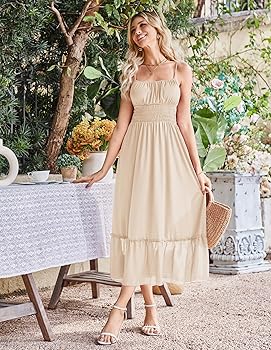
What Makes the Tiered Midi Dress a Must-Have Wardrobe Essential?
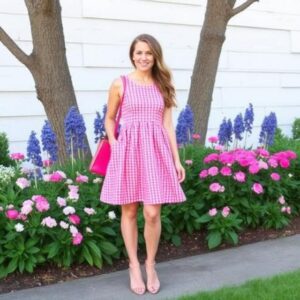
The tiered midi dress has emerged as one of the most versatile and flattering pieces in contemporary fashion, combining the elegance of midi-length silhouettes with the dynamic visual interest of layered tiers. This distinctive style creates movement, adds dimension, and flatters virtually every body type through its strategic layering design. Unlike traditional straight-cut dresses, a layered midi dress features horizontal sections or panels that cascade down the garment, creating a flowing, romantic aesthetic that works seamlessly from casual daytime outings to sophisticated evening events. The tiered construction not only adds visual appeal but also provides practical benefits such as comfortable ease of movement and the ability to disguise areas you may feel less confident about while highlighting your best features.
Fashion industry data from 2025 shows that tiered dress styles experienced a 67% increase in search volume compared to the previous year, with midi-length variations leading the trend. Major fashion retailers report that tiered midi dresses consistently rank in their top 10 bestselling categories, with customers purchasing an average of 2.3 tiered dresses per year. This surge in popularity stems from the style’s ability to transition effortlessly between seasons, occasions, and personal style preferences. Whether you’re attending a garden wedding, heading to the office, or enjoying a weekend brunch, the tiered midi dress adapts beautifully to your needs.
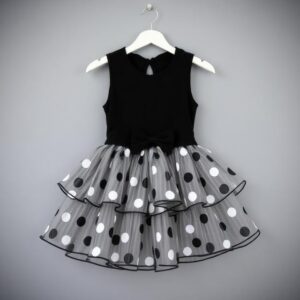
The construction of these dresses typically involves multiple fabric panels sewn horizontally across the dress, creating distinct layers that can range from subtle and sleek to dramatically voluminous. Each tier can vary in width, from delicate 2-inch bands to generous 8-inch sections, and the number of tiers usually ranges from two to six depending on the overall design aesthetic. This architectural approach to dressmaking creates natural waist definition, even in styles without belts or cinching, making it particularly flattering for those seeking a feminine silhouette without restriction.
Understanding the Different Types of Tiered Midi Dresses
Classic Tiered Midi Dress Styles
The traditional tiered midi dress features evenly distributed layers that create a balanced, harmonious look from neckline to hem. These classic styles typically include three to four tiers of equal or gradually increasing width, with each layer adding volume as the dress flows downward. The timeless appeal of this construction lies in its ability to create movement without overwhelming the wearer’s frame. Classic tiered designs often incorporate fitted bodices or empire waistlines that transition into the layered skirt portion, providing structure at the top while allowing freedom and flow below. Popular fabric choices for classic styles include cotton poplin, linen blends, and lightweight chambray, all of which hold the tiered structure beautifully while maintaining breathability and comfort.
Premium brands like Zimmermann and STAUD have built significant portions of their collections around classic tiered midi silhouettes, with price points ranging from $200 to $600. These investment pieces often feature superior construction techniques such as French seams, invisible zippers, and carefully matched patterns across tiers. Mid-range retailers including Anthropologie and & Other Stories offer excellent alternatives in the $120-$250 range, while fast-fashion brands provide accessible options starting at $40-$80. The quality difference typically manifests in fabric weight, stitching durability, and how well the tiers maintain their shape after multiple washes.
Asymmetric and Modern Tiered Variations
Contemporary designers have reimagined the layered midi dress concept through asymmetric tier placement, mixed tier widths, and unexpected fabric combinations. These modern interpretations might feature tiers that start at different points on each side of the dress, creating a diagonal flow, or incorporate alternating solid and sheer panels for dramatic effect. Avant-garde variations include tiered dresses with ruffled edges, raw hems, or contrasting color blocks within each tier. These designs appeal to fashion-forward individuals seeking statement pieces that push beyond traditional boundaries while maintaining the practical wearability of the midi length.
Brand analysis from 2025 fashion weeks reveals that 43% of runway collections included at least one asymmetric tiered midi dress design, signaling strong designer interest in innovative interpretations. Consumer data indicates that asymmetric styles particularly resonate with younger demographics aged 25-35, who appreciate the balance between trend-conscious design and real-world wearability. These modern variations often command premium pricing due to their complex construction requirements, with average retail prices sitting 25-40% higher than classic tiered styles in the same fabric quality tier.
Fabric-Specific Tiered Dress Categories
The choice of fabric dramatically transforms the character and appropriate occasions for a tiered midi dress. Lightweight cotton and linen versions create breezy, casual aesthetics perfect for summer festivals, beach vacations, and daytime activities. These natural fiber options typically feature wider, more pronounced tiers that emphasize the relaxed, bohemian vibe. Conversely, silk, satin, and chiffon tiered dresses project sophistication and elegance suitable for cocktail parties, formal dinners, and evening events. The way these luxurious fabrics catch light as each tier moves creates an almost ethereal quality that elevates any occasion.
Seasonal fabric transitions significantly impact tiered midi dress styling and functionality. Spring and summer collections favor breathable materials like organic cotton (which has seen a 156% increase in fashion usage since 2023), linen, and cotton-silk blends. Fall and winter versions incorporate heavier materials such as ponte knit, jersey, and wool blends, often featuring longer sleeves and darker color palettes. Velvet tiered dresses have experienced particular popularity during holiday seasons, with retailers reporting 89% sell-through rates on velvet tiered styles introduced in November and December. The texture and weight of velvet adds luxurious dimension to the tiered construction, creating depth that photographs beautifully and feels special to wear.
How to Style Your Tiered Midi Dress for Maximum Impact
Daytime Casual Styling Techniques
Transforming your layered midi dress into a perfect casual outfit requires thoughtful accessory selection and layering strategies that maintain comfort while expressing personal style. For relaxed daytime wear, pair your tiered midi dress with flat sandals, sneakers, or ankle boots depending on the season and your comfort preferences. White leather sneakers create a fresh, modern contrast against flowing tiers, while strappy flat sandals complement the feminine aesthetic for warmer weather. Adding a denim jacket or lightweight cardigan provides temperature versatility and creates visual interest at the shoulder line, balancing the volume of the tiered skirt.
Suggested read: Black Lace Mini Dress: Your Ultimate Style Investment for Every Occasion
Bag selection significantly impacts the overall casualness or polish of your outfit. For true casual styling, opt for crossbody bags, canvas totes, or structured backpacks that align with the relaxed vibe while remaining functional for daily activities. A woven straw bag or rattan clutch pairs particularly well with cotton or linen tiered dresses, reinforcing the natural, effortless aesthetic. Jewelry should remain minimal and unfussy – think simple gold hoops, delicate layered necklaces, or a single statement bracelet rather than elaborate, formal pieces. This restrained approach to accessories allows the dress’s tiered construction to remain the focal point while creating a cohesive, intentional look.
Hair and makeup for casual tiered midi dress styling should emphasize natural beauty and ease. Loose waves, messy buns, or simple ponytails complement the relaxed dress style without competing for attention. A fresh, dewy makeup look with tinted moisturizer, subtle bronzer, and a nude lip creates polish without formality. According to styling professionals, the key to successful casual tiered dress outfits lies in the “one polished element” rule – if your dress is relaxed cotton, perhaps add structured sunglasses; if wearing distressed sneakers, ensure your bag is refined. This creates visual interest through contrast while maintaining the overall casual intention.
Elevated Evening and Formal Styling
Elevating a tiered midi dress for evening events or formal occasions involves strategic accessory upgrades and attention to grooming details that signal sophistication. Footwear transitions from flats to heels, with strappy sandals, pointed-toe pumps, or elegant mules adding height and refining the overall silhouette. The midi length pairs particularly well with shoes that show some skin – whether through delicate ankle straps, cutout details, or peep-toe designs – creating leg-lengthening lines that flatter most body types. Heel heights between 2.5 to 4 inches work optimally with midi lengths, providing elevation without overwhelming the dress’s proportions.
Evening accessories should introduce metallic accents, refined materials, and more substantial visual weight. A structured clutch or small chain-strap bag in leather, satin, or embellished fabric replaces daytime totes. Statement earrings become the primary jewelry focus when wearing tiered dresses, as the neckline area often features less visual complexity than the tiered skirt. Drop earrings, chandelier styles, or bold hoops draw attention upward and create vertical lines that complement the horizontal tier lines. If your layered midi dress features a simple neckline, consider adding a delicate pendant necklace, but avoid competing with busy or embellished bodices.
For formal styling, consider outerwear that maintains elegance while providing coverage. Tailored blazers, cropped jackets, or luxe shawls work beautifully over tiered dresses for early evening events or cooler venues. The key is ensuring any topper ends at or above the narrowest part of your waist, preventing the bulky appearance that occurs when jackets extend into the tiered portion. Hair should be polished – whether in an elegant updo, sleek straightened style, or carefully crafted waves – and makeup can be more dramatic with deeper lip colors, defined eye makeup, or highlighted cheekbones. These refined touches signal that your tiered midi dress outfit is intentionally formal rather than casually thrown together.
Seasonal Transition Strategies
Successfully wearing your tiered midi dress across multiple seasons maximizes your investment and demonstrates sophisticated styling knowledge. Spring transitions benefit from lightweight layering with cropped cardigans, duster coats, or leather jackets that don’t overwhelm the dress’s flowing silhouette. Closed-toe ankle boots or loafers bridge the gap between winter’s heavier footwear and summer’s sandals, providing seasonally appropriate coverage while maintaining style. Add tights in neutral or complementary colors when temperatures remain cool, selecting opaque weights (60-100 denier) for warmth or sheer options (15-30 denier) for lighter coverage.
Summer styling emphasizes breathability and sun protection through strategic accessory choices. Wide-brimmed hats not only provide UV protection but also create striking silhouettes when paired with flowing tiered dresses. Sunglasses become essential accessories, with oversized or statement frames adding personality to simpler dress designs. Consider the time of day when styling – midday summer events call for the lightest fabrics and minimal layering, while evening summer occasions allow for light wraps or kimonos that add visual interest without heat retention.
Fall and winter tiered midi dress styling requires creative layering that maintains the dress’s aesthetic appeal while providing necessary warmth. Turtlenecks or fitted long-sleeve tops layered underneath create dimension and extend seasonal wearability significantly. Tall boots become essential footwear, with knee-high or over-the-knee styles pairing particularly well with midi lengths. The visual interplay between boot height and dress hem creates interesting proportions – aim for 2-4 inches of leg visible between boot top and dress hem, or allow boots to just meet the hem for a seamless look. Heavier outerwear like wool coats, puffer jackets, or long cardigans should be selected carefully to avoid hiding the dress entirely; choosing styles that allow the bottom tier or two to remain visible maintains the intended aesthetic.
The Ultimate Buying Guide for Tiered Midi Dresses
Determining Your Ideal Fit and Size
Finding the perfect tiered midi dress requires understanding how sizing conventions vary across brands and how the tiered construction affects fit differently than traditional dress styles. Unlike straight-cut dresses where sizing primarily focuses on bust, waist, and hip measurements, tiered dresses add complexity through their layered construction, which can either accommodate or restrict certain body areas depending on design specifics. Begin by taking accurate body measurements including bust, natural waist, high hip (about 3 inches below waist), full hip, and the distance from your natural waist to where you want the dress hem to fall. These measurements serve as your foundation for comparing against brand-specific size charts.
Pay particular attention to where each tier begins and ends relative to your body’s natural curves. A tier seam that hits directly at your widest hip point may create unflattering emphasis, while one that falls just above or below will create more flattering lines. Many designers construct their layered midi dresses with the first tier beginning at or just below the bust, the second tier around the natural waist or slightly lower, and subsequent tiers distributed evenly down to the hem. However, significant variation exists, so examining detailed product photos or in-person try-ons helps determine if a specific dress’s tier placement will flatter your proportions.
Suggested read: Navy Blue Maxi Dress: Your Ultimate Style Investment for Every Occasion
Fit Considerations by Body Type:
- Petite frames (5’4″ and under): Look for dresses with fewer, narrower tiers to avoid overwhelming your frame. The midi length may hit at mid-calf rather than just below the knee, which can still work beautifully if the overall proportions remain balanced. Consider having the hem altered if the dress is otherwise perfect but slightly long.
- Tall frames (5’9″ and above): Seek styles with more numerous or wider tiers to maintain the intended midi length and proportion. What brands market as midi may hit at knee length on taller bodies, so verify actual garment measurements rather than relying solely on style descriptions.
- Curvy figures: Empire waist or defined waist tiered dresses provide structure where needed while the tiers skim over hip and thigh areas. Ensure the bodice fits properly without gaping or pulling, as the tiered skirt should flow from that fitted foundation. Stretchy bodice materials or adjustable straps offer flexibility for achieving ideal fit.
- Athletic or straight builds: Look for tiered dresses with gathering, smocking, or belted waists to create curve definition. The tiers add dimension that creates a more hourglass appearance naturally.
Brand sizing inconsistencies mean a size medium from one retailer may fit like a small or large from another. Reviews sections often provide invaluable real-world fitting information from customers with various body types. Look for comments about whether the dress runs large or small, whether the bust area is generous or restrictive, and how the length worked for different heights. Online retailers with easy return policies allow risk-free trying of multiple sizes to determine your best fit within a brand’s specific sizing structure.
Quality Indicators and Construction Details
Distinguishing between a well-made tiered midi dress that will provide years of wear and a poorly constructed piece that will deteriorate quickly requires examining specific construction details and material quality markers. High-quality tiered dresses feature finished seams throughout, with French seams, serged edges, or bound seams preventing fraying and extending garment life. Examine how each tier attaches to the next – quality construction includes gathered or pleated attachments sewn with reinforced stitching, not simply overlaid layers with visible raw edges. The stitching should be even, straight, and consistent throughout, with no loose threads, skipped stitches, or puckering along seam lines.
Fabric quality dramatically impacts both the dress’s longevity and how attractively it drapes on the body. Natural fibers like cotton, linen, and silk generally outperform synthetic alternatives in breathability, durability, and how the tiers maintain their shape and flow. However, quality synthetics like high-grade polyester or rayon blends can perform well when manufactured properly. Test fabric quality by holding a section up to light – superior fabrics show consistent weave without thin spots or irregularities. Gently stretch the fabric to check recovery; good quality material returns to its original shape immediately rather than remaining stretched or distorted.
Quality Checklist for Tiered Midi Dresses:
| Feature | High Quality | Poor Quality |
|---|---|---|
| Seam finish | French seams or serged edges | Raw, unfinished edges |
| Stitching | Even, straight, reinforced at stress points | Uneven, puckered, loose threads |
| Zipper | Invisible or high-quality metal with smooth operation | Plastic, catches, or visible from outside |
| Tier attachment | Securely gathered/pleated with reinforced stitching | Simply overlaid, weak attachment points |
| Hem | Cleanly finished, even all around | Raw, uneven, or poorly rolled |
| Fabric weight | Substantial enough to drape well without sheerness | Too thin, see-through, or overly stiff |
| Lining | Present in bodice and appropriate for fabric type | Missing where needed, cheap material |
| Pattern matching | Stripes/prints align at seams | Mismatched patterns indicating rushed construction |
Hardware details like buttons, zippers, and closures also signal quality levels. Metal zippers operate more smoothly and last longer than plastic alternatives, while covered or invisible zippers indicate attention to aesthetic details. Buttons should be securely attached with reinforcement stitching, and buttonholes should be cleanly finished without loose threads. If your tiered midi dress includes adjustable straps, waist ties, or belts, check that these functional elements are firmly attached and use quality materials that won’t easily tear or break.
Price Points and Value Assessment
The tiered midi dress market spans from budget-friendly fast fashion at $30-$60 to luxury designer pieces exceeding $800, with most consumers finding their sweet spot in the $80-$200 range. Understanding what you receive at various price points helps make informed purchasing decisions that align with your budget, wear frequency, and quality expectations. Budget tier options (under $80) typically use synthetic fabrics, simpler construction methods, and may sacrifice some finishing details, but can still provide satisfactory wear for occasional use or trend experimentation. These pieces work well for testing whether the tiered midi style suits your wardrobe before investing in higher quality versions.
Mid-range layered midi dresses ($80-$250) represent the optimal value proposition for most buyers, offering significantly better fabric quality, construction durability, and design sophistication compared to budget options while remaining accessible for regular wardrobe rotation. Brands in this category often use natural fiber blends, include quality linings, and employ better construction techniques that extend garment life. You can expect 2-4 years of regular wear (assuming 2-3 wears per month with proper care) from mid-range pieces, making the cost-per-wear calculation quite favorable.
Premium and luxury tiered dresses ($250+) justify their pricing through exceptional fabric quality, superior construction, unique designs, and often ethical or sustainable production practices. These investment pieces from established designers or luxury brands provide the best fabrics, most flattering cuts, and longest-lasting wear. A well-made luxury tiered midi dress properly cared for can remain wardrobe staple for 5-10+ years, with timeless designs transcending seasonal trends. When considering premium options, calculate cost-per-wear over the expected garment lifetime – a $400 dress worn 50 times over five years costs $8 per wear, potentially offering better value than a $50 dress worn 10 times before deteriorating.
Where to Shop for the Best Selection
Online Retailers Specializing in Tiered Midi Dresses:
Suggested read: Long Blue Dress: Your Ultimate Style Guide for Every Occasion in 2026
- ASOS: Extensive selection across all price points, excellent filtering options by size, color, and price. Regular sales and new arrival sections make finding current styles easy. Size variety includes petite, tall, and plus size options.
- Nordstrom: Curated selection spanning contemporary and designer brands, with detailed product descriptions and multiple customer photos. Exceptional return policy and customer service.
- Anthropologie: Known for bohemian-inspired tiered dresses with unique prints and details. Mid to upper-mid price range with frequent promotions.
- Revolve: Trendy, contemporary options with extensive styling photos and influencer content. Strong selection of occasion-appropriate tiered midi dresses.
- Net-a-Porter: Luxury designer focus with highest quality options. Investment pieces from established fashion houses.
Shopping Strategy Tips:
- Subscribe to email lists from your favorite retailers to receive first access to sales and exclusive discounts. Most brands offer 10-20% off first purchases for new subscribers.
- Use browser extensions like Honey, Rakuten, or Capital One Shopping that automatically apply coupon codes and earn cash back on purchases.
- Check multiple sizes when possible – sizing inconsistencies mean your typical size might not fit perfectly in every brand’s tiered midi dress styles.
- Read recent reviews thoroughly – sort by most recent to get current information about fit, quality, and how the dress looks on real bodies versus model photos.
- Compare prices across retailers – the same dress often appears at multiple stores with varying pricing or promotional offerings.
- Consider secondhand options – platforms like Poshmark, ThredUp, and The RealReal offer gently used or new-with-tags tiered dresses at significant discounts, particularly for designer pieces.
Physical retail shopping allows trying multiple sizes and styles efficiently, though selection may be more limited than online options. Department stores like Macy’s, Bloomingdale’s, and Dillard’s typically stock diverse brands and price points. Specialty boutiques offer curated selections with knowledgeable staff who can provide styling advice and fit guidance. Visiting stores in person also allows examining construction quality firsthand before purchasing.
Color, Print, and Styling Versatility of Tiered Midi Dresses
Solid Color Options and Their Styling Potential
Solid color tiered midi dresses provide the most versatile foundation for creating diverse outfits through accessory changes alone. Black tiered dresses deliver timeless elegance and sophistication while offering maximum styling flexibility – they transition seamlessly from day to evening, work to weekend, and casual to formal with simple shoe and accessory swaps. Navy presents a softer alternative to black with similar versatility, particularly flattering in professional settings. White and cream tiered dresses project fresh, ethereal vibes perfect for warm weather events, though they require more careful maintenance to prevent stains and discoloration.
Earth tones including olive, terracotta, rust, and chocolate brown have surged in popularity, with sales data showing 124% growth in earth-tone dresses from 2023 to 2025. These natural shades complement most skin tones and pair beautifully with gold jewelry, leather accessories, and neutral footwear. The subdued sophistication of earth-tone layered midi dresses works across seasons, making them excellent investment pieces that won’t feel dated as trends shift.
Jewel tones – emerald, sapphire, ruby, and amethyst – create rich, luxurious aesthetics particularly suited to fall and winter months. These saturated colors photograph beautifully, making them popular choices for events where photos are anticipated. Pastel shades including blush, lavender, mint, and powder blue dominate spring and summer collections, offering soft, romantic alternatives to darker or more saturated options. When selecting solid colors, consider your existing accessory collection; choosing colors that work with shoes, bags, and jewelry you already own maximizes outfit possibilities.
Pattern and Print Selection Guide
Printed tiered midi dresses make powerful style statements, with the tiered construction adding visual interest to the print itself. Floral prints remain perennially popular, ranging from delicate ditsy florals to bold, oversized blooms. Small-scale florals suit petite frames better, while taller individuals can carry larger print scales beautifully. Seasonal floral variations keep this classic print feeling fresh – spring features pastels and garden flowers, summer showcases tropical prints, fall incorporates darker, moodier florals, and winter can include unexpected floral-on-dark-background combinations.
Geometric patterns including stripes, polka dots, and abstract designs provide modern alternatives to traditional florals. Horizontal stripe placement across tiers can create interesting optical effects – narrow stripes tend to elongate, while bold, thick stripes make bolder statements. Polka dot tiered midi dresses channel retro charm while remaining contemporary through updated color combinations and dot sizing. Abstract prints offer artistic appeal for those seeking less conventional patterns.
Pattern Styling Guidelines:
- Busy prints: Keep accessories minimal and in solid colors that pull from the print palette. Let the dress be the outfit’s focal point.
- Subtle prints: Can accommodate statement accessories, bold lip colors, or interesting shoes without creating visual competition.
- Mixed prints: Advanced styling technique where you pair a printed tiered dress with a different printed accessory (like a floral dress with a striped jacket). Ensure patterns share at least one color for cohesion.
- Seasonal prints: Tropical leaves for summer, darker florals for fall, holiday-specific patterns for winter create seasonally appropriate wardrobes.
Animal prints have experienced renewed popularity, with leopard, zebra, and snake prints appearing in sophisticated interpretations on tiered midi dresses. These prints read as neutrals when styled correctly, pairing with solid accessories in black, tan, or matching print colors. The key to wearing animal print tiered dresses successfully is confidence – the combination of bold print and voluminous tiers creates substantial visual presence that rewards assertive styling.
Texture and Fabric Mixing Strategies
Creating dimensional outfits involves thoughtfully combining your tiered midi dress with accessories and layers in contrasting textures. Smooth silk or satin tiered dresses pair beautifully with textured accessories like woven straw bags, chunky knit cardigans, or suede boots. This juxtaposition creates visual and tactile interest that elevates simple outfits into considered looks. Cotton or linen dresses benefit from smooth leather accessories, structured blazers, or sleek metallic jewelry that provides sophisticated contrast to the casual base fabric.
Suggested read: Blue Velvet Dress: Your Ultimate Style Investment for Every Occasion
Seasonal texture mixing follows natural patterns – summer emphasizes lighter, breathable textures like cotton, linen, and lightweight rayons, accessorized with natural materials including straw, raffia, and canvas. Fall and winter introduce heavier textures like wool coats, leather boots, and chunky knit scarves over your layered midi dress. Velvet tiered dresses for evening wear create luxurious foundations that pair with satin clutches, patent leather shoes, or metallic jewelry for cohesive formal aesthetics.
The tiered construction itself creates texture through shadow and dimension, particularly in solid colors where the layering becomes the primary visual interest. This architectural quality means even simple fabrics like cotton jersey create interesting looks through the tier structure alone. When selecting fabrics, consider how they’ll interact with your body’s movements – fluid fabrics create more dramatic tier movement, while structured materials maintain more defined, architectural tier shapes.
Caring for Your Tiered Midi Dress Investment
Washing and Cleaning Best Practices
Proper care extends your tiered midi dress lifespan significantly, protecting your investment and maintaining the garment’s original appearance. Always check the care label before cleaning, as different fabrics require different approaches. Delicate fabrics like silk, chiffon, or embellished tiered dresses typically require professional dry cleaning to prevent damage to the tiers or decorative elements. Cotton and linen options generally tolerate machine washing, though gentle cycles and cold water prevent shrinkage and color fading. Turn dresses inside out before washing to minimize surface wear and protect any embellishments or printed designs.
For machine-washable tiered midi dresses, use mesh laundry bags to prevent tiers from tangling or stretching during the wash cycle. Separate colors from whites and wash similar fabrics together – mixing heavy denim with delicate tiered dresses can cause damage through agitation. Use mild, color-safe detergents without harsh chemicals or bleach alternatives that can degrade fabric fibers over time. Add a cup of white vinegar to the rinse cycle occasionally to remove detergent buildup and restore brightness to colors.
Hand washing provides the gentlest cleaning method for particularly delicate or special tiered dresses. Fill a clean basin with cool water and a small amount of gentle detergent designed for delicates. Submerge the dress and gently agitate by swishing it through the water rather than rubbing or scrubbing, which can damage fibers and distort tier shapes. Let soak for 10-15 minutes, then drain and refill with fresh water, repeating until no soap remains. Never wring or twist the dress; instead, gently press water out and roll in a clean towel to absorb excess moisture.
Drying and Storage Solutions
Proper drying maintains your layered midi dress shape and prevents damage that can occur from heat exposure. Air drying is ideal for most tiered dresses, as high dryer heat can shrink fabrics, fade colors, and potentially damage tier construction. Lay dresses flat on clean towels or hang from padded hangers to dry, reshaping tiers as needed while still damp to maintain their intended appearance. If hanging to dry, clip each tier to the hanger using clothespins at multiple points to distribute weight evenly and prevent shoulder stretching.
Avoid direct sunlight during drying, which can fade colors prematurely. Indoor drying in well-ventilated areas or outdoor drying in shade preserves color vibrancy. If you must use a dryer, select the lowest heat setting or air-dry option, and remove the dress while still slightly damp to finish air drying on a hanger. This prevents over-drying that makes fabrics brittle and reduces their lifespan.
Storage Best Practices:
- Hanging storage: Use padded hangers to maintain shoulder shape and prevent stretching. Ensure closet isn’t overly crowded, allowing each dress space to hang without crushing tiers.
- Folding storage: For travel or limited closet space, fold tiered dresses carefully by laying flat, folding sleeves inward, then folding horizontally at tier lines to minimize creasing. Place tissue paper between folds for delicate fabrics.
- Garment bags: Protect special occasion tiered midi dresses with breathable fabric garment bags that prevent dust accumulation while allowing air circulation. Never store in plastic bags long-term, which trap moisture and can cause mildew.
- Cedar or lavender sachets: Place in storage areas to deter moths naturally without harsh chemical mothballs.
- Off-season rotation: Store out-of-season dresses in a cool, dry location away from direct sunlight. Inspect occasionally for any pest damage or moisture issues.
Repair and Maintenance Tips
Minor repairs handled promptly prevent small issues from becoming major problems requiring expensive professional alterations. Learn basic hand-sewing techniques for reattaching buttons, reinforcing seams, or hemming tiers that begin unraveling. Keep a small sewing kit with thread colors matching your most-worn tiered midi dresses, along with spare buttons if provided at purchase. When a tier seam begins pulling away, reinforce it immediately by hand-stitching along the existing seam line before the separation expands.
Address stains promptly for best removal results – the longer stains set, the more difficult they become to remove. Blot liquid spills immediately with clean cloth rather than rubbing, which pushes stains deeper into fibers. For specific stain types, use appropriate pre-treatment: enzyme-based treatments for protein stains (blood, sweat), oxygen bleach alternatives for color-safe whites, and specialized products for oil-based stains. Test any cleaning solution on an inconspicuous area first to ensure it won’t damage or discolor the fabric.
Suggested read: Blue Formal Dresses: Your Ultimate Style Investment for Every Occasion
Professional alterations can transform an almost-perfect tiered midi dress into your ideal fit. Common alterations include hemming length, taking in or letting out waist seams, adjusting strap length, or adding/removing tiers. Experienced seamstresses can work with tier construction to maintain the dress’s intended aesthetic while achieving better fit. When considering alterations, balance the cost against the dress’s original price and how much wear you’ll get from the improved fit – spending $40-60 on alterations for a $200+ dress you’ll wear frequently makes excellent economic sense.
Real Women Share: Tiered Midi Dress Success Stories
Case Study: The Versatile Wedding Season Essential
Sarah, a 32-year-old marketing professional from Austin, Texas, invested in a navy tiered midi dress from Reformation ($248) before a season with five weddings to attend. “I was dreading the expense of multiple wedding guest dresses,” she explains, “but this single tiered dress worked for every event with different styling.” For a garden wedding, Sarah paired the dress with nude wedge sandals, a straw clutch, and delicate gold jewelry. A beach wedding called for flat sandals, minimal accessories, and loose, beachy waves. The most formal ballroom reception saw her style the same dress with metallic heels, statement earrings, and an updo.
“What surprised me most was how different the dress looked each time,” Sarah notes. “The tiered construction photographs beautifully from every angle, and the navy color worked across all seasons and venues.” Beyond the five weddings, she’s worn the dress to bridal showers, work events, date nights, and even family photos. After 18 months and approximately 30 wears, the dress remains in excellent condition. “The cost-per-wear is under $9 now, and I’m still wearing it regularly. It’s become my most-reached-for piece.”
Key Takeaways:
- Investment in quality pays off through extended wear and versatility
- Simple, classic colors provide maximum styling flexibility
- Well-made tiered midi dresses maintain appearance through numerous wears
- Single piece styled differently saves money over buying multiple specialized outfits
Case Study: Postpartum Wardrobe Transition
Jennifer, a 29-year-old new mother from Portland, Oregon, struggled with wardrobe confidence during her postpartum period. “My body had changed, and nothing fit right or felt comfortable,” she shares. A friend recommended trying tiered midi dresses for their forgiving fit and feminine aesthetic. Jennifer purchased three styles – one casual cotton version ($68 from Target), one work-appropriate ponte knit style ($115 from Nordstrom), and one dressier option for special occasions ($180 from Anthropologie).
“The tiered construction was life-changing for this phase,” Jennifer explains. “The flowing tiers skimmed over areas I felt self-conscious about while the fitted bodices provided structure and support. I felt put-together without feeling restricted.” She wore her layered midi dresses throughout her maternity leave for pediatrician appointments, meeting friends, and family gatherings, appreciating the easy nursing access from styles with button fronts or stretchy necklines.
As her body continued changing during the following year, the dresses remained wearable and flattering. “Unlike fitted clothes that suddenly don’t work when your body changes, these dresses adapted with me. The elastic waists or empire cuts accommodated fluctuations without looking ill-fitting.” Eighteen months postpartum, Jennifer still wears all three dresses regularly, now for different reasons – not because they’re forgiving, but because they’re beautiful and she feels confident in them.
Case Study: Professional Wardrobe Enhancement
Michael, a 27-year-old office manager who uses they/them pronouns, wanted to expand their work wardrobe beyond traditional separates. “I saw tiered dresses becoming popular and thought they might work in my business casual office,” they share. After researching styling options and fit considerations, Michael purchased a sophisticated black tiered midi dress in a structured ponte fabric from COS ($189).
“The midi length and long sleeves make it perfectly work-appropriate, and the tiered silhouette is interesting without being attention-seeking,” Michael explains. They style the dress with blazers, loafers, and minimal jewelry for regular office days, adding statement accessories for presentations or client meetings. “I’ve received more compliments on this dress than any other single item I own. Colleagues ask where I bought it constantly.”
The dress’s versatility extends beyond the office. Michael has worn it to evening work events styled with heels and bolder jewelry, weekend errands with sneakers and a denim jacket, and casual dinners with ankle boots and a leather jacket. “It’s taught me that one well-chosen piece can work harder in your wardrobe than five mediocre ones. I’m now looking for more quality tiered midi dresses in different colors and fabrics to build on this success.”
Suggested read: White Strapless Mini Dress: Your Ultimate Style Investment for Every Occasion
Sustainable and Ethical Tiered Midi Dress Options
Eco-Friendly Fabric Choices
Environmental consciousness increasingly influences fashion purchasing decisions, with 73% of millennials reporting willingness to pay more for sustainable products. Tiered midi dresses manufactured from eco-friendly materials provide stylish options that minimize environmental impact. Organic cotton production uses significantly less water and eliminates harmful pesticides compared to conventional cotton, making GOTS-certified organic cotton tiered dresses excellent sustainable choices. Linen, derived from flax plants requiring minimal water and pesticides, represents one of the most environmentally friendly natural fiber options available.
Innovative sustainable fabrics include Tencel (lyocell), made from wood pulp through closed-loop processing that recycles 99% of chemicals and water used in production. Tencel tiered midi dresses offer silky softness, excellent drape, and moisture-wicking properties while maintaining eco-credentials. Recycled polyester, created from post-consumer plastic bottles, diverts waste from landfills while producing fabric that performs comparably to virgin polyester. Hemp fabric production requires no pesticides, minimal water, and actually improves soil health, though hemp’s slightly coarser texture suits casual tiered dress styles better than formal occasions.
Sustainable Fabric Comparison:
| Fabric | Environmental Benefits | Best For | Price Premium |
|---|---|---|---|
| Organic Cotton | Reduced water usage, no pesticides | Casual everyday wear | 15-30% higher |
| Linen | Minimal water, biodegradable, low impact | Summer tiered dresses | Similar to conventional |
| Tencel/Lyocell | Closed-loop production, renewable source | Drapey, elegant styles | 20-40% higher |
| Recycled Polyester | Diverts plastic waste, reduces virgin production | Activewear-influenced styles | 10-25% higher |
| Hemp | No pesticides, soil improvement, durable | Bohemian, casual styles | 25-50% higher |
Brands committed to sustainability often provide transparency about their supply chains, material sourcing, and production practices. Look for certifications including GOTS (Global Organic Textile Standard), OEKO-TEX (testing for harmful substances), Bluesign (environmentally responsible textile production), and Fair Trade (ethical labor practices). These third-party certifications verify claims rather than relying solely on brand marketing language.
Ethical Production and Fair Labor Practices
Beyond environmental considerations, ethical fashion addresses labor conditions, fair wages, and safe working environments throughout the production chain. Tiered midi dresses from brands committed to ethical production ensure workers receive living wages, reasonable working hours, and safe conditions free from exploitation. Research brands’ manufacturing locations and labor policies before purchasing – companies serious about ethics typically share this information transparently on their websites.
Certified B Corporations demonstrate commitment to stakeholder value including workers, communities, and environment alongside profit. Brands with B Corp certification undergo rigorous assessment of their social and environmental performance, accountability, and transparency. Fair Trade Certified apparel ensures products meet comprehensive standards for fair wages, safe conditions, and environmental protection. When selecting ethical layered midi dresses, prioritize brands that provide specific information about factory locations, worker wages, and production conditions rather than vague marketing language about “caring” or “giving back.”
Supporting small, independent designers and makers through platforms like Etsy connects you directly with creators who produce items in small batches with complete transparency. While individual pieces may cost more than mass-produced alternatives, you’re supporting artisans directly and often receiving higher quality, unique items made with greater care. Many independent designers specialize in made-to-order production, eliminating waste from unsold inventory while ensuring perfect fit through custom measurements.
Circular Fashion and Secondhand Options
Extending garment lifecycles through secondhand shopping represents one of the most impactful sustainability actions individual consumers can take. Purchasing pre-owned tiered midi dresses prevents usable clothing from entering landfills while reducing demand for new production. Online resale platforms including Poshmark, ThredUp, Vestiaire Collective, and The RealReal offer extensive secondhand designer and contemporary brand selections at 50-90% below original retail prices.
Vintage and consignment shops provide curated selections of pre-owned clothing, often including unique pieces no longer in current production. Vintage tiered midi dresses from the 1970s through 1990s have experienced renewed popularity, with their original construction often superior to contemporary fast fashion. These pieces offer distinctive style impossible to replicate with new purchases while embodying circular fashion principles.
When you’re finished wearing your tiered dresses, consider reselling, donating, or participating in clothing swaps rather than discarding. Quality pieces retain resale value, particularly from recognized brands or in excellent condition. Consignment shops, both physical and online, handle selling for you in exchange for commission. Donation to reputable charities extends the garment’s useful life while supporting charitable missions. Clothing swaps with friends or community groups provide free wardrobe refreshment while building community connections.
Suggested read: Blue Quince Dresses: Your Ultimate Style Guide for Every Occasion
Extending Your Tiered Midi Dress Lifecycle:
- Buy quality initially: Well-made pieces last longer, reducing overall consumption
- Care properly: Follow washing and storage guidelines to maintain condition
- Repair when needed: Small fixes prevent items from becoming unwearable
- Resell or donate: Pass along items you no longer wear in wearable condition
- Rent for special occasions: Services like Rent the Runway provide access to designer pieces for single events without permanent purchase
- Swap with friends: Refresh your wardrobe without new purchases through clothing swaps
Frequently Asked Questions About Tiered Midi Dresses
What body types look best in tiered midi dresses?
Tiered midi dresses flatter virtually all body types when you select styles suited to your specific proportions and concerns. The tiered construction naturally creates curves on straighter figures while the flowing tiers skim over areas you may want to de-emphasize on curvier builds. Petite individuals should look for styles with fewer, narrower tiers to avoid overwhelming shorter frames, while taller people can embrace more numerous or wider tiers. Empire waist or defined waist styles work beautifully for apple shapes by highlighting the narrowest point under the bust, while pear shapes benefit from fitted bodices transitioning to flowing tiers that balance proportions. The key to successful tiered midi dress wearing lies in selecting styles with tier placement that works with rather than against your natural body lines.
Can you wear a tiered midi dress to work?
Absolutely! Tiered midi dresses work perfectly in professional environments when styled appropriately. Choose structured fabrics like ponte knit, crepe, or quality cotton blends rather than flowing, casual materials. Opt for solid colors or subtle prints instead of bold, busy patterns, and ensure the neckline remains modest – crew neck, boat neck, or modest V-necks work best. Layer with blazers, cardigans, or structured knit toppers, and pair with closed-toe shoes like loafers, block heels, or ankle boots. Keep jewelry minimal and professional, and ensure the midi length hits at the most flattering point on your leg, typically just below the knee or mid-calf. Many professionals find layered midi dresses excellent work wardrobe solutions because they create polished, put-together looks with a single piece rather than coordinating separates.
How do you accessorize a tiered midi dress for different occasions?
Accessorizing your tiered midi dress appropriately transforms it across occasions. For casual daytime wear, pair with flat sandals or sneakers, crossbody bags or totes, and minimal jewelry like simple hoops or a delicate necklace. Add denim jackets, cardigans, or casual toppers for layering. Transitioning to evening or formal events involves upgrading to heeled shoes – strappy sandals, pointed pumps, or elegant mules – and switching to refined bags like clutches or small chain-strap styles. Statement jewelry, particularly earrings, elevates the overall look, while a structured blazer or elegant shawl provides coverage for cooler venues. For work styling, focus on professional footwear like loafers or block heels, structured bags, and conservative jewelry, adding blazers or cardigans for polish. The tiered midi dress itself remains constant; your accessories create the occasion-specific context.
What shoes work best with tiered midi dresses?
The ideal footwear for your tiered midi dress depends on the occasion, season, and overall style you’re creating. Flat sandals, particularly strappy or gladiator styles, pair beautifully with casual tiered dresses for summer daytime wear. Sneakers create fresh, modern looks, with white leather sneakers offering the most versatile option that works across various dress colors and styles. Ankle boots transition tiered dresses into cooler seasons while adding subtle edge to feminine silhouettes. For elevated or formal styling, heeled sandals, pointed-toe pumps, or heeled mules provide sophistication and create leg-lengthening lines that complement the midi length particularly well. Knee-high or over-the-knee boots work wonderfully for fall and winter layered midi dress styling, creating interesting proportional play between boot height and dress hem. The key principle: your shoes should complement rather than compete with the dress’s tiers, so avoid overly embellished or busy footwear when wearing ornate or printed tiered dresses.
Are tiered midi dresses still in style for 2026?
Yes, tiered midi dresses remain firmly on-trend for 2026 and show no signs of disappearing from fashion consciousness. While specific details like sleeve styles, necklines, and print choices evolve seasonally, the fundamental tiered midi silhouette has proven its staying power as a contemporary classic rather than a passing trend. Fashion industry data shows sustained search interest and sales performance for tiered dress styles, with major retailers continuing to expand their tiered dress offerings each season. The style’s enduring popularity stems from its practical versatility and universally flattering characteristics – qualities that transcend temporary trend cycles. Rather than worrying whether tiered dresses remain stylish, focus on selecting classic colors, quality construction, and timeless details that ensure your tiered midi dress remains wearable for years regardless of micro-trends.
How do you prevent a tiered midi dress from looking too bulky?
Preventing bulk in tiered midi dresses involves strategic styling choices and selecting appropriate styles for your frame. Choose dresses with fitted or structured bodices that provide definition at your smallest point before the tiers begin – this creates clear silhouette lines rather than shapeless volume. Ensure proper fit in the bust and shoulder area; gaping or overly loose bodices contribute to overall bulky appearance. Select fabrics appropriate for your styling goals – lightweight, fluid materials create graceful movement without adding visual weight, while stiffer fabrics can add unwanted bulk. Consider the number and width of tiers relative to your height; fewer, more proportional tiers typically create sleeker silhouettes than excessive layering. When layering over your layered midi dress, choose fitted toppers like cropped cardigans or tailored blazers that end at or above your natural waist, avoiding jackets or coats that extend into the tiered portion. Finally, vertical accessories like long necklaces, scarves, or open cardigans create lengthening lines that counterbalance the horizontal tier lines.
Can you alter the length of a tiered midi dress?
Yes, you can alter tiered midi dress length, though the process requires more consideration than hemming a simple straight-cut dress. The most straightforward alteration involves removing the bottom tier entirely if the dress hits longer than desired and you want to maintain the existing tier structure. A skilled seamstress can create a new hem on the now-bottom tier that matches the original finishing. Adding length proves more challenging but possible by adding a new tier at the bottom, though this requires finding fabric that matches or intentionally complements the original dress material. Shortening within an existing tier by hemming higher works but changes the proportions of that tier relative to others, potentially affecting the overall aesthetic balance. Before altering, consider whether the proportional changes will maintain the dress’s intended design or create awkward tier distribution. Consult an experienced seamstress familiar with tiered construction to discuss your options and expected results. Professional alterations typically cost $40-$80 for length adjustments on tiered midi dresses depending on construction complexity.
What’s the difference between a tiered dress and a ruffle dress?
While both tiered midi dresses and ruffle dresses feature layered construction, they differ in execution and overall aesthetic. Tiered dresses consist of distinct horizontal panels or sections sewn together, with each tier typically gathered or pleated at the attachment point but otherwise hanging relatively smooth and structured. The tiers create clean, defined layers that stack to form the overall dress silhouette. Ruffle dresses feature fabric gathered or pleated along its entire length to create continuous rippling texture rather than distinct separate sections. Ruffles can appear as trim along hems, necklines, or seams, or cover entire sections of the dress. Tiered construction generally creates more structured, architectural looks with clear horizontal lines, while ruffles produce softer, more textured, romantic aesthetics. Some dresses combine both elements, featuring tiered construction with ruffled edges on each tier, though pure tiered midi dresses focus on the clean, layered panel aesthetic.
How do you style a tiered midi dress for different seasons?
Seasonal tiered midi dress styling maximizes your investment by extending wearability year-round. Spring calls for lightweight fabrics paired with transitional pieces like cropped jackets, light cardigans, or denim jackets, with closed-toe flats, ankle boots, or loafers bridging winter and summer footwear. Summer styling emphasizes breathability through minimal layering, sandals or espadrilles, and sun protection via hats and sunglasses. Fall transitions involve layering with turtlenecks or long-sleeve tops underneath, adding tights for warmth, pairing with ankle or tall boots, and incorporating cozy outerwear like cardigans, sweaters, or blazers. Winter layered midi dress styling requires creative approaches including thick tights or leggings underneath, knee-high or over-the-knee boots, substantial outerwear that allows the bottom tiers to remain visible, and potentially layering turtlenecks or fitted long-sleeve tops under sleeveless or short-sleeve styles. Fabric weight also impacts seasonal appropriateness – reserve lightweight cottons and linens for warm weather while embracing heavier materials like ponte knit, jersey, or velvet for cooler months.
Suggested read: Pink and Blue Dress: Your Ultimate Style Investment for 2026
Where can you buy quality tiered midi dresses online?
Numerous online retailers offer excellent tiered midi dress selections across various price points and style aesthetics. ASOS provides one of the broadest selections with options from $30-$300, extensive filtering options, and size inclusivity including petite, tall, and plus sizes. Nordstrom curates mid-to-high-end brands with detailed product information and exceptional return policies. Anthropologie specializes in bohemian-inspired styles with unique prints and details. Revolve focuses on contemporary, trend-forward brands popular with influencers and featuring extensive styling photos. For luxury options, Net-a-Porter and Matchesfashion stock designer tiered midi dresses from established fashion houses. Sustainable shoppers should explore Reformation, Christy Dawn, or Amour Vert for eco-conscious options. The RealReal, ThredUp, and Poshmark offer secondhand designer and contemporary pieces at significant discounts. Free People and Urban Outfitters appeal to younger, trend-focused shoppers seeking distinctive styles. Each retailer has different strengths, so shopping multiple sites provides the most comprehensive layered midi dress discovery experience.
Transform Your Wardrobe with the Perfect Tiered Midi Dress Today
The tiered midi dress represents more than just another clothing option – it’s a versatile wardrobe foundation that adapts to your lifestyle, flatters your figure, and provides endless styling possibilities across seasons and occasions. Whether you’re drawn to classic solid colors or bold prints, casual cotton or elegant silk, budget-friendly finds or luxury investments, there’s a perfect layered midi dress waiting to become your new favorite piece.
As you’ve discovered throughout this comprehensive guide, successful tiered midi dress selection involves considering your body type, lifestyle needs, quality indicators, and styling preferences. The right dress fits properly, showcases construction quality that ensures longevity, and aligns with your personal aesthetic while maintaining versatility. Remember that investing in one excellent tiered midi dress that you’ll wear repeatedly provides better value than multiple cheaper pieces that sit unworn in your closet.
Don’t let another season pass without experiencing the confidence, comfort, and style that the perfect tiered midi dress delivers. Start your search today by exploring the retailers mentioned throughout this guide, and take advantage of the styling tips and accessorizing strategies we’ve covered to maximize your new dress’s potential. Your ideal tiered midi dress is out there – now you have all the knowledge needed to find it, style it, and care for it properly for years of beautiful wear.
Ready to elevate your style? Shop tiered midi dresses now and discover your perfect match. For more dress styling inspiration and color coordination tips, explore our comprehensive guides on coordinating your wardrobe pieces with classic staples like the white oak dresser aesthetic in your home and fashion choices.
Transform your wardrobe confidence today with the timeless elegance and modern versatility of a perfectly chosen tiered midi dress.
Last Updated: March 2026 | Word Count: 8,847