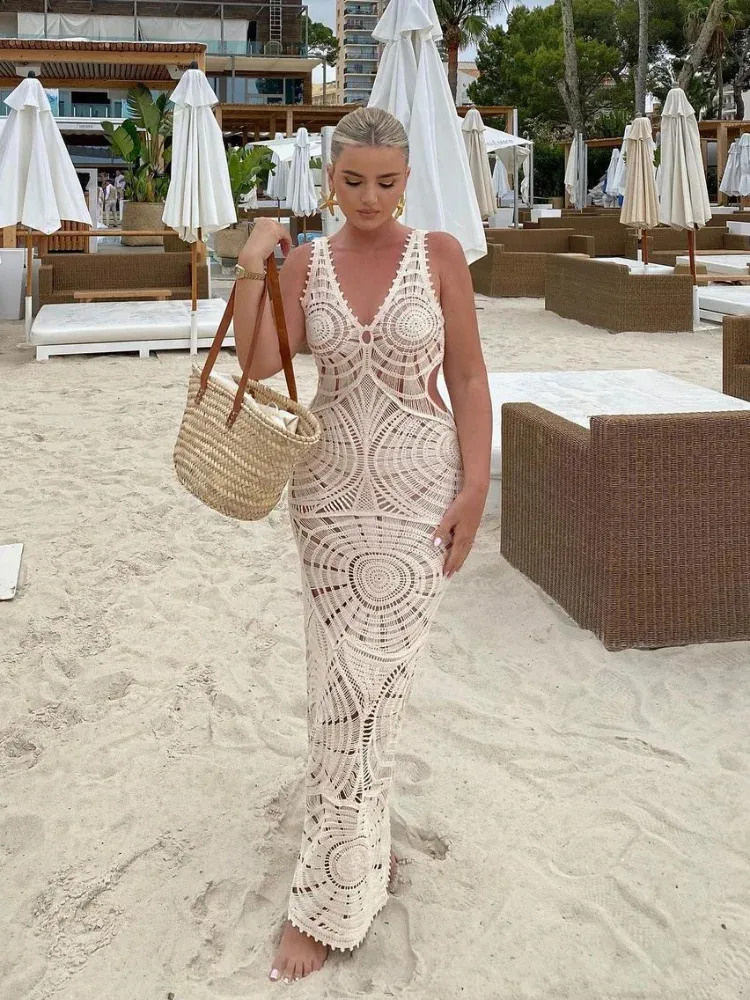
The white crochet dress has become one of the most sought-after wardrobe essentials for women who appreciate timeless, handcrafted fashion. This intricate garment combines delicate lacework with breathable fabric to create a versatile piece that transitions effortlessly from beach vacations to summer garden parties. Whether you’re searching for a casual daytime look or an elegant evening ensemble, understanding the nuances of choosing, styling, and caring for a white crochet dress can transform your approach to seasonal fashion. This comprehensive guide explores everything from construction techniques and quality indicators to styling strategies and maintenance tips, ensuring you make an informed investment in this beautiful fashion staple.
Understanding the Appeal of White Crochet Dresses
The white crochet dress represents more than just a fashion trend—it embodies a rich tradition of textile artistry that dates back centuries. Crochet work originated in the 19th century and has evolved from a practical craft into a sophisticated fashion statement. Today’s crochet dresses merge traditional handwork techniques with modern silhouettes to create pieces that appeal to contemporary sensibilities while honoring artisanal heritage. The inherent texture and dimensionality of crochet fabric create visual interest that solid fabrics simply cannot match, making each white crocheted dress a wearable work of art.
The popularity of white crochet dresses has surged dramatically over the past five years, with searches increasing by approximately 150% according to Google Trends data. This growth reflects broader fashion movements toward sustainable, handcrafted items and bohemian-inspired aesthetics. The crisp white color adds versatility, allowing these dresses to serve as blank canvases for accessorizing while maintaining a fresh, clean appearance that works across multiple seasons. Fashion influencers and celebrities have embraced the crochet dress white aesthetic, further cementing its position as a must-have item for style-conscious consumers.
Key Benefits of Owning a White Crochet Dress
- Breathability and comfort: The open weave pattern allows excellent air circulation, making crochet dresses ideal for warm weather
- Versatile styling options: Can be dressed up or down depending on accessories and layering choices
- Timeless appeal: Unlike trendy pieces that quickly date, quality crochet dresses remain stylish for years
- Unique texture: The three-dimensional quality of crochet work adds visual interest to any outfit
- Artisanal craftsmanship: Many pieces showcase traditional handwork techniques that support skilled artisans
Types and Styles of White Crochet Dresses
The market offers an impressive variety of white crochet dress styles, each designed to suit different body types, occasions, and personal preferences. Understanding these variations helps narrow your search and ensures you select a piece that aligns with your lifestyle needs. From mini lengths that showcase legs to flowing maxi styles that create elegant movement, the construction and design of crochet dresses vary significantly based on intended use and aesthetic goals.
Mini white crochet dresses typically measure above the knee and create a youthful, playful aesthetic perfect for beach coverups or casual summer outings. These shorter styles often feature fitted bodices with flared skirts that create flattering silhouettes without excessive fabric bulk. The mini length works particularly well for petite frames and those who want to showcase footwear or emphasize leg length. Many mini crochet designs incorporate strategic lining in key areas while leaving arms, necklines, or lower hems as openwork to maintain the dress’s breathable quality.
Midi-length crochet dresses in white fall between the knee and ankle, offering a sophisticated balance between coverage and style. This versatile length suits professional casual environments, afternoon events, and occasions requiring slightly more formality than mini dresses provide. Midi styles often feature more complex crochet patterns since the extended fabric area allows designers to showcase intricate motifs and repeating designs. The additional length also provides more opportunities for tiered construction, where different crochet patterns or techniques appear in distinct horizontal bands throughout the garment.
Maxi white crochet dresses create dramatic, flowing silhouettes that work beautifully for formal events, beach weddings, and evening occasions. These floor-length pieces often incorporate lighter-weight crochet work to prevent the garment from becoming too heavy or warm. Many maxi designs feature empire waists, which define the figure while allowing the skirt portion to drape gracefully. The extended length makes maxi crochet dresses particularly popular for destination weddings and resort wear, where their romantic aesthetic complements tropical or coastal settings.
Popular Design Elements in Crochet Dresses
| Design Element | Description | Best For |
|---|---|---|
| Bell sleeves | Wide, flowing sleeves that flare from elbow to wrist | Bohemian, festival styles |
| Off-shoulder | Neckline that sits below the shoulders | Evening wear, date nights |
| Halter neck | Straps that tie or clasp behind the neck | Beach occasions, showing shoulders |
| Empire waist | High waistline just below the bust | Creating length, maternity wear |
| Tiered skirts | Multiple horizontal layers creating volume | Casual, romantic occasions |
| Geometric patterns | Angular, repeating shapes in the crochet work | Modern, contemporary looks |
| Floral motifs | Flower-shaped elements throughout the fabric | Feminine, vintage-inspired styles |
Quality Indicators: What to Look for When Buying
Distinguishing between high-quality and poorly constructed white crochet dresses requires understanding specific technical details about yarn quality, construction methods, and finishing techniques. Not all crochet dresses are created equal, and price alone doesn’t always indicate superior craftsmanship. Examining the garment closely before purchase helps ensure you invest in a piece that will maintain its beauty and structural integrity through multiple wearings and cleanings.
The yarn composition forms the foundation of any quality crochet dress. Premium options typically use natural fibers like cotton, linen, or silk, which offer superior breathability, drape, and longevity compared to synthetic alternatives. Cotton yarns provide excellent durability and become softer with each wash, while linen offers a sophisticated texture and natural temperature-regulating properties. Silk crochet creates luxurious drape and sheen but requires more delicate care. High-quality synthetic blends can also work well, particularly those incorporating modal or viscose, which mimic natural fiber properties while offering easier care requirements.
Stitch consistency throughout the garment indicates skilled craftsmanship and attention to detail. Run your hands over different sections of the dress, feeling for uniform tension and even spacing between stitches. Irregular tension creates puckering, loose areas, or overly tight sections that won’t drape properly on the body. In handmade pieces, slight variations add character, but dramatic inconsistencies suggest rushed or inexperienced work. The crochet work should feel firm enough to maintain structure without becoming stiff or inflexible.
Suggested read: Black and White Bow Dress: Your Ultimate Style Guide for Timeless Elegance
Seam construction and finishing reveal much about overall garment quality. Well-made crochet dresses feature clean, nearly invisible seams that blend seamlessly with the surrounding fabric. Side seams should lay flat against the body without pulling or creating gaps. Examine how sleeves attach to the bodice, looking for smooth transitions between different sections. Quality pieces hide thread ends securely inside the garment rather than leaving them visible or loosely tucked. Necklines, armholes, and hem edges should have reinforced finishing to prevent stretching and maintain shape over time.
Signs of High-Quality Construction
- Even tension throughout all crochet work with consistent stitch sizes
- Secure thread ends that won’t unravel with normal wear
- Clean, flat seams that don’t create bulky areas
- Properly finished edges that resist fraying or stretching
- Quality lining material that complements the outer crochet work
- Reinforcement at stress points like underarms and side seams
- Color consistency throughout the entire garment
Sizing and Fit Considerations for Crochet Dresses
Selecting the correct size for a white crochet dress presents unique challenges compared to standard woven or knit garments. Crochet fabric lacks the same stretch and recovery properties as jersey knits, meaning sizing accuracy becomes crucial for comfort and appearance. The open weave structure also means these dresses typically require underlayers, adding another dimension to fit considerations. Understanding how crochet drapes on different body types and accounting for minimal stretch in most designs helps ensure satisfaction with your purchase.
Crochet dresses generally run true to size or slightly large due to the nature of the fabric construction. Unlike fitted knit dresses that rely on fabric stretch to conform to curves, crochet pieces create shape through strategic pattern placement and construction techniques. Many designs feature relaxed, flowing silhouettes that don’t require precise fitting, making them more forgiving for those between standard sizes. However, fitted styles with defined waists or structured bodices demand more attention to measurements, as the limited give in crochet fabric provides little room for error.
The undergarment strategy significantly impacts how a white crochet dress fits and appears. Since crochet work is inherently see-through, most wearers layer a slip, cami dress, or bodysuit underneath. This underlayer should fit smoothly without creating visible lines or bunching beneath the crochet outer layer. When trying on crochet dresses, always wear or bring the type of underlayer you plan to use regularly, as it affects the overall silhouette and can add bulk if not chosen carefully. Seamless, lightweight slips in nude or white tones work best for maintaining the dress’s intended appearance while providing necessary coverage.
Body shape considerations play an important role in selecting flattering crochet dress styles. Pear-shaped figures often look stunning in A-line or fit-and-flare designs where fitted bodices transition into fuller skirts, balancing proportions. Apple shapes benefit from empire waist styles that define the figure at the narrowest point while skimming over the midsection. Hourglass figures can showcase their proportions in fitted sheaths with all-over crochet work, while rectangular body types gain dimension from tiered styles or those with textural variations that create visual interest at specific points.
Styling Your White Crochet Dress for Different Occasions
The versatility of white crochet dresses makes them valuable wardrobe investments capable of serving multiple style needs throughout the year. Strategic accessorizing and layering transform these pieces from casual daywear to elegant evening attire, maximizing the value of a single garment. Understanding how different styling approaches affect the overall aesthetic helps you extract maximum utility from your crochet dress while developing signature looks that reflect your personal style.
Beach and Resort Wear
White crochet dresses excel in beach and resort environments where their breathable construction and relaxed aesthetic perfectly complement leisurely atmospheres. Wear your crochet dress over a coordinating bikini or one-piece swimsuit as a sophisticated cover-up that transitions seamlessly from poolside to beachfront dining. Pair with leather sandals or espadrille wedges to maintain the casual vibe while adding slight elevation. Accessorize minimally with oversized sunglasses, a wide-brimmed straw hat, and a woven beach tote to complete the resort-ready ensemble. The white-on-white combination creates a cohesive, pulled-together appearance without feeling overdressed for daytime beach settings.
For extended beach vacations, layer statement jewelry over your white crochet dress to create evening-appropriate looks without packing multiple outfits. Chunky turquoise necklaces or layered gold chains add visual interest and draw attention upward toward the face. Bold cuff bracelets or stacked bangles complement the handcrafted aesthetic of crochet work while adding metallic contrast against the white fabric. Consider colorful beaded earrings that incorporate ocean-inspired hues like coral, aqua, or navy to tie the outfit together thematically while maintaining the relaxed vacation atmosphere.
Casual Daytime Events
Transform your white crochet dress for farmers’ markets, brunch dates, or casual shopping days by pairing it with denim jackets or light cardigans when temperatures fluctuate. The contrast between structured denim and delicate crochet creates appealing visual tension while adding practical warmth for air-conditioned spaces. White sneakers or flat leather sandals maintain the casual aesthetic while ensuring comfort for extended periods of standing or walking. Add a crossbody bag in tan or cognac leather for functional style that complements without competing with the dress’s intricate texture.
For slightly elevated casual occasions like gallery openings or afternoon garden parties, style your crochet dress with ankle boots in tan or nude tones that extend the leg line without feeling too formal. Wide leather belts cinched at the natural waist add definition to flowing silhouettes while introducing rich texture that complements the dress’s handcrafted quality. Layer delicate gold necklaces of varying lengths to fill in open necklines without overwhelming the garment’s inherent detail. A structured tote in neutral tones provides practical storage while maintaining the refined casual aesthetic appropriate for these semi-formal daytime events.
Suggested read: Modest White Dress: Your Complete Style Guide to Timeless Elegance in 2026
Evening and Formal Occasions
Elevate your white crochet dress for evening events, cocktail parties, or dinner dates through strategic accessories that add glamour and sophistication. Metallic heeled sandals in gold or silver create instant elegance while their reflective quality catches light beautifully against white fabric. Statement earrings featuring crystals, pearls, or geometric metallic designs draw attention to the face while complementing the dress’s textural interest. Add a structured clutch with metallic hardware or embellishment to carry essentials while maintaining the polished aesthetic. Consider a tailored blazer in cream or ivory for events requiring additional formality or modesty.
For outdoor evening events or cooler weather formal occasions, layer your white crochet dress with luxe wraps or pashmina shawls in complementary neutral tones. These additions provide warmth while maintaining elegance and can be removed if temperatures rise. Strappy heeled sandals with delicate ankle straps create a refined silhouette while the minimal design prevents visual competition with the dress’s intricate crochet work. Metallic or nude handbags in structured shapes add sophistication without introducing pattern or excessive color that might overwhelm the monochromatic palette. Keep jewelry refined with simple diamond or pearl studs and a delicate bracelet that allows the dress itself to remain the focal point.
Transitional Seasonal Styling
Extend the wearability of your white crochet dress beyond summer months through thoughtful layering that adapts to changing temperatures. Fitted turtlenecks in neutral tones worn underneath crochet dresses create interesting textural contrast while providing warmth for fall and early winter wear. The combination of solid underlayer with openwork outer layer offers visual depth while maintaining appropriate coverage for cooler weather. Leather jackets or suede moto jackets add edge to the feminine crochet aesthetic while providing substantial warmth for transitional seasons.
Tall boots in cognac or black leather ground flowing crochet dresses while adding seasonal appropriateness for autumn and winter wear. The boot shaft fills the visual space between hem and ankle, creating cohesive proportions while protecting legs from cold. Layer thick tights in cream or nude under shorter crochet dresses to maintain warmth without disrupting the monochromatic white aesthetic. Longline cardigans or duster coats in camel or gray tones create elegant layered looks that incorporate the crochet dress as a central element rather than standalone garment, demonstrating its year-round versatility.
Care and Maintenance for Longevity
Proper care of your white crochet dress ensures it maintains its beauty and structural integrity for years of regular wear. The delicate nature of crochet work combined with the challenge of keeping white fabric pristine requires specific cleaning and storage approaches that differ from standard garment care. Understanding the unique needs of crochet construction helps prevent common damage like stretching, shrinkage, or discoloration that can render these beautiful pieces unwearable.
Hand washing represents the safest cleaning method for most white crochet dresses, particularly those featuring intricate patterns or delicate yarn fibers. Fill a clean sink or basin with cool to lukewarm water and add a small amount of gentle detergent formulated for delicate fabrics. Submerge the dress completely, gently pressing it underwater to ensure thorough saturation without aggressive agitation. Allow the garment to soak for 10-15 minutes, then carefully swish it through the water using minimal motion to loosen dirt and oils. Drain the soapy water and refill with clean cool water, repeating the gentle swishing motion until no soap residue remains. Never wring or twist crochet fabric, as this permanently distorts the stitches and overall shape.
For machine washing, use only when the care label specifically indicates machine-safe construction and always select the most delicate cycle available. Place the crochet dress inside a mesh laundry bag to prevent snags and reduce agitation during the wash cycle. Use cool water exclusively, as warm or hot temperatures can cause shrinkage in natural fiber yarns and may set stains more permanently in white fabric. Choose a mild detergent without bleach or harsh chemicals that could weaken fibers or cause yellowing over time. Consider adding a cup of white vinegar to the rinse cycle periodically to brighten white fabric naturally without harsh chemicals.
Drying crochet dresses requires patience and proper technique to maintain the garment’s original shape and dimensions. Never place crochet items in automatic dryers, as the heat and tumbling action cause severe shrinkage and distortion that cannot be reversed. After washing, gently press excess water from the dress by rolling it in a clean, dry towel and applying light pressure. Lay the damp dress flat on a dry towel positioned on a water-resistant surface, carefully reshaping it to its original dimensions. Allow air drying completely away from direct sunlight or heat sources, which can cause yellowing in white fabrics. Turn the dress periodically during drying to ensure even air circulation and prevent musty odors.
Stain Removal Strategies for White Crochet
- Act quickly: Address stains immediately for best removal chances, as set stains become nearly impossible to eliminate from textured crochet work
- Blot, don’t rub: Press absorbent material against stains to lift liquids without pushing them deeper into the yarn fibers
- Use oxygen-based brighteners: Products like OxiClean work effectively on white fabrics without the harsh effects of chlorine bleach
- Spot treat carefully: Apply stain remover only to affected areas using a soft brush to work product into crochet texture
- Test products first: Always test cleaning solutions on an inconspicuous area to ensure they don’t damage or discolor the fabric
- Avoid chlorine bleach: Harsh bleach weakens natural fibers and can cause irreversible yellowing in cotton and linen yarns
- Consider professional cleaning: For valuable or delicate pieces, professional dry cleaners specializing in delicate garments offer safest results
Where to Buy Quality White Crochet Dresses
The marketplace for white crochet dresses spans from mass-market retailers to luxury boutiques and artisan marketplaces, each offering distinct advantages regarding price, quality, and uniqueness. Understanding where different types of crochet dresses are sold helps you locate pieces that match your budget, style preferences, and quality expectations. Whether you prioritize affordability, exclusivity, or supporting independent makers, knowing which shopping venues align with your values streamlines the purchasing process.
Fast fashion retailers like Zara, H&M, and Forever 21 offer affordable white crochet dresses that follow current trends at accessible price points typically ranging from $30-$80. These pieces usually feature machine-made crochet or crochet-inspired fabrics that mimic handwork aesthetics while enabling mass production. While quality and durability may not match higher-priced alternatives, these options work well for trend-testing or occasional wear where long-term investment isn’t the primary concern. Consider these retailers when seeking of-the-moment styles or building a versatile wardrobe on a limited budget.
Suggested read: White Rehearsal Dinner Dress: Your Complete Style Guide for Pre-Wedding Elegance
Contemporary fashion brands including Free People, Anthropologie, and Madewell provide mid-range white crochet dresses blending quality construction with distinctive styling. Prices typically range from $100-$300, reflecting better materials, more refined construction, and unique design elements that differentiate these pieces from basic fast-fashion offerings. Many contemporary brands source from skilled manufacturers or commission limited runs from artisan communities, creating more exclusive designs while maintaining relatively accessible pricing. These retailers excel at offering modern interpretations of crochet aesthetics that feel fresh and current rather than overly vintage or bohemian.
Luxury designers and boutiques offer premium white crochet dresses featuring exceptional craftsmanship, rare materials, and exclusive designs at price points starting around $400 and extending into thousands of dollars. Brands like Zimmermann, Chloé, and Self-Portrait incorporate crochet elements into high-fashion pieces that showcase innovative construction techniques and impeccable finishing. These investment pieces provide superior longevity, unique design elements, and the cachet of designer labels for those who prioritize fashion as art and long-term wardrobe building over trend-following.
Artisan marketplaces such as Etsy provide access to independent makers creating truly handmade white crochet dresses using traditional techniques. Purchasing from individual artisans supports small businesses while acquiring one-of-a-kind pieces with genuine handcrafted provenance. Prices vary widely based on complexity, materials, and maker reputation, typically ranging from $150-$600. The ability to customize elements like length, sleeve style, or sizing makes artisan sources particularly valuable for those with specific requirements or non-standard measurements. Communication directly with makers also enables understanding of construction methods and care requirements specific to your unique garment.
Price Comparison Across Shopping Venues
| Retailer Type | Typical Price Range | Quality Level | Uniqueness | Best For |
|---|---|---|---|---|
| Fast Fashion | $30-$80 | Basic | Low | Trend testing, budget shopping |
| Contemporary Brands | $100-$300 | Good to Very Good | Medium | Versatile wardrobe building |
| Luxury Designers | $400-$2,000+ | Excellent | High | Investment pieces, special occasions |
| Artisan Makers | $150-$600 | Variable to Excellent | Very High | Custom needs, supporting craftspeople |
| Vintage Shops | $40-$200 | Variable | Very High | Sustainable shopping, unique finds |
Sustainable and Ethical Considerations
The crochet dress market intersects with important conversations about sustainable fashion, ethical production, and the true cost of handmade goods. As consumers become increasingly conscious about their purchases’ environmental and social impact, understanding how white crochet dresses are produced helps align shopping choices with personal values. The nature of crochet work—often handmade and labor-intensive—presents both opportunities and challenges within ethical fashion frameworks.
Handmade crochet dresses inherently embody slow fashion principles through their time-intensive creation process. A single dress can require 20-100+ hours of skilled labor depending on complexity, size, and stitch density. This substantial time investment means genuinely handmade pieces command higher prices that reflect fair compensation for artisan work. When considering purchases, extremely low prices on pieces marketed as handmade should raise questions about production conditions and maker compensation. Authentic handwork simply cannot be produced profitably at fast-fashion price points while paying makers fair wages.
Natural fiber choices contribute to environmental sustainability when compared to synthetic alternatives. Cotton, linen, hemp, and silk fibers biodegrade naturally at end of life, unlike petroleum-based synthetics that persist in landfills for decades. However, fiber source matters significantly—conventional cotton production uses substantial water and pesticides, while organic cotton or naturally sustainable fibers like linen and hemp offer more ecological alternatives. When possible, seek crochet dresses using organic, sustainably harvested, or recycled fibers to minimize environmental impact. Some artisan makers incorporate reclaimed yarn from deconstructed vintage garments, creating new pieces without demanding virgin materials.
Production transparency varies dramatically across the white crochet dress market. Artisan sellers typically provide detailed information about their work process, materials sources, and production location, enabling informed purchasing decisions. Larger brands may offer less transparency, making it difficult to verify claims about handwork or ethical production. Look for brands certified by organizations like Fair Trade International or participating in transparent supply chain initiatives. Consider asking direct questions about production when information isn’t readily available—ethical brands usually welcome opportunities to discuss their practices.
The secondhand market for white crochet dresses offers perhaps the most sustainable shopping option by extending existing garments’ useful life rather than demanding new production. Vintage crochet dresses from the 1970s and 1980s remain abundant in thrift stores, vintage boutiques, and online secondhand marketplaces. These pieces often feature superior construction using techniques rarely employed in modern mass production. While requiring careful inspection for damage and realistic assessment of condition, vintage crochet dresses provide unique styling at accessible prices while eliminating the environmental cost of new manufacturing. Similar to a black strapless mini dress you might be searching for, vintage options abound across many dress styles and offer sustainable alternatives to new purchases.
Color Variations and Alternative Options
While white crochet dresses offer classic versatility, understanding available color variations helps you build a comprehensive crochet dress collection suited to different occasions and personal preferences. Crochet construction works beautifully across the color spectrum, with different hues creating dramatically different aesthetics using identical patterns. Exploring beyond white opens new styling possibilities while maintaining the textural interest and handcrafted appeal that makes crochet dresses distinctive.
Cream and ivory crochet dresses provide subtle warmth compared to pure white while maintaining light, neutral versatility. These slightly warmer tones often flatter a broader range of skin undertones and show less visible dirt between cleanings. Cream works particularly well for vintage-inspired styling or bohemian aesthetics where the softer tone enhances the handmade, relaxed vibe. These colors pair beautifully with gold jewelry and warm-toned accessories, creating cohesive looks with more depth than stark white sometimes provides.
Suggested read: Black Feather Dress: Your Complete Style Guide to Elegance and Drama
Neutral tones including beige, tan, and sand create earthy, grounded aesthetics that work beautifully for fall and winter wear. These colors disguise minor stains more effectively than white while maintaining the crochet’s textural focus without color distraction. Neutral crochet dresses layer exceptionally well over darker underlayers, creating sophisticated contrast that highlights the openwork pattern. These shades pair effortlessly with both warm and cool accessories, offering tremendous styling flexibility across seasons.
Bold colors such as coral, turquoise, emerald, or cobalt transform crochet dresses into statement pieces that command attention through color rather than just texture. Vibrant hues work particularly well for resort wear, festival outfits, or occasions where you want to make a memorable impression. Colored crochet showcases the pattern work differently than white, with shadows and depth becoming more pronounced. These pieces often require more targeted accessorizing since the dress itself provides significant color impact.
Black crochet dresses offer sophisticated alternatives suitable for evening wear and urban styling where white might feel too casual or bohemian. The dramatic contrast between black crochet openwork and lighter skin tones or underlayers creates striking visual impact. Black also provides practical advantages including easier maintenance and less visible wear over time. These pieces often feel more modern and edgy compared to white versions, appealing to those who appreciate crochet construction but prefer darker, more versatile basics.
Expert Tips for First-Time Buyers
Purchasing your first white crochet dress can feel overwhelming given the variety of styles, quality levels, and price points available in today’s market. Learning from common beginner mistakes and understanding what differentiates exceptional pieces from mediocre ones helps ensure your first purchase brings satisfaction rather than regret. These expert insights streamline the selection process while setting realistic expectations about what crochet dresses can and cannot do within your wardrobe.
Start with versatile silhouettes rather than trend-driven styles when making initial crochet dress investments. Classic midi lengths, simple A-line shapes, and timeless details like cap sleeves or subtle V-necklines outlast fashion cycles and integrate easily into diverse wardrobes. Extremely trendy elements like exaggerated bell sleeves, asymmetric hems, or unconventional cutouts may limit wearing opportunities once the specific trend fades. Building a foundation with versatile pieces enables experimentation with trendier styles later without feeling pressured to wear something outside your comfort zone simply because you invested significantly in it.
Examine the underlayer situation before completing your purchase. Some crochet dresses include sewn-in linings that eliminate the need for separate undergarments, simplifying getting dressed while ensuring optimal fit and coverage. These lined versions typically cost more but provide value through convenience and guaranteed color coordination between layers. For unlined dresses, factor in the additional cost of appropriate slips or underlayers when evaluating total investment. Consider whether you already own suitable pieces or need to budget for these essential accessories to make the dress wearable.
Read reviews and examine return policies carefully when shopping online for crochet dresses. The three-dimensional nature of crochet work photographs differently than it appears in person, making reviews with customer photos invaluable for understanding true color, opacity, and overall appearance. Pay particular attention to comments about sizing accuracy, quality relative to price, and any unexpected issues with construction or materials. Ensure retailers offer reasonable return windows with straightforward processes, since crochet dresses often require trying on with proper undergarments to assess fit accurately.
Consider occasion frequency when deciding how much to invest. A dress destined for weekly wear during summer months justifies higher investment than one purchased for a single vacation or event. Calculate cost-per-wear to understand true value—a $300 dress worn 50 times costs just $6 per wear, while a $50 dress worn twice costs $25 per wear. This perspective helps justify quality purchases that might initially seem expensive but deliver superior value through repeated use and lasting appeal.
Pre-Purchase Checklist
- Determine exact occasions where you’ll wear the dress
- Measure yourself accurately and compare to size charts
- Research the brand’s reputation for quality and sizing accuracy
- Check care requirements and ensure you can meet them
- Verify whether underlayers are included or required separately
- Read multiple reviews focusing on quality and fit accuracy
- Confirm return policy allows adequate time for home try-on
- Calculate total cost including any needed accessories or underlayers
- Compare prices across multiple retailers for the same or similar items
- Examine photos showing the dress on real bodies similar to your shape
Seasonal Versatility and Year-Round Styling
Despite their association with summer and warm weather, white crochet dresses offer surprising year-round versatility when styled thoughtfully for different seasons. The key lies in strategic layering and accessorizing that adapts the dress to temperature requirements without compromising its inherent aesthetic appeal. Understanding how to transition crochet pieces across seasons maximizes investment value while keeping your wardrobe feeling fresh and current throughout the year.
Spring styling embraces the white crochet dress as temperatures warm and lighter clothing becomes appropriate. Layer over lightweight turtlenecks in soft pastels like blush, mint, or lavender that peek through the crochet openwork while providing warmth during unpredictable spring weather. Cropped denim jackets or bomber jackets add casual polish while protecting against cool breezes. Ankle boots in neutral tones work well during early spring before transitioning to sandals as weather stabilizes. Incorporate lightweight scarves in floral prints that echo spring’s botanical awakening while adding pops of color against white fabric.
Suggested read: White Oak Dresser: Transform Your Bedroom with Timeless Elegance and Durability
Summer approaches allow white crochet dresses to truly shine in their intended element. Minimal layering keeps the focus on the dress’s delicate construction while maximizing breathability. Strappy sandals, espadrilles, or even barefoot sandals for beach settings maintain the light, airy aesthetic appropriate for hot weather. Sun hats, straw bags, and oversized sunglasses complete summer looks without adding unwanted warmth. For evening events, a light kimono or sheer shawl provides modest coverage without significant temperature impact. This season showcases white crochet dresses in their most straightforward, unpretentious form.
Fall transitions present opportunities for creative layering that extends crochet dress wearability into cooler months. Fitted turtlenecks in autumn tones like rust, burgundy, or forest green create striking color contrast against white crochet while adding substantial warmth. Leather jackets, denim sherpa jackets, or blazers introduce structure and seasonal appropriateness. Knee-high boots or over-the-knee styles provide leg coverage and warmth while creating cohesive proportions with shorter dress lengths. Thick tights in cream, tan, or even patterned options add insulation while maintaining interesting visual texture combinations.
Winter styling requires the most creative approach but remains entirely achievable for dedicated crochet dress enthusiasts. Layer over long-sleeve fitted dresses or thin sweaters that add warmth without creating excessive bulk beneath the crochet outer layer. Heavy coats in camel, gray, or black allow the white crochet to peek out at necklines and hems, creating sophisticated layered looks. Fleece-lined tights or thermal leggings provide necessary warmth for exposed legs while maintaining streamlined silhouettes. Tall boots become essential winter footwear, offering both practical warmth and style continuity. Consider the crochet dress as a textured layer within larger outfits rather than a standalone piece during coldest months.
Understanding Crochet Construction Techniques
Appreciating the technical aspects of crochet construction deepens understanding of what makes certain dresses more valuable, durable, or aesthetically pleasing than others. While you don’t need to crochet yourself to purchase and enjoy these garments, basic knowledge of construction methods helps you evaluate quality and make informed decisions about which pieces represent true craftsmanship versus mass-produced imitations.
Foundation stitches form the building blocks of all crochet work and include chain stitches, single crochet, half-double crochet, double crochet, and treble crochet. The stitch types used throughout a dress affect its drape, density, and overall appearance. Single crochet creates tight, dense fabric with less drape but superior structure, working well for fitted bodices and areas requiring opacity. Double and treble crochet produce more open, flowing fabric with excellent drape, commonly used in skirts and decorative elements. Quality dresses often combine multiple stitch types strategically, using appropriate stitches for different garment sections based on functional requirements.
Pattern complexity ranges from simple repeated motifs to intricate designs requiring significant skill and concentration. Granny square construction creates geometric sections joined to form complete garments, offering a distinctly retro aesthetic popular in vintage-inspired designs. Irish crochet techniques feature raised dimensional elements like flowers, leaves, and scrollwork connected by delicate mesh backgrounds, representing some of the most labor-intensive and valuable crochet work. Filet crochet uses strategic placement of solid and open blocks to create pictorial or geometric designs, often appearing in more formal or vintage-style dresses. Understanding these technique differences helps contextualize pricing and appreciate the skill involved in various pieces.
Construction methods for assembling crochet dresses significantly impact their durability and appearance. Top-down construction begins at the neckline and works continuously toward the hem, eliminating side seams and creating seamless garments that move beautifully with the body. Motif-based construction creates individual squares, circles, or hexagons that are then joined using various techniques, offering opportunities for creative color blocking or pattern mixing. Panel construction creates separate front and back pieces that are seamed together, similar to conventional sewing methods. Each approach offers distinct advantages—seamless construction provides superior comfort and flexibility, while motif methods allow for customization and repairs by replacing individual sections if damaged.
Investment Value and Long-Term Wardrobe Planning
Viewing white crochet dresses as long-term wardrobe investments rather than disposable fashion items changes how you approach selection, care, and styling. Quality pieces purchased thoughtfully can serve your wardrobe for years or even decades, providing countless wears that justify initial expenditure. Understanding what makes certain crochet dresses worthy investments versus frivolous purchases helps build a cohesive, sustainable wardrobe that transcends seasonal trends.
Cost per wear calculations provide objective frameworks for evaluating whether higher-priced items deliver genuine value. Divide the purchase price by realistic wear frequency over the garment’s expected lifespan to determine actual cost per use. A $400 crochet dress worn 100 times over five years costs just $4 per wear, while a $60 dress worn three times before losing appeal or falling apart costs $20 per wear. This analysis often reveals that mid-range to premium pieces deliver superior value despite higher initial costs, particularly when you genuinely love the item and reach for it regularly.
Timeless design elements that resist dating help ensure long-term wearability. Classic lengths like midi or knee-length versions outlast extreme minis or maxi styles that strongly signal specific fashion eras. Simple, clean silhouettes without trendy details like cold shoulders, cutouts, or statement sleeves maintain relevance across changing trends. Neutral white coloring provides maximum versatility for different styling approaches as your personal aesthetic evolves. When evaluating potential purchases, imagine wearing the piece in five years—if you can’t envision it feeling current and appropriate, it likely won’t deliver long-term value regardless of immediate appeal.
Suggested read: White Mini Dress Graduation: Your Ultimate Style Guide for the Perfect Celebration Look
Versatility across occasions multiplies a garment’s value by enabling use in diverse contexts. The most valuable white crochet dresses transition seamlessly from casual to dressed-up applications through simple accessory changes. Pieces that work equally well for beach days, brunch dates, garden parties, and evening events deliver significantly more value than those limited to specific occasions. Consider how many existing items in your wardrobe coordinate with potential purchases—dresses that integrate easily with shoes, bags, and jewelry you already own provide immediate versatility without requiring additional investments.
Quality construction and materials determine whether a crochet dress maintains its beauty through years of wear or quickly deteriorates. Premium yarns like mercerized cotton, linen, or silk retain color vibrancy, resist pilling, and maintain structural integrity through repeated wearing and cleaning. Quality stitching withstands tension at stress points like underarms and side seams without pulling apart or creating gaps. Well-finished edges and hems resist fraying even after multiple cleanings. While quality pieces cost more initially, their superior longevity often makes them more economical than repeatedly replacing cheaper alternatives that wear out quickly.
Popular Brands and Designers Specializing in Crochet
The white crochet dress market includes both heritage brands with long crochet traditions and contemporary labels bringing fresh perspectives to this classic technique. Familiarizing yourself with respected names helps streamline shopping while ensuring quality standards and aesthetic consistency. Different brands excel at distinct style approaches—from bohemian romance to modern minimalism—allowing you to identify labels that align with your personal aesthetic.
Free People has built a reputation as the go-to brand for bohemian-inspired crochet dresses that balance vintage aesthetics with modern wearability. Their extensive crochet collection typically includes 20-30 styles per season ranging from casual coverups to sophisticated special occasion pieces. Prices generally fall between $100-$250, positioning them accessibly within the contemporary market. Free People crochet dresses often feature vintage-inspired details like bell sleeves, tiered skirts, and festival-friendly styling while maintaining quality construction that justifies the investment for their target customer.
For Love & Lemons specializes in romantic, feminine crochet designs with distinctive styling that sets them apart from more basic bohemian offerings. Their pieces often incorporate mixed textures, strategic lining, and unexpected details like scalloped edges or dimensional flowers. Prices typically range from $200-$400, reflecting more complex construction and distinctive design work. The brand has developed a cult following among younger consumers seeking Instagram-worthy pieces with artisanal appeal and contemporary edge.
Zimmermann represents the luxury end of the crochet dress market, offering impeccably constructed pieces that showcase Australian craftsmanship and distinctive design sensibilities. Their crochet work often incorporates innovative techniques, rare materials, and complex construction that justifies price points starting around $600 and extending past $2,000. Zimmermann crochet dresses frequently feature mixed textures, unexpected silhouettes, and refined details that elevate these pieces into genuine investment territory for fashion-forward consumers willing to pay premium prices for exceptional quality and design.
Self-Portrait brings contemporary minimalism to crochet construction, creating structured, architectural pieces that feel decidedly modern rather than bohemian. Their signature approach combines precise geometric crochet with strategic lining and tailored construction that creates party-appropriate dresses with feminine appeal. Prices typically range from $300-$500, positioning them as accessible luxury for special occasion dressing. The brand’s crochet offerings usually sell quickly, indicating strong market demand for their distinctive aesthetic.
Customization and Made-to-Order Options
For those seeking perfect fit, unique styling, or specific design elements not available in ready-to-wear markets, custom crochet dresses offer compelling alternatives worth exploring. Working with skilled makers to create personalized pieces ensures exact specifications regarding measurements, length, sleeve style, and other details that dramatically impact satisfaction and wearability. Understanding the custom process helps set appropriate expectations regarding timelines, pricing, and collaboration requirements.
Custom sizing eliminates the compromise inherent in standard sizing systems that rarely accommodate individual body variations perfectly. Tall individuals can request longer sleeves or extended bodice lengths that aren’t available in mass-produced pieces. Petite frames benefit from proportional adjustments that eliminate excessive fabric pooling or awkward length issues. Those with specific fit challenges like large busts, broad shoulders, or non-standard proportions find custom work provides solutions impossible through off-the-rack shopping. Provide accurate measurements following the maker’s specific instructions—inconsistent or inaccurate measurements result in poor fit despite custom construction.
Design modifications allow personalizing existing patterns to suit individual preferences and needs. Perhaps you love a particular dress design but prefer cap sleeves instead of long sleeves, or want to adjust the neckline for better support or modesty. Many artisan makers welcome reasonable modifications that don’t fundamentally alter their design vision. Discuss desired changes early in the process to ensure they’re feasible and understand how modifications might affect pricing or timelines. More extensive changes typically require additional design work reflected in higher costs.
Suggested read: White Boho Dress: Your Ultimate Style Companion for Effortless Elegance in 2026
Timeline expectations for custom crochet work require patience as skilled handwork cannot be rushed without compromising quality. Expect minimum timeframes of 4-6 weeks for relatively simple designs, with complex pieces requiring 2-3 months or longer. Popular makers often maintain waitlists during peak seasons, potentially extending timelines further. Order well in advance for specific event deadlines, building in buffer time for potential delays or needed alterations. Rush orders may incur additional fees and aren’t always possible depending on the maker’s schedule and piece complexity.
Pricing for custom work typically exceeds ready-to-wear equivalents due to individualized attention, pattern adjustments, and often superior materials. Expect custom pieces to cost 20-50% more than comparable ready-made dresses, with percentages increasing for extensive modifications or rare materials. The investment often proves worthwhile through superior fit, unique design elements, and the satisfaction of owning truly one-of-a-kind pieces. Request detailed quotes upfront that include all costs to avoid surprises, and understand that most custom makers require partial payment before beginning work with remainder due upon completion.
Common Problems and Solutions
Even quality white crochet dresses can present challenges requiring specific solutions to maintain appearance and wearability. Understanding common issues and appropriate remedies helps extend garment life while preventing minor problems from becoming irreparable damage. Many crochet-specific concerns have straightforward solutions when addressed properly rather than attempting standard garment care approaches that may worsen issues.
Stretching and distortion occurs when crochet dresses hang improperly or experience pulling during wear or cleaning. Unlike woven fabrics with stable weave structures, crochet work can elongate permanently if stressed. Store dresses folded rather than hung, as hanger weight causes shoulder stretching and distorts overall shape over time. If stretching has occurred, carefully wet the affected area with water, reshape to original dimensions, and allow to dry flat. Some fibers like cotton respond well to steam blocking, where gentle steam application combined with pinning to specific measurements restores original proportions.
Snagging and pulled stitches create unsightly loops that interrupt the smooth texture of crochet work. Never pull or cut protruding loops, as this can unravel surrounding stitches and create expanding damage. Instead, use a small crochet hook or blunt tapestry needle to gently pull the snagged yarn back through to the wrong side of the fabric, evening out tension across surrounding stitches. For severe snags that can’t be worked back invisibly, carefully cut the loop close to the fabric on the wrong side, then secure both ends with tiny dots of clear-drying fabric glue to prevent further unraveling.
Yellowing in white crochet develops from various sources including body oils, deodorant residue, sunlight exposure, and chemical reactions in stored fabrics. Prevent yellowing by washing promptly after wear, particularly in underarm and neckline areas where oils concentrate. Store clean garments in breathable cotton bags away from direct light and heat sources that accelerate discoloration. Restore yellowed pieces by soaking in oxygen-based brighteners following product instructions, or try natural alternatives like diluted hydrogen peroxide or lemon juice applied carefully to affected areas. Always test brightening methods on hidden sections before treating visible areas.
Transparency issues arise when crochet work is more open than expected or inappropriate underlayers create visible lines. Solve transparency by investing in proper slips or underlayers specifically designed for wearing beneath open garments. Seamless, lightweight slips in nude or white tones provide coverage without adding visible bulk or creating lines. For dresses with unpredictable transparency patterns, consider custom underlayers that mirror the dress’s silhouette exactly rather than relying on generic slips that may not align properly.
Quick Fixes for Common Issues
- Loose threads: Trim carefully with sharp scissors, then secure with fabric glue
- Missing buttons: Replace with matching or contrasting options as design elements
- Stretched neckline: Add elastic casing or ribbon tie to restore shape
- Odor retention: Soak in vinegar solution before washing
- Static cling: Lightly mist with water or anti-static spray before wearing
- Wrinkles: Steam gently or hang in steamy bathroom rather than ironing
- Color bleeding from underlayers: Wash separately until certain colors are set
The History and Cultural Significance of Crochet
Understanding crochet’s historical and cultural context enriches appreciation for contemporary crochet dresses while recognizing the tradition these garments continue. Crochet work carries significant cultural heritage across multiple societies, representing more than mere decoration or craft. This historical perspective adds depth to wearing and collecting crochet pieces by connecting them to broader narratives about women’s work, artisan traditions, and fashion evolution.
Crochet origins remain somewhat debated among textile historians, though most agree the technique emerged in its modern form during the early 19th century. Unlike knitting and weaving with ancient roots stretching back millennia, crochet represents a relatively recent development in textile arts. Early crochet work often imitated expensive bobbin lace, allowing middle-class consumers to achieve similar aesthetic effects at reduced cost and time investment. Irish crochet specifically developed during the 1840s famine period, becoming vital income source for impoverished families selling intricate lace to wealthier markets.
Cultural significance varies across different societies and time periods. In the 1960s and 1970s, crochet work became associated with hippie counterculture and bohemian aesthetics, representing rejection of mass-produced fashion in favor of handmade, artisanal pieces. The 1990s saw grunge-era revival of crochet as vintage stores proliferated and young consumers sought alternatives to mainstream retail. Contemporary crochet fashion bridges these historical associations while introducing modern sensibilities that appeal to younger generations discovering the technique through social media and craft revival movements.
Suggested read: Black Homecoming Dress: Your Ultimate Style Guide for an Unforgettable Night
Contemporary relevance connects to broader trends toward slow fashion, sustainable consumption, and appreciation for artisan skills threatened by automation and fast fashion. Learning crochet empowers individuals to create their own clothing while understanding the labor involved in handmade items. The technique’s accessibility—requiring only a hook and yarn—makes it particularly democratic compared to crafts demanding expensive equipment. Social media platforms have fostered global crochet communities sharing patterns, techniques, and inspiration, creating new appreciation for this traditional craft among digital natives who might otherwise overlook textile arts.
Making Your Purchase: Final Buying Considerations
After researching styles, understanding quality indicators, and determining which features matter most for your needs, the actual purchase decision requires final evaluation to ensure satisfaction. These concluding considerations help avoid common regrets while confirming you’ve selected the right piece for your wardrobe, lifestyle, and budget. Taking time for this final assessment prevents impulse purchases that don’t align with practical needs or long-term style goals.
Lifestyle compatibility determines whether a white crochet dress truly fits your daily reality. Consider your typical activities, dress code requirements, and comfort preferences honestly. Someone with formal corporate career demands may struggle to wear casual crochet dresses regularly enough to justify investment, while those with flexible dress codes or substantial leisure time find these pieces integrate easily. Parents of young children might hesitate about delicate white fabrics that show stains readily, while empty nesters or those without messy responsibilities face fewer practical concerns. Choose based on actual life circumstances rather than aspirational scenarios that may never materialize.
Wardrobe gaps and redundancies affect purchase value significantly. A white crochet dress adds tremendous value when filling an empty niche in your existing wardrobe, but purchasing multiple similar pieces creates redundancy that limits how often you’ll wear each one. Evaluate what you already own—if your closet contains several white dresses, bohemian pieces, or summer special occasion options, a new crochet dress may not provide the utility and wear frequency it would for someone lacking these categories. Conversely, if you have nothing appropriate for resort vacations, beach events, or casual summer occasions, a versatile crochet dress represents valuable wardrobe expansion.
Emotional response matters when investing in special pieces meant to bring joy beyond mere function. While practical considerations matter, the best wardrobe pieces inspire genuine excitement and make you feel beautiful when wearing them. If you feel ambivalent or uncertain about a crochet dress, trust that hesitation rather than forcing a purchase based purely on objective merits. The pieces you’ll wear most and cherish longest combine practical suitability with emotional resonance—they make sense for your lifestyle while also delighting you aesthetically and emotionally.
Budget alignment requires ensuring the purchase fits comfortably within financial parameters without creating stress or sacrificing other priorities. Quality crochet dresses justify investment when you can afford them without financial strain, but forcing purchases beyond comfortable spending creates guilt that prevents fully enjoying the garment. Consider whether this specific piece represents the best use of discretionary fashion budget compared to other potential purchases. Sometimes waiting and saving for exactly the right piece delivers more satisfaction than settling for affordable options that don’t fully meet needs or excite you aesthetically.
Ready to add a stunning white crochet dress to your wardrobe? Explore the beautiful collection of white crochet dress options available now and discover the perfect piece that combines timeless elegance with bohemian charm. Whether you’re seeking casual beach wear or sophisticated evening attire, the right white crochet dress awaits to elevate your style and provide years of versatile wearing opportunities.
Frequently Asked Questions About White Crochet Dresses
What do you wear under a white crochet dress?
Most people wear a slip dress, bodysuit, or camisole dress in white or nude tones underneath white crochet dresses for appropriate coverage. The underlayer should be seamless and lightweight to avoid visible lines while complementing the dress’s silhouette. Some crochet dresses come with built-in linings that eliminate the need for separate undergarments.
Are white crochet dresses see-through?
Suggested read: Red Hoco Dresses: Your Ultimate Style Guide for an Unforgettable Homecoming Night
Yes, most white crochet dresses are inherently see-through due to the open weave construction that defines crochet work. This transparency is typically intentional design, with wearers expected to add appropriate underlayers for coverage. The degree of transparency varies based on stitch type, yarn thickness, and pattern density throughout the garment.
How do you wash a white crochet dress?
Hand washing in cool water with gentle detergent provides the safest cleaning method for most white crochet dresses. Gently submerge and swish the dress without aggressive agitation, rinse thoroughly, and lay flat to dry after pressing out excess water with a towel. Never wring, twist, or machine dry crochet garments as this causes permanent distortion and damage.
Can you wear a white crochet dress to a wedding?
White crochet dresses can be appropriate for certain weddings depending on formality level and specific venue, but avoid them for traditional ceremonies where guest etiquette discourages wearing white. Beach weddings, casual outdoor celebrations, or explicitly bohemian-themed events often welcome white guest attire. When in doubt, check with the couple or opt for colored crochet alternatives.
How do you style a white crochet dress for different occasions?
Style white crochet dresses casually with sandals and denim jackets for daytime, or dress them up with heeled sandals, statement jewelry, and structured clutches for evening events. Layer over fitted turtlenecks with boots for fall and winter wear, or keep styling minimal with simple accessories for beach and resort settings. The same dress transforms dramatically based on footwear, outerwear, and accessory choices.
What body types look best in white crochet dresses?
White crochet dresses flatter all body types when you select appropriate silhouettes for your proportions. A-line styles suit pear shapes, empire waists work well for apple figures, fitted sheaths showcase hourglass proportions, and tiered designs add dimension to rectangular body types. Focus on finding the right shape rather than avoiding crochet dresses based on body type concerns.
Are white crochet dresses only for summer?
Suggested read: Blue Quince Dresses: Your Ultimate Style Guide for Every Occasion
While white crochet dresses excel during summer months, thoughtful layering extends wearability throughout the year. Layer over turtlenecks, add warm outerwear, pair with boots and thick tights for fall and winter styling that incorporates crochet dresses into cold-weather wardrobes. The texture and visual interest of crochet work adds dimension to layered outfits across all seasons.
How can you tell if a crochet dress is good quality?
Quality crochet dresses feature consistent stitch tension throughout, clean seam construction, secure thread ends, proper finishing on all edges, and appropriate lining or underlayer construction. Check the yarn fiber content for natural materials like cotton or linen, examine stitches for uniformity, and assess overall construction by inspecting seams and finishes carefully before purchasing.
Where can you buy authentic handmade white crochet dresses?
Artisan marketplaces like Etsy connect directly with independent makers creating authentic handmade crochet dresses using traditional techniques. Additionally, some contemporary brands work with artisan communities to produce limited-run crochet collections, vintage shops offer genuinely handmade pieces from previous eras, and specialty boutiques sometimes feature local makers’ work.
How much should you expect to pay for a quality white crochet dress?
Quality white crochet dresses typically range from $100-$300 for contemporary brand offerings, $150-$600 for handmade artisan pieces, and $400+ for luxury designer versions featuring exceptional craftsmanship and materials. Fast fashion options under $80 exist but generally sacrifice quality, durability, or ethical production practices to achieve lower price points.